 GDU
GDU
 DJI
DJI MMC
MMC GDU
GDU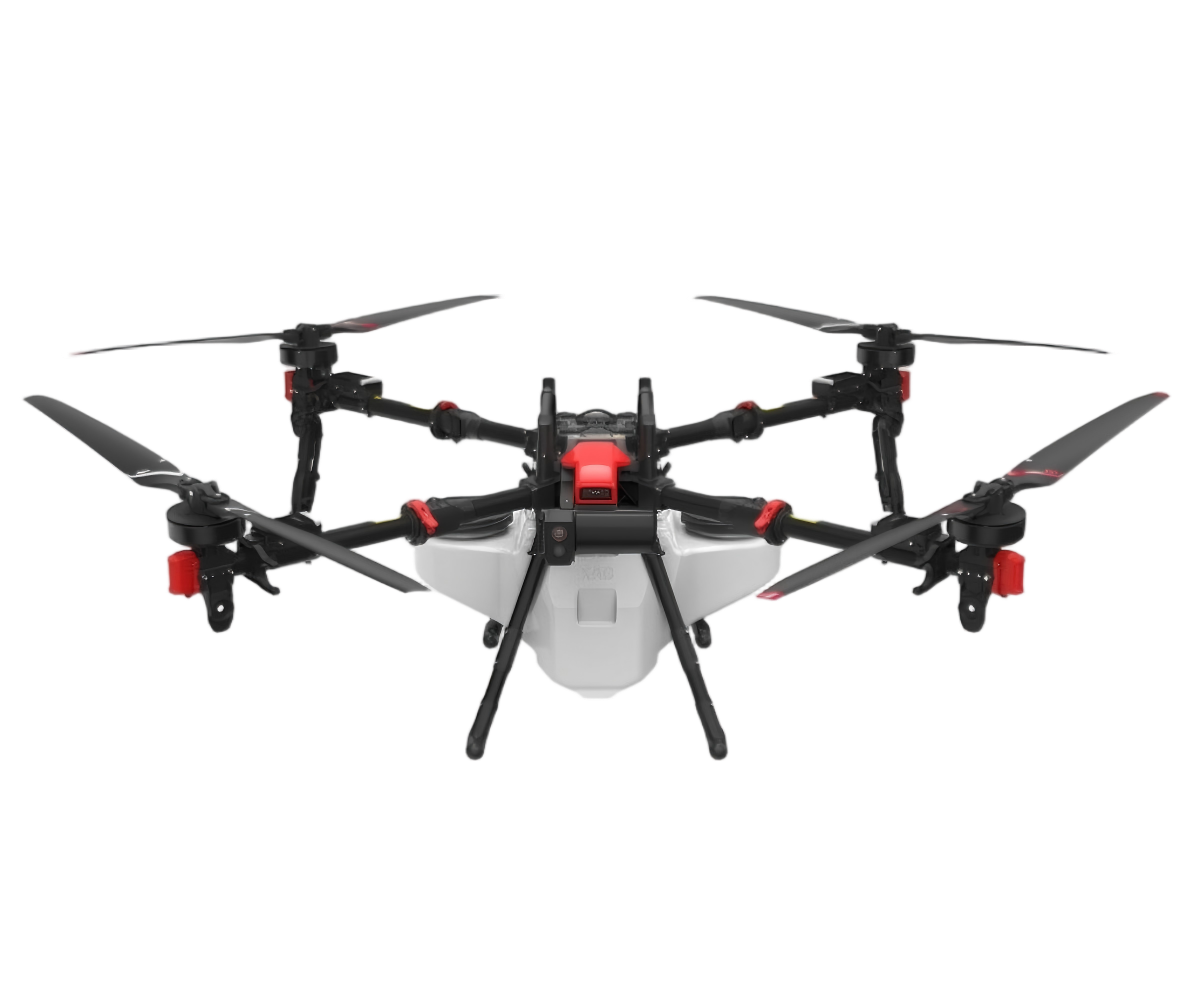 XAG
XAG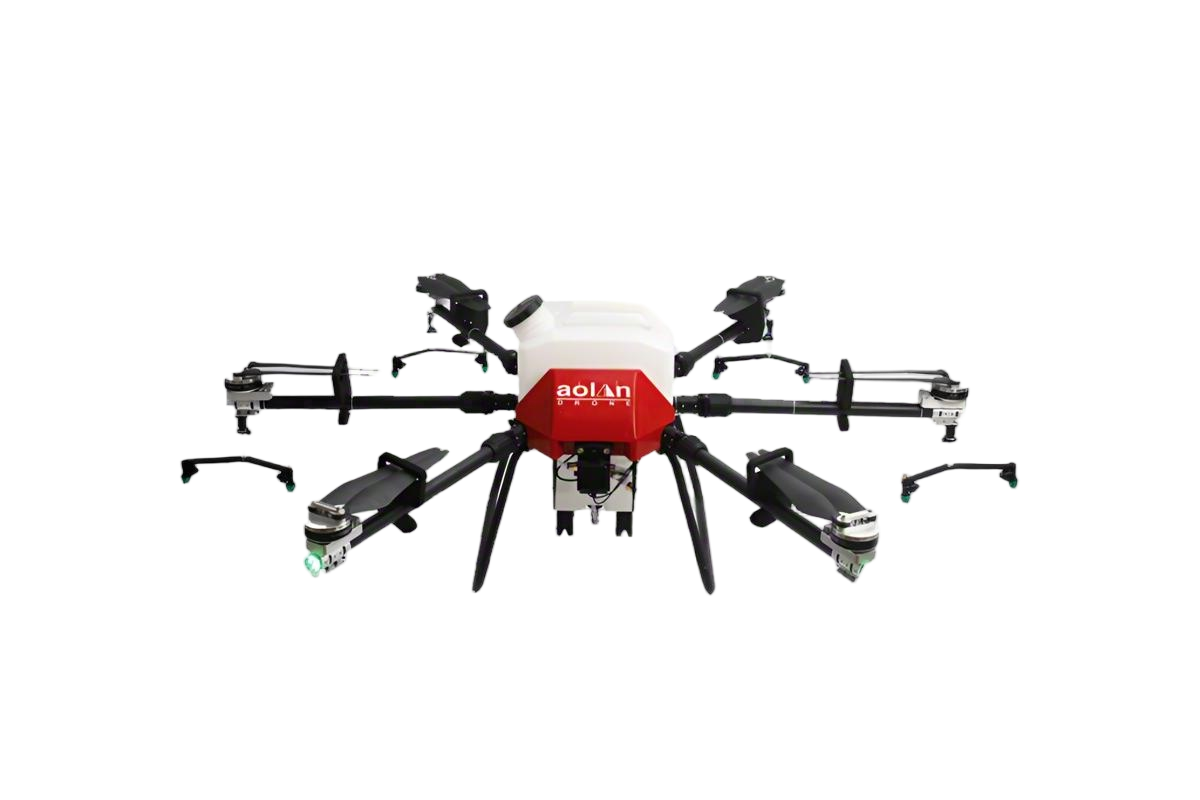 AOLAN
AOLAN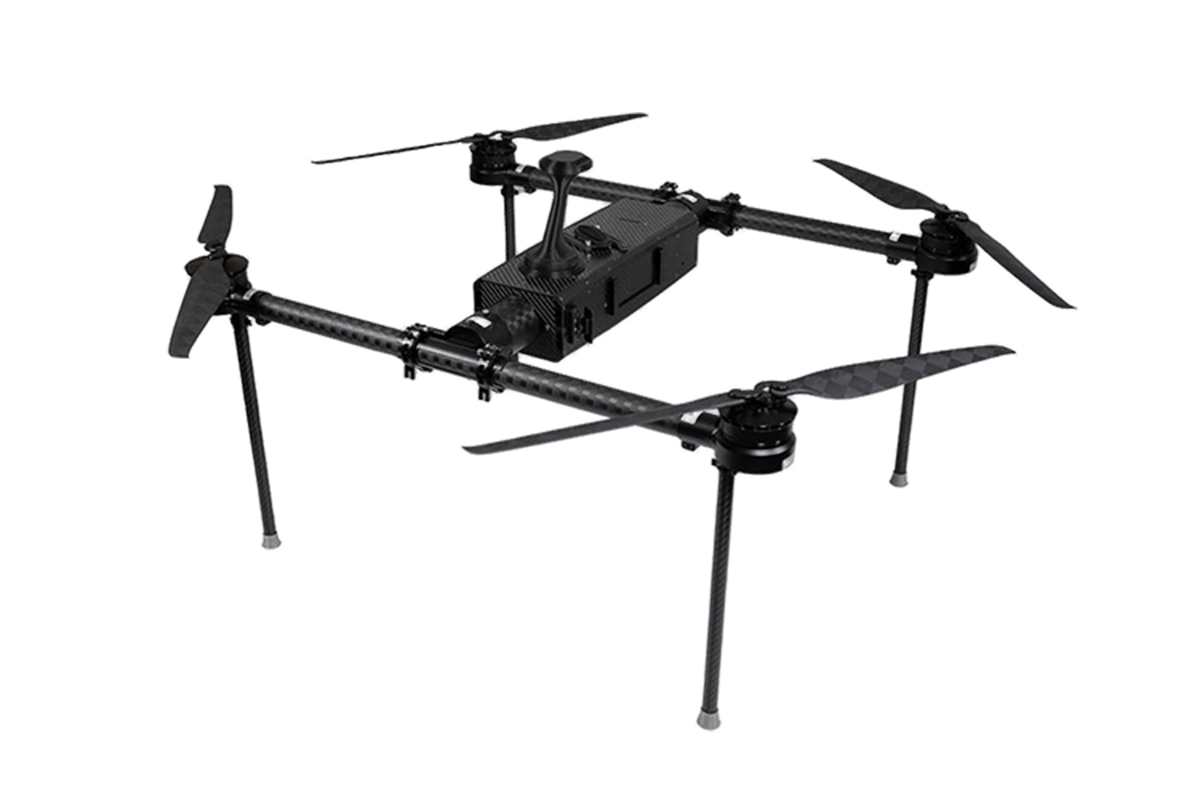 KEEL
KEEL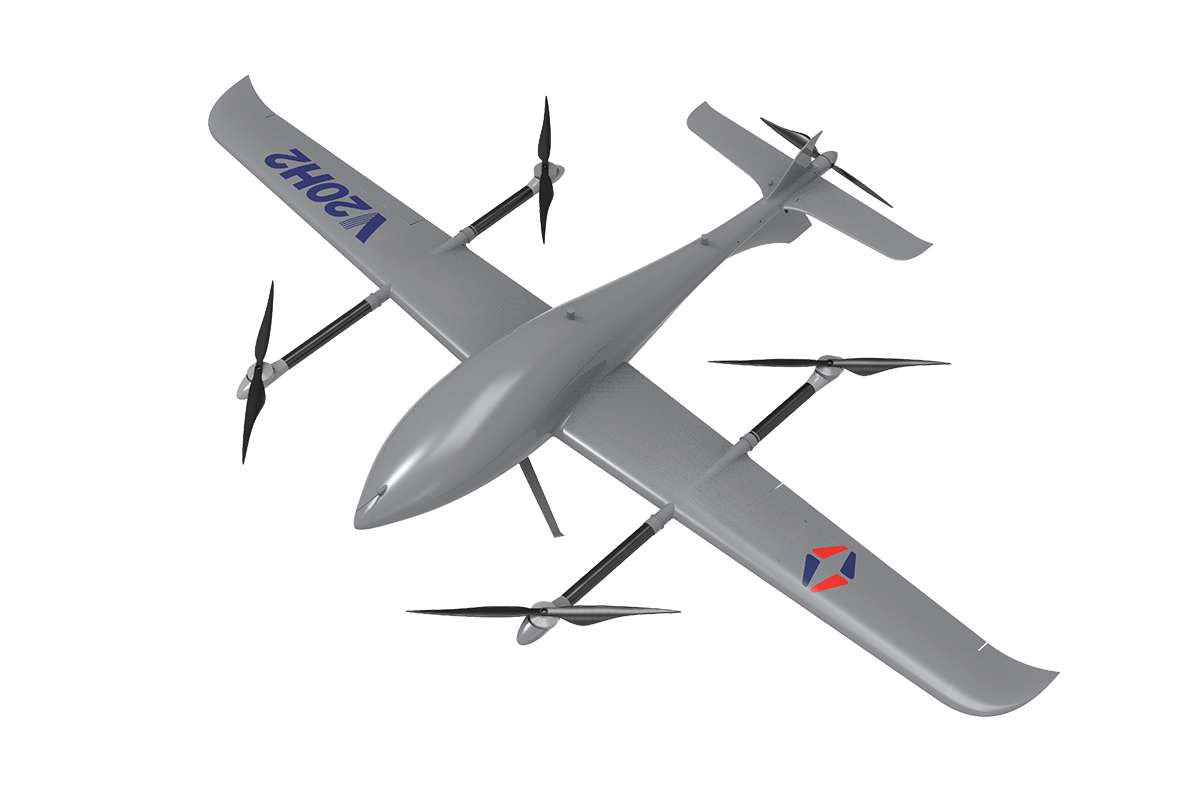 SKY NEXT
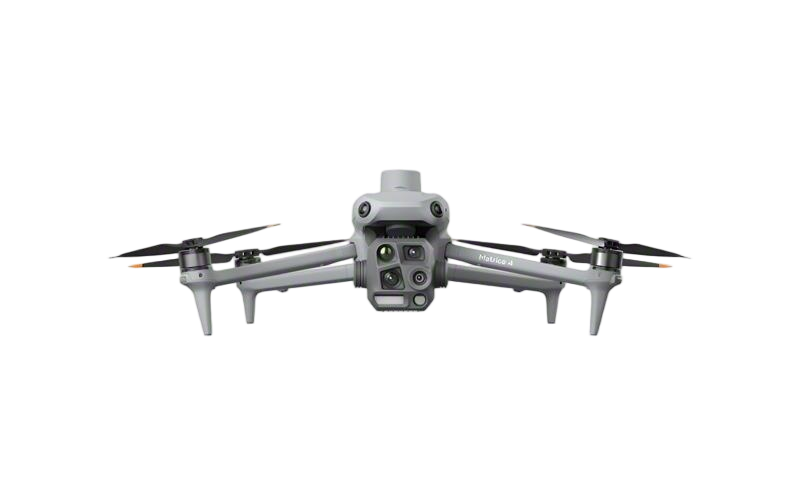
- DJI Matrice-4T
- DJI Matrice 4E Drone
- DJI Matrice 4TD
- DJI Matrice 30T
- DJI Mavic 3 Emterprise
- DJI Mavic 3M Multispectral Drone
- DJI RC 2 Plus Industry Plus
- DJI Matrice 4 Series Battery
- DJI Matrice 4D Series Batteries
- TB65 Intelligent Flight Battery
- TB100 Smart Flight Battery
- WB37 Battery
- DJI Accessories


Custom Power Infrastructure UAV Manufacturers for Optimal Solutions
When it comes to power infrastructure, UAVs are revolutionizing how we manage and inspect our assets. As someone who understands the importance of efficiency and precision, I’ve seen the transformative power of customized UAV solutions from top manufacturers. These drones provide real-time aerial data, helping us identify potential issues before they become costly problems. With tailored configurations, our UAVs can navigate complex environments, delivering unmatched reliability and high-resolution imaging. Whether you need to monitor transmission lines, substations, or remote sites, our UAVs are designed to meet your specific requirements. I know that in the fast-paced world of energy management, making informed decisions quickly is crucial, and that’s where our state-of-the-art technology shines. Partner with us to enhance your power infrastructure strategy and achieve operational excellence with custom UAV solutions tailored just for your needs.


Power Infrastructure Uav Dominates Industry Giant
In an era where power infrastructure relies increasingly on advanced technologies, the use of Unmanned Aerial Vehicles (UAVs) has emerged as a game-changer. These innovative tools are not only streamlining operations but also enhancing efficiency and safety in power sector projects. UAVs equipped with high-resolution cameras and thermal imaging, for instance, allow for precise inspections of transmission lines and substations, minimizing downtime and reducing costs. These technological advancements are proving pivotal, particularly for companies looking to maintain a competitive edge in the global market. As industries face growing pressure to improve safety standards while reducing operational expenses, UAVs stand out as a crucial solution. The ability to conduct aerial surveys and monitor infrastructure from a safe distance mitigates risks associated with traditional inspection methods. Furthermore, UAVs enable real-time data collection, facilitating quicker decision-making processes and more strategic planning. Companies adopting this cutting-edge technology can expect not only improved operational capabilities but also enhanced product reliability that appeals to stakeholders and investors alike. With the global demand for sustainable energy solutions on the rise, companies incorporating UAV technology into their operations will be better positioned to meet such challenges head-on. By enhancing efficiency and optimizing resource allocation, UAVs are poised to play an instrumental role in shaping the future of the power infrastructure industry. As more businesses move towards embracing these innovations, the market stands ready for transformative growth and development.
Power Infrastructure UAV Dominates Industry Giant
| Parameter | Value |
|---|---|
| UAV Type | Fixed-Wing |
| Flight Time | Up to 10 hours |
| Max Range | 150 km |
| Payload Capacity | 25 kg |
| Operating Altitude | 3000 m |
| Camera Resolution | 35 MP |
| Data Transmission | Real-time HD |
| Battery Type | Lithium Polymer |
| Launch Method | Catapult |
| Control System | Autonomous with Manual Override |
Related Products


Power Infrastructure Uav Factory Leads the Global Market
Top Selling Products


- Related Blog
- Reviews
- Reviews
