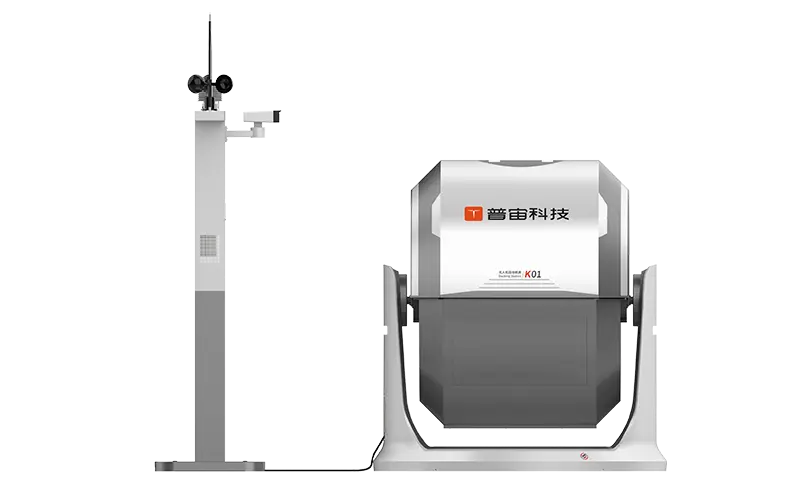
 GDU
GDU
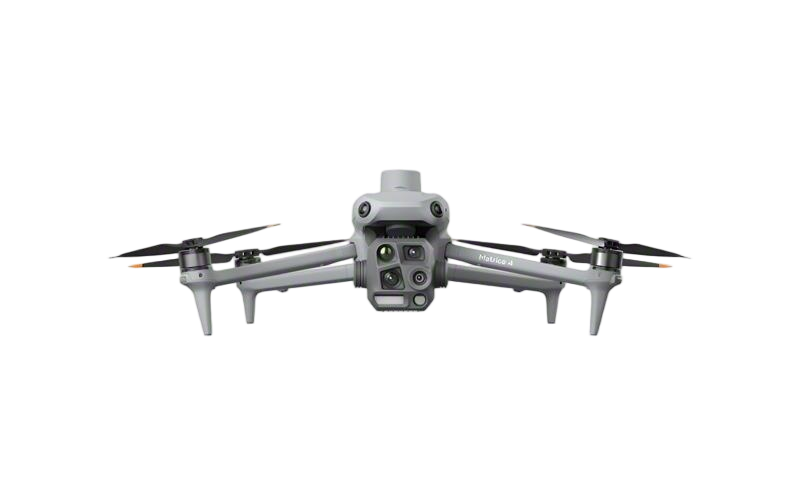 DJI
DJI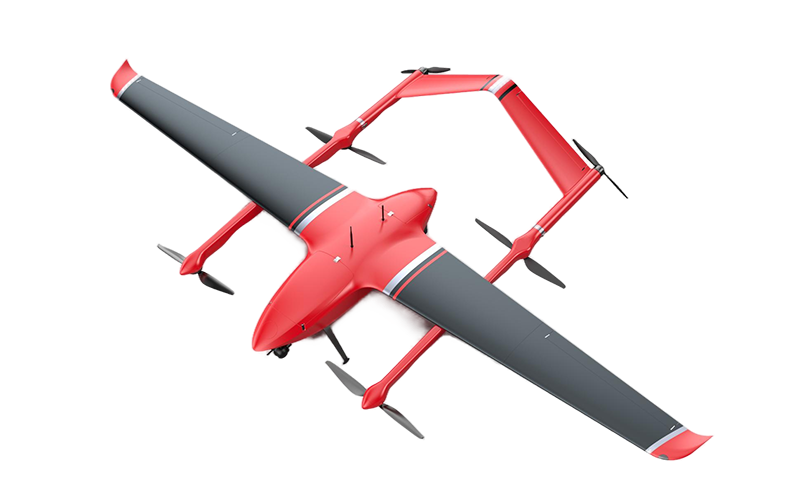 MMC
MMC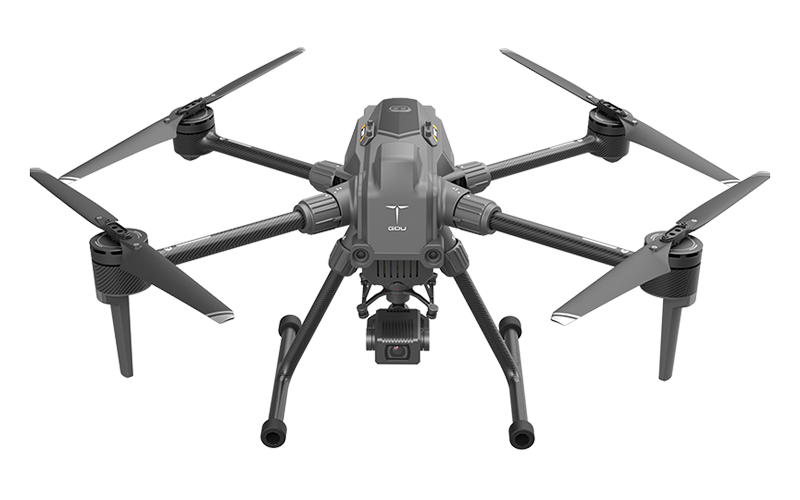 GDU
GDU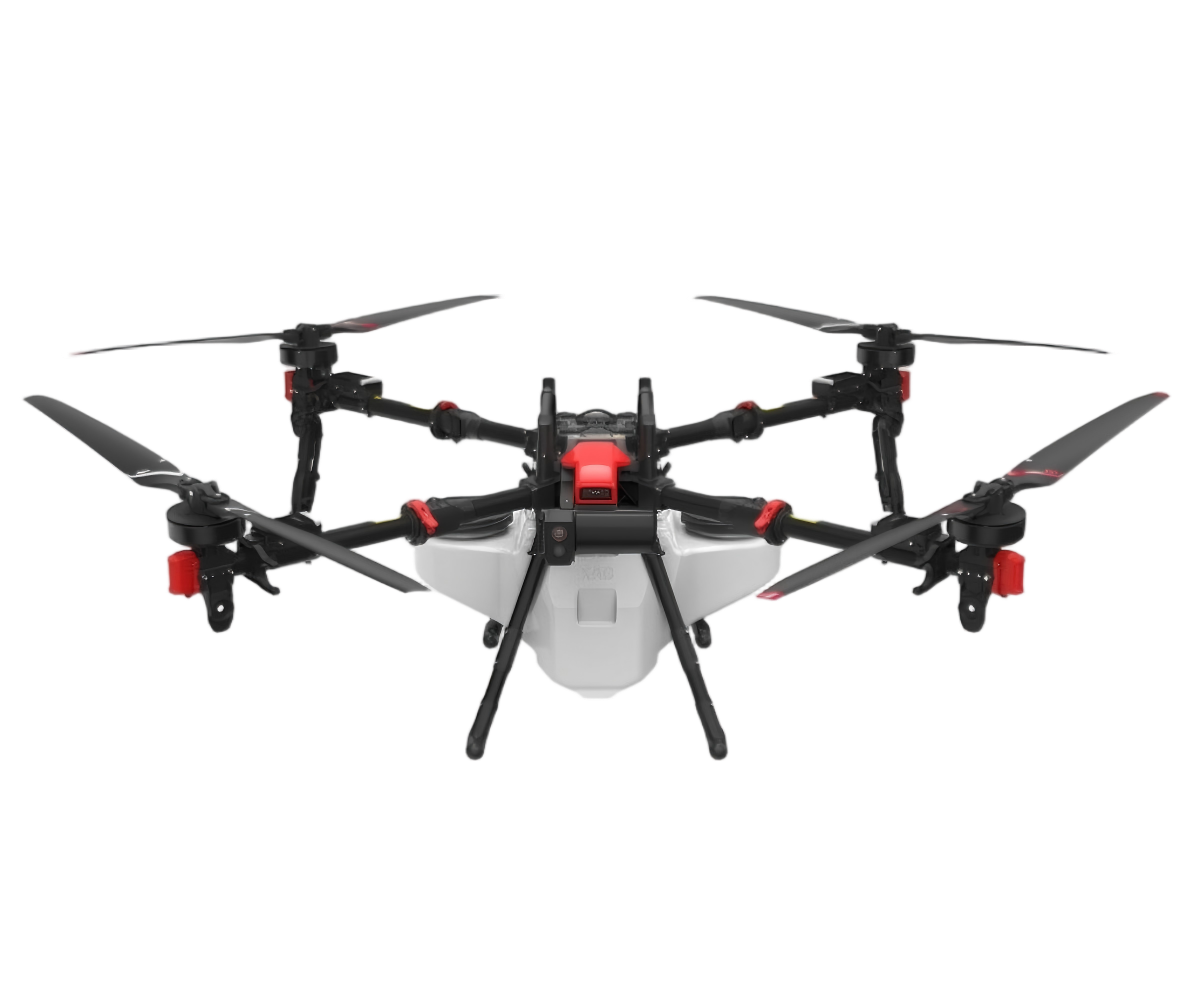 XAG
XAG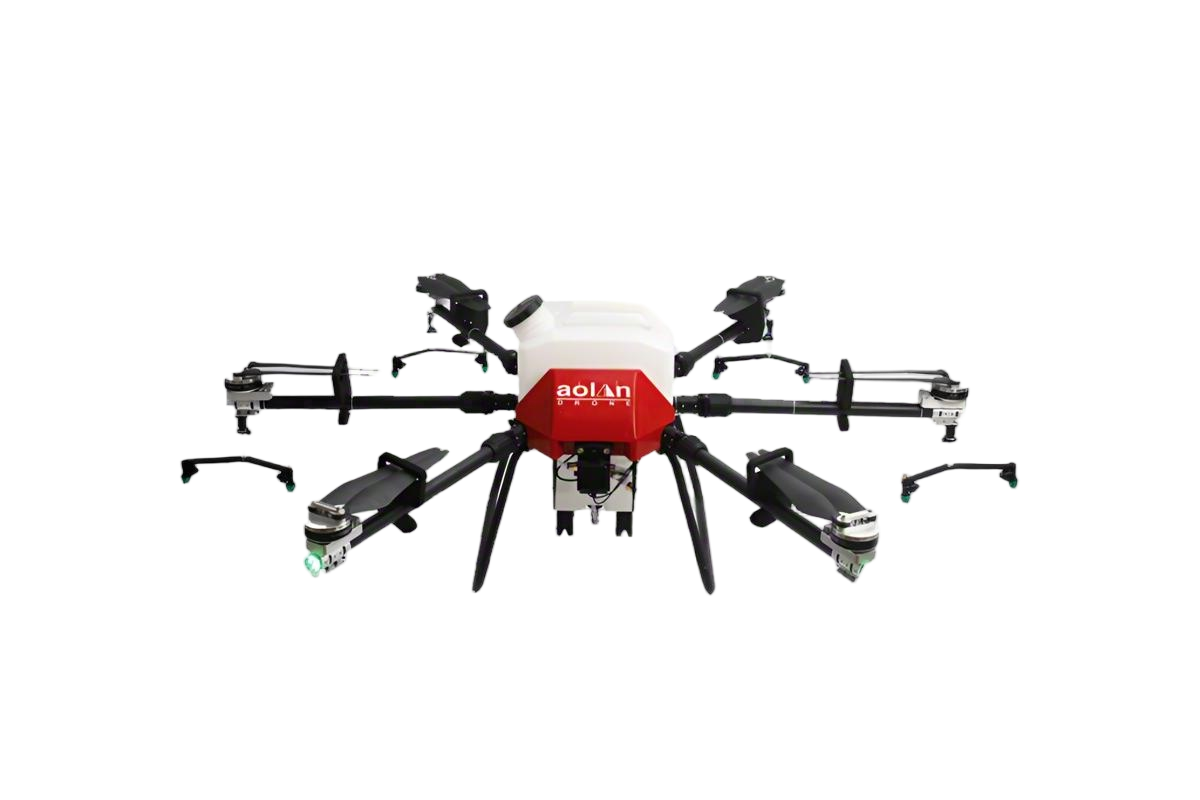 AOLAN
AOLAN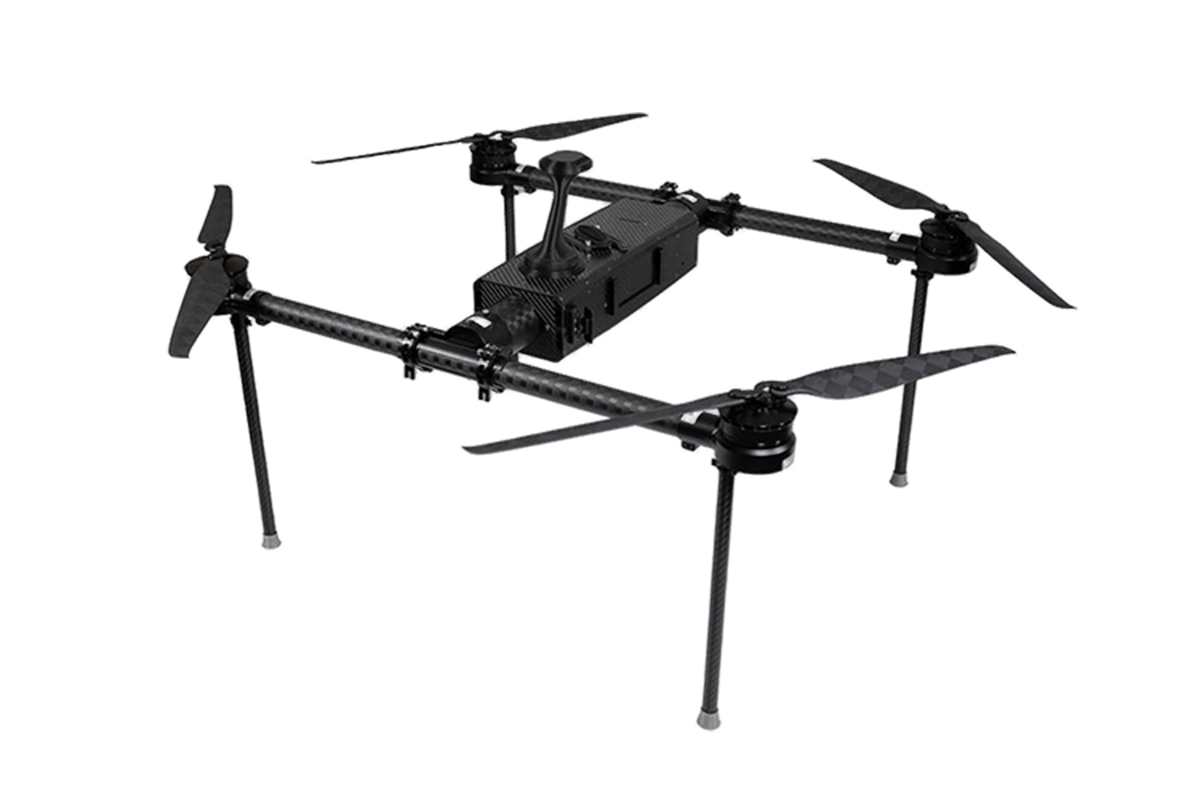 KEEL
KEEL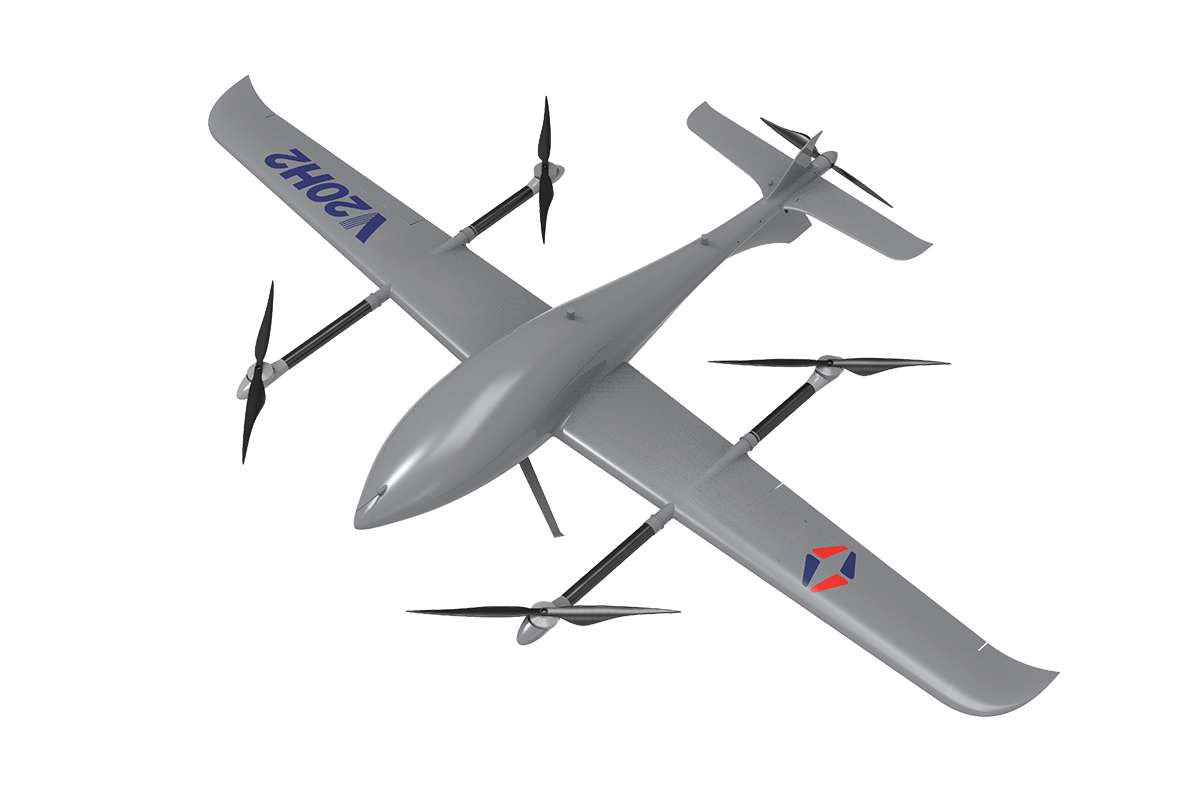 SKY NEXT
- DJI Matrice-4T
- DJI Matrice 4E Drone
- DJI Matrice 4TD
- DJI Matrice 30T
- DJI Mavic 3 Emterprise
- DJI Mavic 3M Multispectral Drone
- DJI RC 2 Plus Industry Plus
- DJI Matrice 4 Series Battery
- DJI Matrice 4D Series Batteries
- TB65 Intelligent Flight Battery
- TB100 Smart Flight Battery
- WB37 Battery
- DJI Accessories


Wholesale Okra Planting Drones from Leading Manufacturer: Explore Options
As a dedicated supplier of innovative agricultural solutions, I’m excited to share our latest offering: Okra Planting Drones designed specifically for wholesale buyers and manufacturers. These drones not only streamline the planting process but also improve crop yields significantly. Equipped with advanced technology, they ensure precise seed placement in hard-to-reach areas, saving time and reducing labor costs. I understand that efficiency and reliability are key for manufacturers, which is why our drones come with user-friendly interfaces and robust support systems. Whether you're looking to enhance your current farming methods or seeking to expand your product line, these drones could be the game-changer you need. Investing in Okra Planting Drones can position your business ahead of the competition, making a substantial impact on your operations. Let’s elevate your agricultural practices together with cutting-edge technology that truly delivers results. Reach out for wholesale pricing and further details on how we can collaborate!


Okra Planting Drones Application Outperforms the Competition
In the rapidly evolving agricultural technology landscape, the application of drones in okra planting is proving to be a game-changer. Innovative solutions now enable farmers to maximize yields while minimizing resource use, and recent advancements in drone technology are at the forefront of this revolution. Drones equipped with precision agriculture capabilities are capable of mapping fields, assessing soil health, and optimizing planting strategies. This not only enhances efficiency in the planting process but also ensures that crops receive the precise amount of water and nutrients they need. By utilizing this cutting-edge technology, farmers can significantly outperform traditional methods. The ability to quickly analyze large areas of farmland allows for more informed decision-making, leading to improved crop outcomes and ultimately higher profitability. Additionally, the automated nature of drones decreases labor costs and reduces the physical strain on farmworkers, contributing to a more sustainable farming practice. As global demand for okra continues to rise, incorporating drone technology into cultivation practices provides a distinct competitive advantage, ensuring that businesses can meet consumer needs effectively and efficiently. As the agricultural sector increasingly leans towards technological integration, the potential for drone applications to transform okra farming is immense. Breaking away from conventional practices opens doors to innovative solutions that align with the needs of a modern marketplace. Embracing this technology not only enhances productivity but also positions businesses at the forefront of the competitive landscape, ready to meet the challenges of a growing global demand for quality produce.
Okra Planting Drones Application Outperforms the Competition
| Drone Model | Planting Accuracy (%) | Coverage Area (ha/h) | Flight Time (min) | GPS Precision (m) |
|---|---|---|---|---|
| Model A1 | 95 | 10 | 25 | 2 |
| Model B2 | 90 | 8 | 30 | 3 |
| Model C3 | 85 | 12 | 28 | 5 |
| Model D4 | 88 | 15 | 20 | 4 |
| Model E5 | 92 | 11 | 22 | 3 |
Related Products


Okra Planting Drones Industry Leaders Manufacturers You Can Rely On
Top Selling Products


- Related Blog
- Reviews
- Reviews
