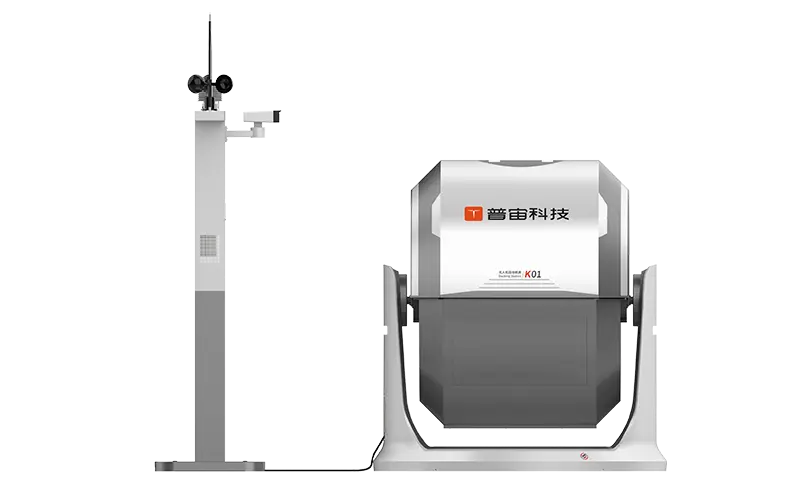
 GDU
GDU
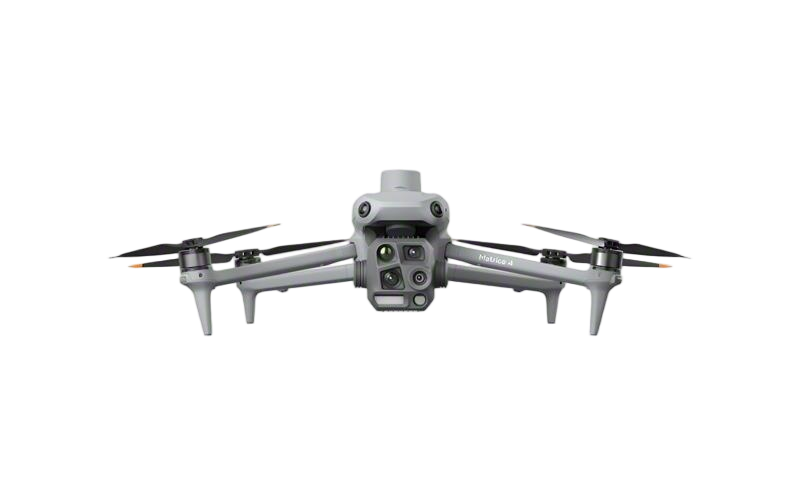 DJI
DJI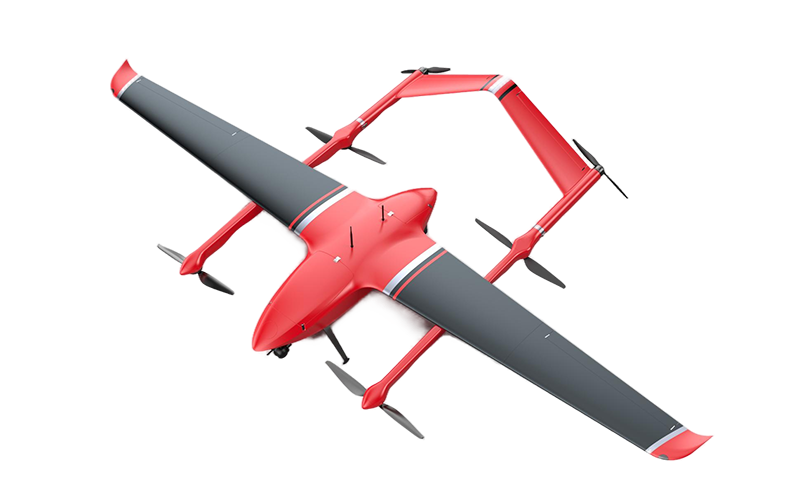 MMC
MMC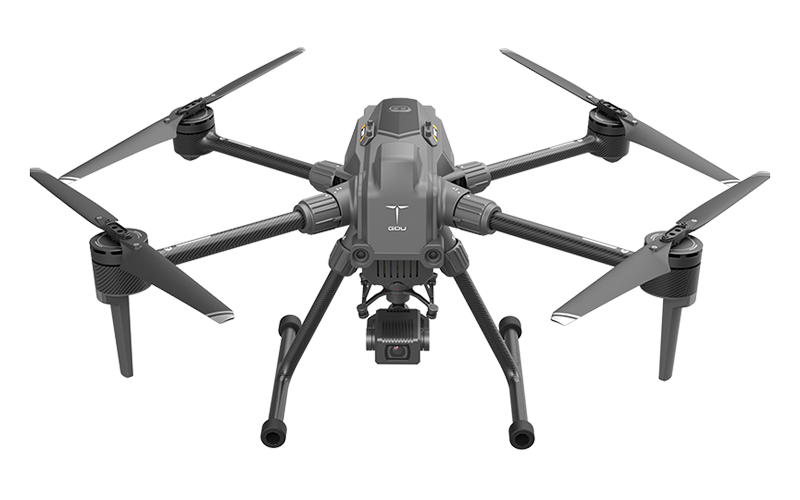 GDU
GDU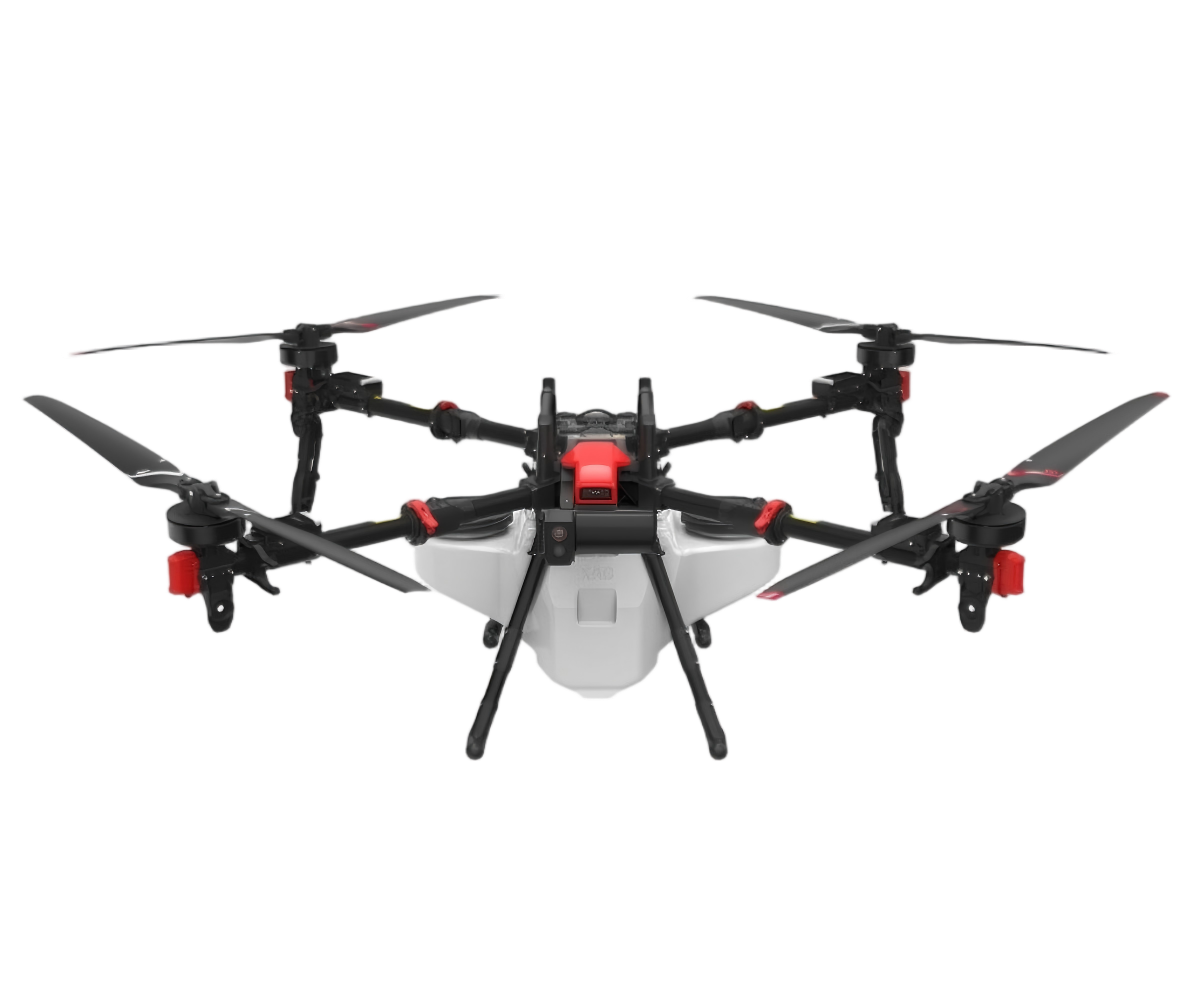 XAG
XAG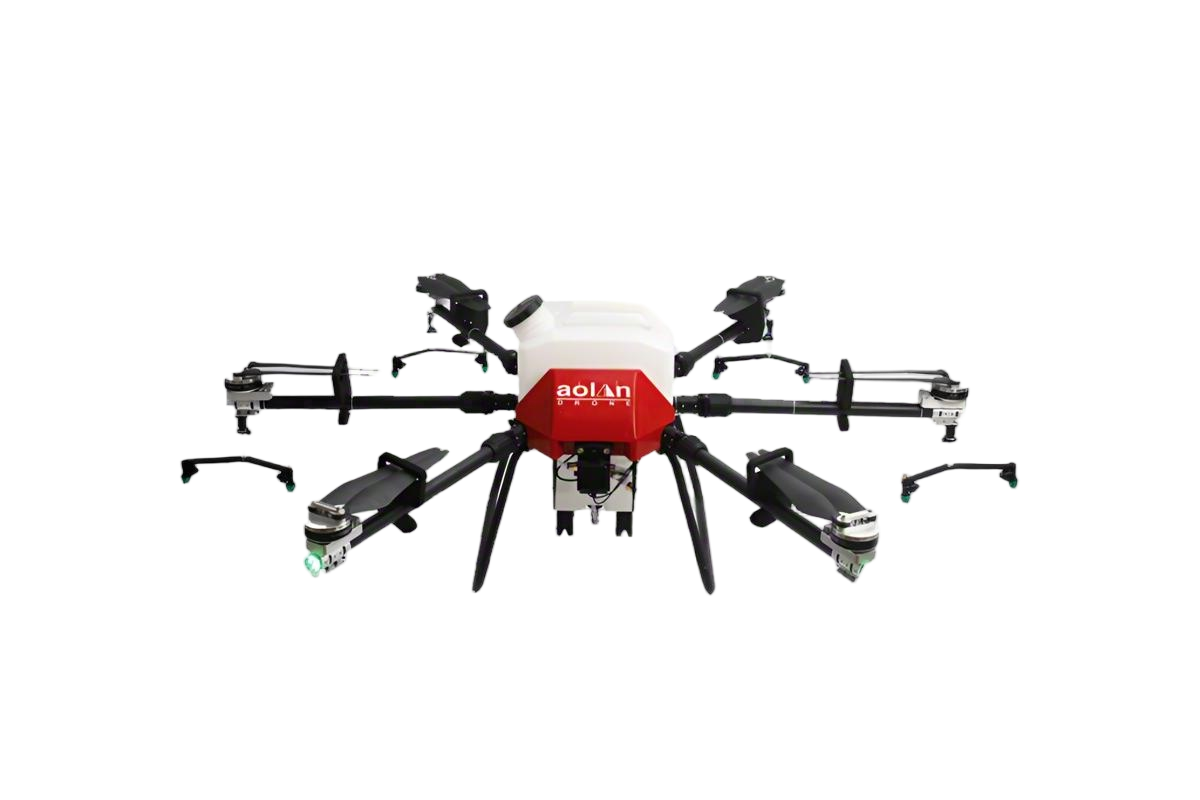 AOLAN
AOLAN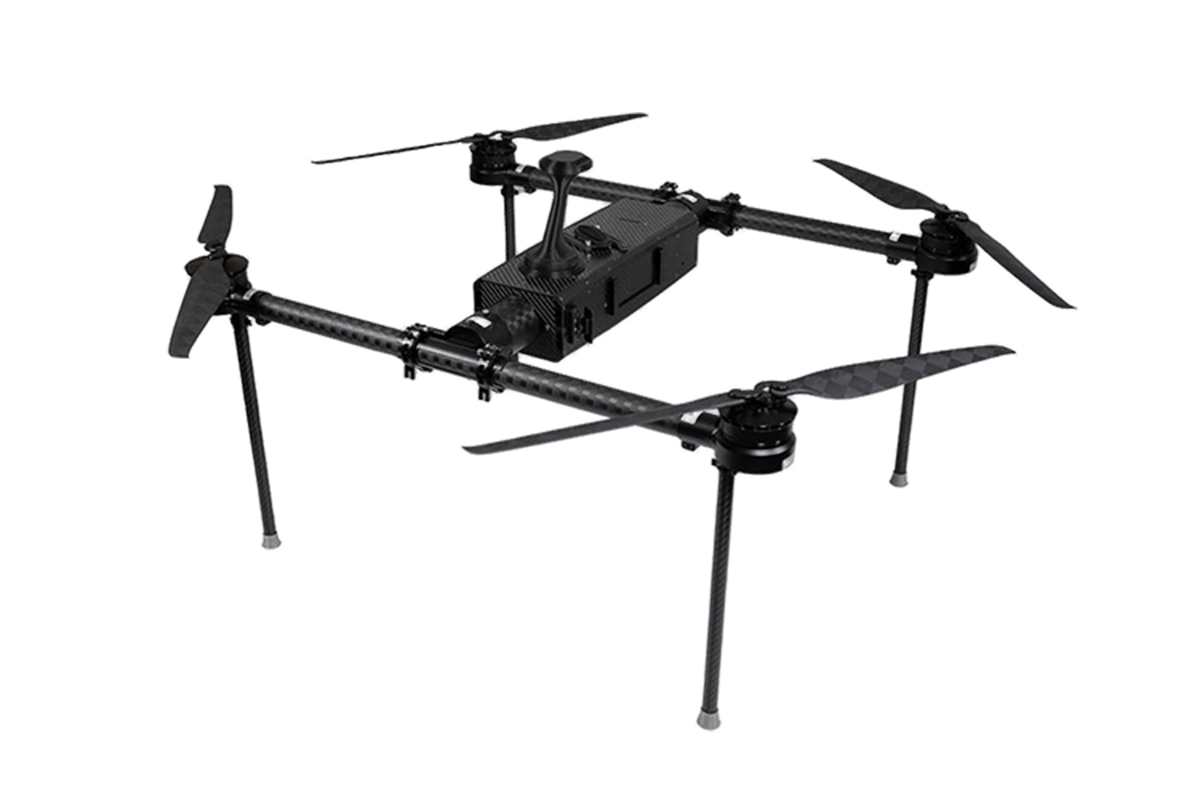 KEEL
KEEL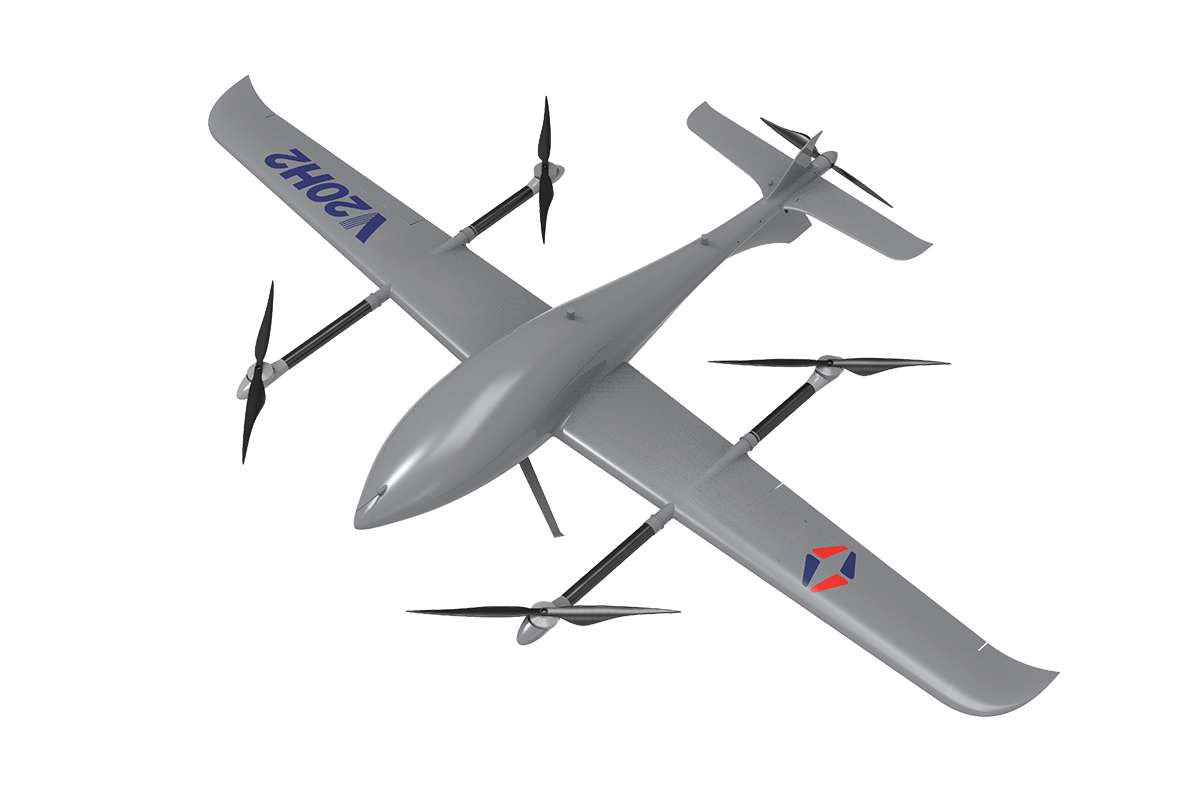 SKY NEXT
- DJI Matrice-4T
- DJI Matrice 4E Drone
- DJI Matrice 4TD
- DJI Matrice 30T
- DJI Mavic 3 Emterprise
- DJI Mavic 3M Multispectral Drone
- DJI RC 2 Plus Industry Plus
- DJI Matrice 4 Series Battery
- DJI Matrice 4D Series Batteries
- TB65 Intelligent Flight Battery
- TB100 Smart Flight Battery
- WB37 Battery
- DJI Accessories

EH216-S Uncrewed Passenger Aircraft
EH216-S
The world's first commercially operational uncrewed passenger aircraft

EH216-S
The world's first commercially operational uncrewed passenger aircraft
Elevate Mobility with Technology
Efficiency Meets Convenience — Unlock a Smoother, Premium Flight Experience
Learn More >>

Elevate Mobility with Technology
Efficiency Meets Convenience — Unlock a Smoother, Premium Flight Experience
Learn More >>
Peak Safety, Perfected
Safeguarding Every Leg of Your Flight

Peak Safety, Perfected
Safeguarding Every Leg of Your Flight
Why Professionals Choose EH216-S ?

Industry-Leading Commercial Certification
As the world’s first uncrewed passenger aircraft certified for commercial operations (e.g., CAAC airworthiness approval), the EH216-S enables legal, scalable commercial deployment—eliminating compliance barriers for professional operators.
Full-Redundancy Safety Architecture
Equipped with a fully redundant power, flight control, and sensing system, it automatically switches to backup modules in case of faults, delivering 99.99%+ flight safety reliability critical for professional air mobility services.
Runway-Free High-Operational Efficiency
Its vertical takeoff/landing (VTOL) design removes reliance on runways, enabling quick turnaround (≤15 mins per flight) and flexible deployment—boosting daily operational capacity for urban transit or tourism operators.
Versatile Multi-Scenario Adaptability

Pre-Planned Routes, Autonomous Flight
Unstoppable Across Rivers, Steadfast Through Harsh Weather
The EH216-S enables seamless river-crossing transit and maintains stable, safe operations even in adverse weather conditions, safeguarding uninterrupted service for commercial urban air mobility and cross-water scenic routes.
Boundless Flight, City-Wide Reach
Explore Urban Skylines Seamlessly with the EH216-S

Vertical Takeoff & Landing Swift and Efficient

Green Power, Smart Safety
Specs of EH216-S
| Specification | Details |
| Type | Autonomous passenger electric Vertical Takeoff and Landing (eVTOL) multicopter |
| Certifications | Global first to obtain CAAC Type Certificate (TC), Airworthiness Certificate (AC), Production Certificate (PC), and Operational Certificate (OC) for crewless passenger eVTOLs |
| Length | 6.05 m |
| Width |
5.73 m |
| Height | 1.93 m |
| Folding Capability | Foldable arms (for compact storage/transport) |
| Max Speed | 130 km/h |
| Cruise Speed | 90 km/h |
| Max Range | 30 km (standard lithium-ion battery) | ~48 km (high-energy solid-state battery, 2024 test version) |
| Flight Time | 25 mins (standard battery) | 48+ mins (solid-state battery) |
| Max Operating Altitude | 200 m (AGL) / 3,000 m (MSL) |
| Capacity | 2 passengers (max payload: 220 kg) |
| Propulsion | 16 electric motors (EHM13850KV33) + 16 carbon fiber propellers (1.575 m diameter) |
| Power Source | All-electric (standard battery: S01-28000-000, 252 Ah; solid-state battery option: 480 Wh/kg energy density) |
| Charging Time | ≤ 120 mins (standard battery) |
| Redundancy | Full-redundant flight control, power, and sensing systems (backup modules activate seamlessly in faults) |
| Navigation | GNSS precise positioning + intelligent autonomous route planning |
| Safety Systems | Fail-Safe monitoring (auto-diverts to emergency landing if anomalies detected) |
Adaptation product

Public Safety

Power Line Inspection

Geographic Information

Oil and Natural Gas

Renewable Energy

Water Conservation

Maritime


