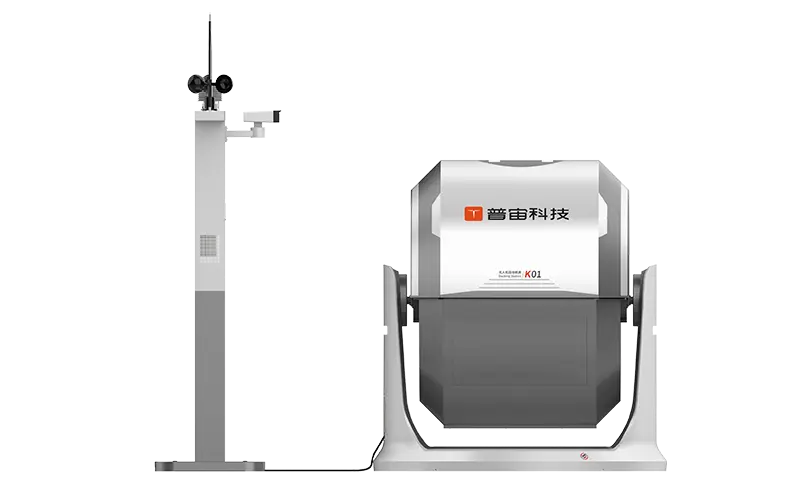
 GDU
GDU
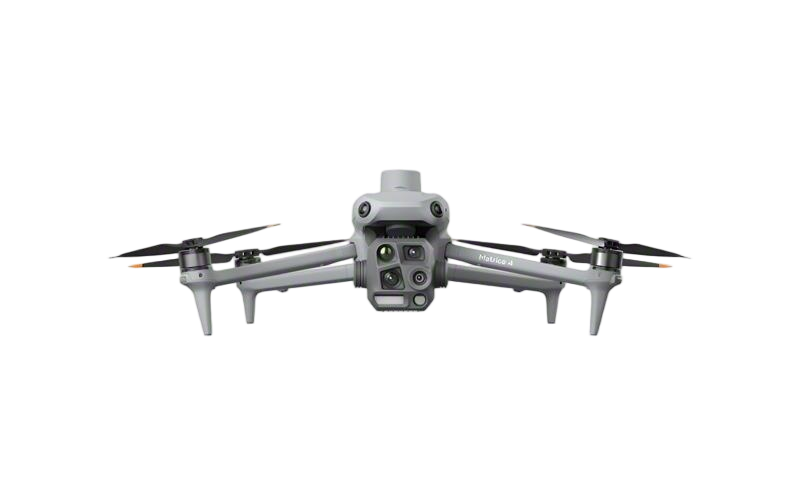 DJI
DJI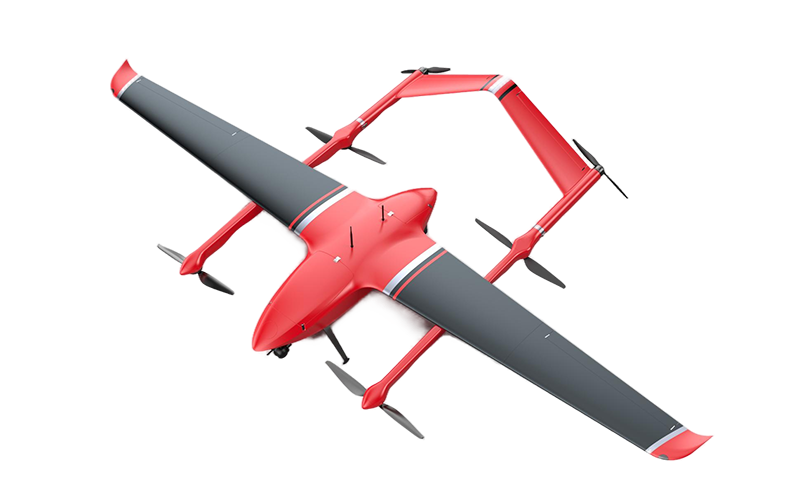 MMC
MMC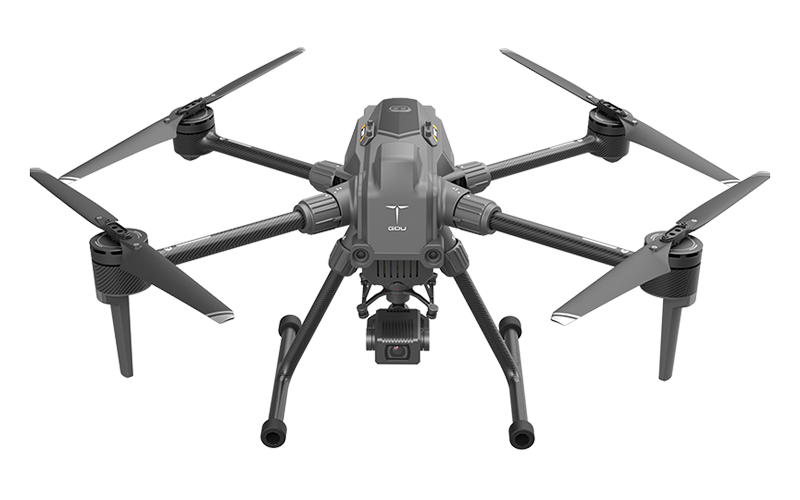 GDU
GDU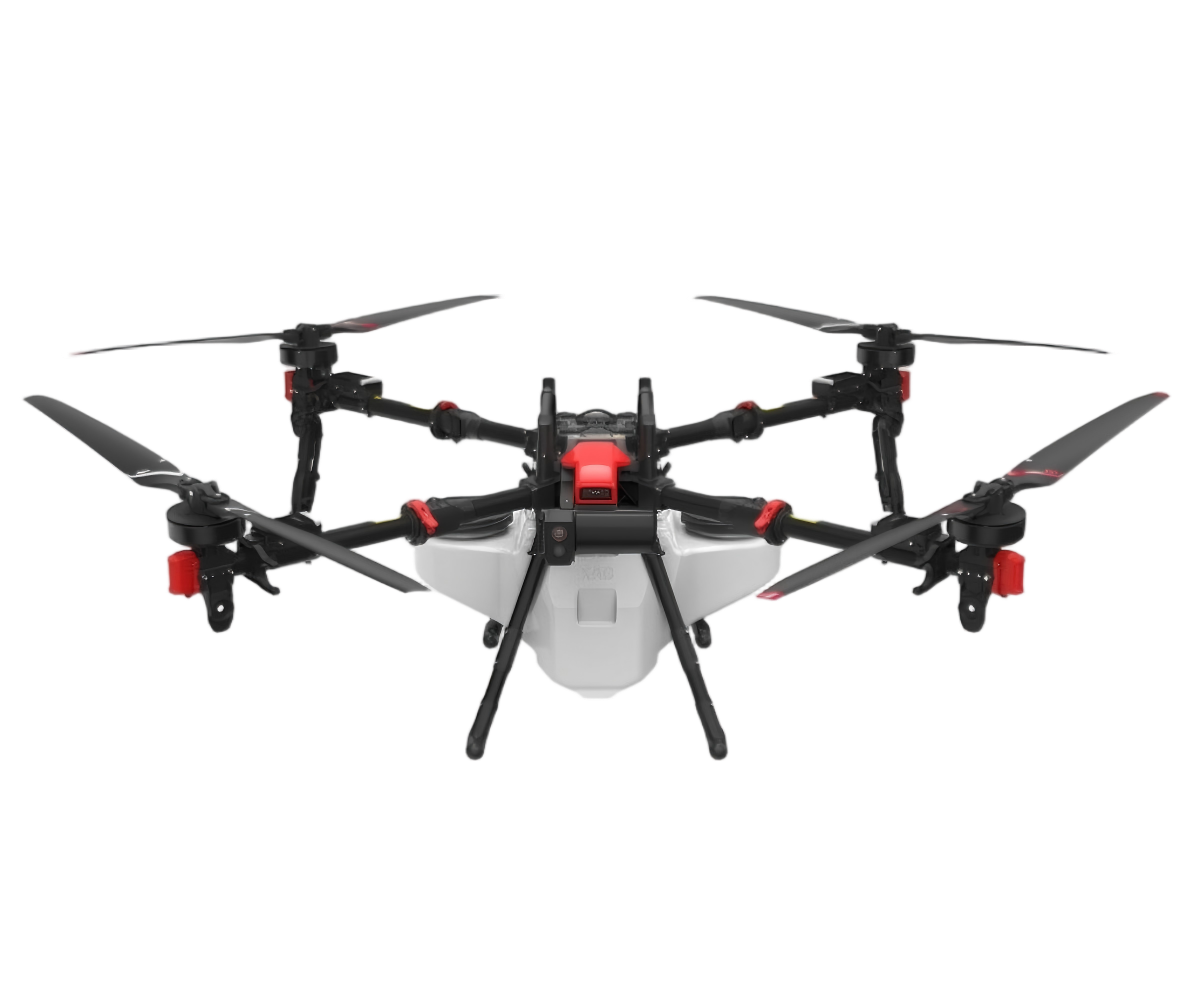 XAG
XAG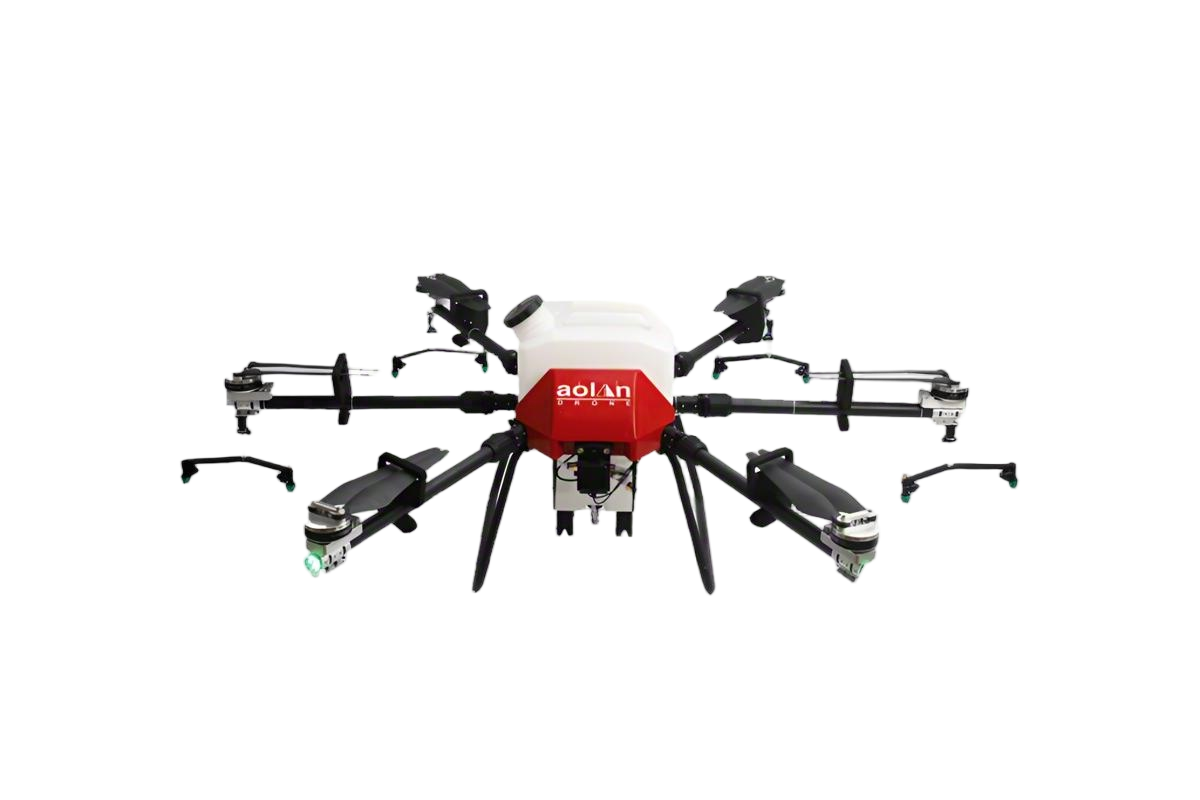 AOLAN
AOLAN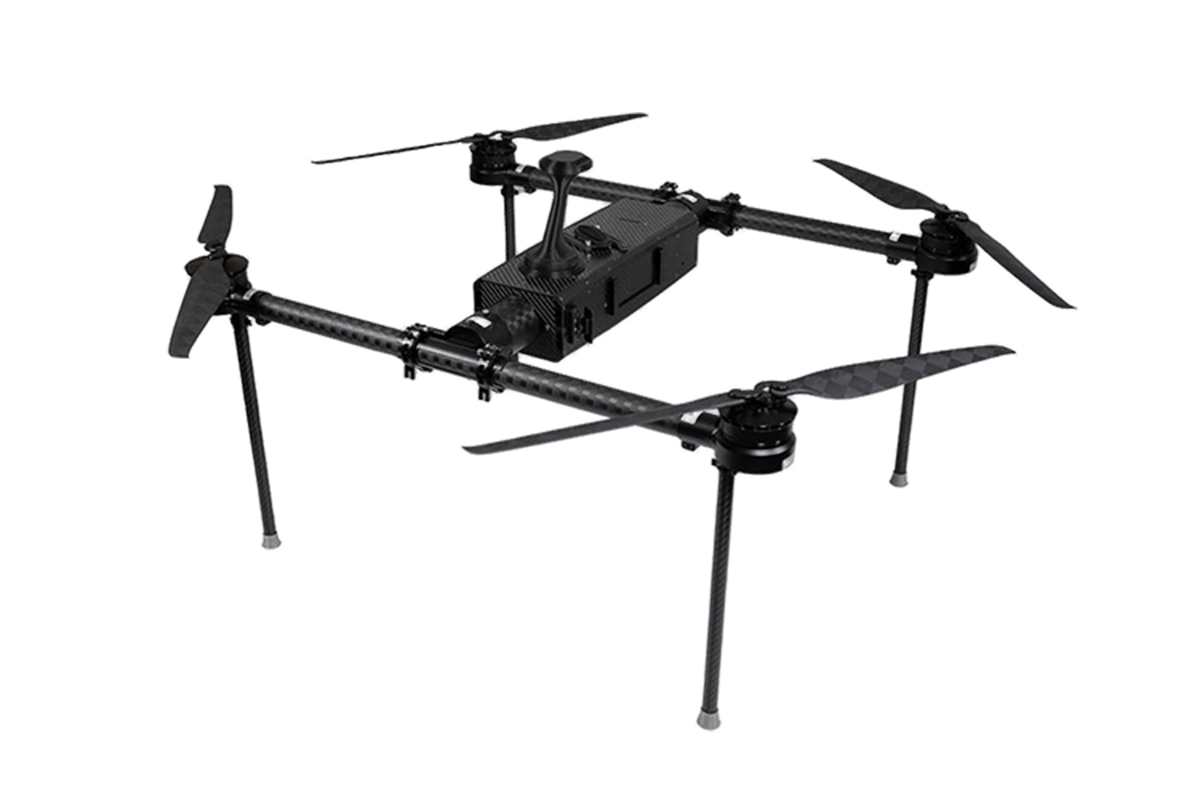 KEEL
KEEL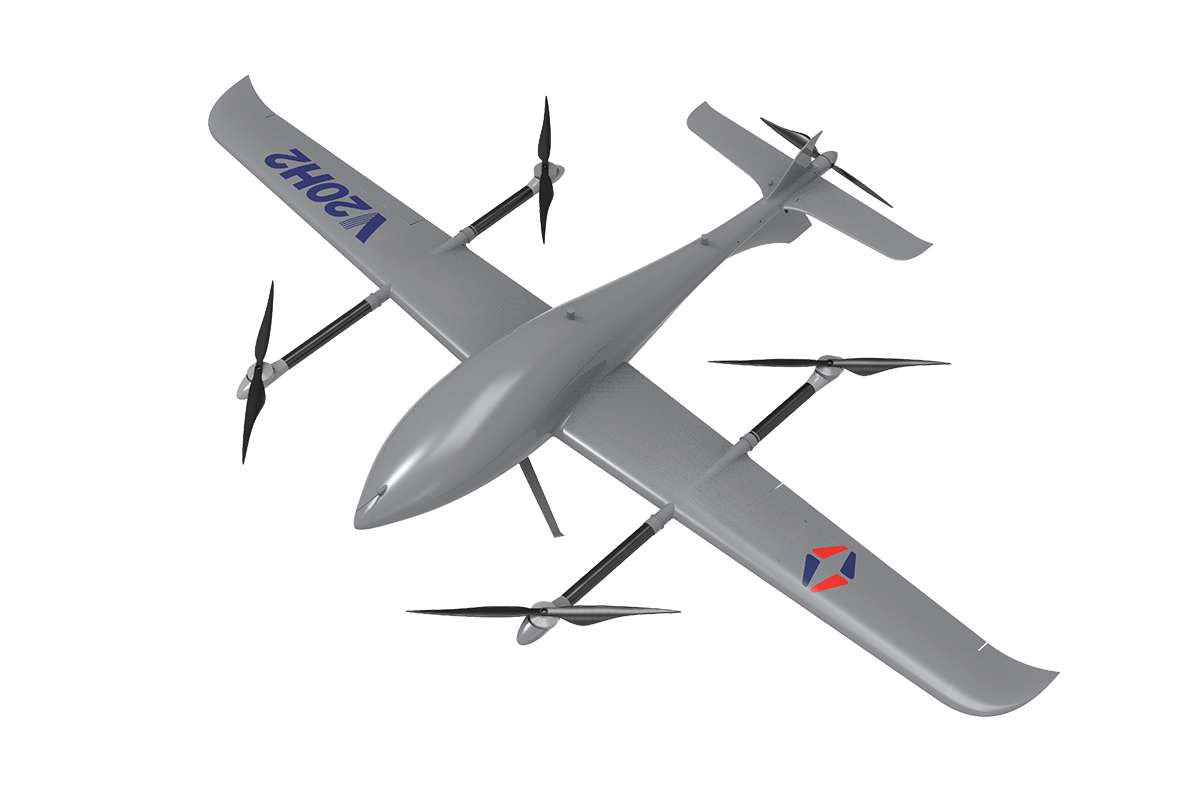 SKY NEXT
- DJI Matrice-4T
- DJI Matrice 4E Drone
- DJI Matrice 4TD
- DJI Matrice 30T
- DJI Mavic 3 Emterprise
- DJI Mavic 3M Multispectral Drone
- DJI RC 2 Plus Industry Plus
- DJI Matrice 4 Series Battery
- DJI Matrice 4D Series Batteries
- TB65 Intelligent Flight Battery
- TB100 Smart Flight Battery
- WB37 Battery
- DJI Accessories


Wholesale Drones for Pest Damage - Top Manufacturer Solutions
As a business operating in the agricultural sector, I know firsthand how crucial it is to protect crops from pest damage. That’s why I’ve turned to drones designed specifically for pest control. These advanced tools help identify and target infestations efficiently, saving time and resources. Whether you’re a wholesaler looking to stock cutting-edge technology or a manufacturer interested in integrating innovative solutions into your product line, these drones are a game-changer. Their high-resolution cameras and precision capabilities allow for precise application of pest control measures, reducing chemical use and minimizing environmental impact. Plus, the ease of use means that even those with limited drone experience can operate them effectively. Investing in drones for pest damage not only enhances crop health but also gives your business a competitive edge. Let’s improve pest management together and pave the way for sustainable agriculture.


Drones For Pest Damage Pioneers in the Field Your End-to-End Solution
In today's rapidly evolving agricultural landscape, the integration of technology is revolutionizing pest management. Drones have emerged as a groundbreaking solution for monitoring and controlling pest damage, offering farmers unprecedented insights and capabilities. With their ability to cover vast areas quickly, drones allow for precise identification of pest-infested regions, enabling timely interventions that minimize crop loss and enhance yield. This end-to-end solution not only improves efficiency but also reduces the need for excessive pesticide use, aligning with sustainable farming practices. By harnessing the power of aerial data, farmers can access detailed visuals and analytics that help them make informed decisions. The use of drones for pest management also streamlines communication and collaboration among agricultural teams, ensuring that actions are coordinated and effective. As businesses increasingly seek to optimize their pest control strategies, embracing drone technology represents a forward-thinking approach that addresses both productivity and environmental concerns. In addition to efficiency and sustainability, these advanced pest management systems drive cost savings and improve return on investment. As farmers worldwide recognize the advantages of incorporating drones into their operations, the future of agriculture looks poised for innovation and growth. Investing in this technology is not just a response to current challenges; it is a proactive step toward ensuring the resilience and sustainability of global food systems.
Drones For Pest Damage Pioneers in the Field Your End-to-End Solution
| Drone Model | Payload Capacity (kg) | Flight Time (minutes) | Coverage Area (hectares) | Features |
|---|---|---|---|---|
| Model A | 5 | 25 | 10 | Real-time imaging, GPS tracking |
| Model B | 7 | 30 | 12 | Autonomous operation, high-definition camera |
| Model C | 10 | 40 | 15 | Multi-spectral sensors, data analytics |
| Model D | 6 | 35 | 11 | Obstacle avoidance, user-friendly controls |
Related Products


Drones For Pest Damage Factory Industry Leaders
Top Selling Products


- Related Blog
- Reviews
- Reviews
