0%

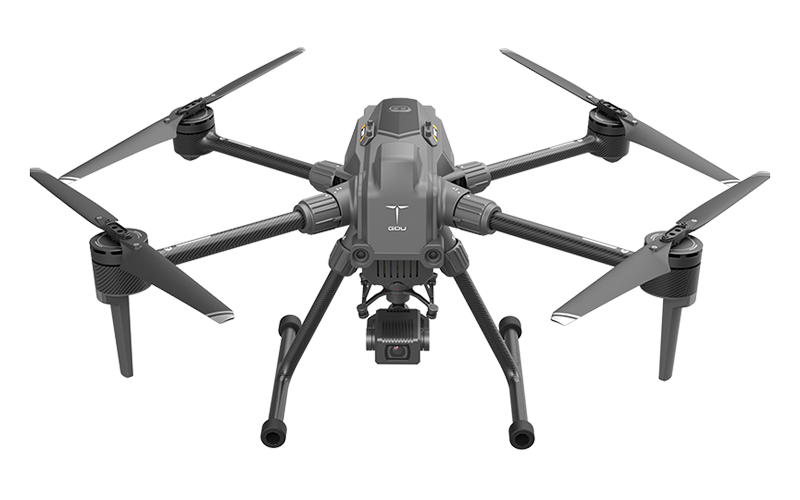
Lately, technology has really shaken up the way we handle building maintenance. You’ve probably heard about Inspection Drones—they’re turning out to be a game changer when it comes to making things safer and more efficient. These little drones give maintenance crews a handy way to check out those tricky spots that are usually hard to reach—no need to hang off the edge of a building anymore. Looking ahead to 2025, it feels like drones are going to become a standard part of routine inspections. That’s great news because it’ll not only cut down on risks for people but also boost productivity all around.

What’s really cool about Inspection Drones is they do more than just fly around and look. They can send back high-res images and live data in real-time, so assessments are way more accurate. Plus, with this tech, maintenance teams can spot issues early — way before they turn into costly problems. This makes the whole process more streamlined and helps organizations save money while keeping their buildings in tip-top shape.

When you think about where this is headed, it’s pretty clear that embracing these high-tech tools is the way forward for building maintenance. Companies that jump on board with drones will be leading the charge into a safer, more efficient future. With all these exciting changes coming up, it’s clear that 2025 and beyond will look pretty different from how we did maintenance before. It’s a brave new world, and I, for one, am pretty excited about it.

2025 How to Use Inspection Drones for Efficient Building Maintenance

Benefits of Using Inspection Drones in Building Maintenance

The integration of inspection drones into building maintenance has revolutionized the way property managers oversee and maintain structures. One of the primary benefits of using these drones is their ability to access hard-to-reach areas quickly and safely. With high-resolution cameras and advanced imaging technology, drones can capture detailed images and videos of roofs, facades, and other elevated sections, enabling maintenance teams to assess conditions without the risks associated with ladders or scaffolding. This not only enhances safety but also significantly reduces the time needed for inspections.

Another significant advantage lies in the cost-effectiveness of drone inspections. Traditional methods often involve extensive labor costs and prolonged downtime, while drones streamline the process, providing real-time data and analytics. By identifying potential issues early, such as leaks or structural damage, property managers can address maintenance needs before they escalate into costly repairs. Furthermore, the data collected by inspection drones can be stored and analyzed over time, building a comprehensive maintenance history that aids in long-term planning and decision-making. This proactive approach ensures that building maintenance is more efficient, ultimately leading to improved asset management.

Overview of Drone Technology in the Construction Industry

The construction industry has increasingly embraced drone technology, revolutionizing the way building inspections and maintenance tasks are performed. Drones equipped with high-resolution cameras and advanced sensors provide a comprehensive solution for monitoring conditions and identifying potential issues in real-time. This technological advancement allows for a more detailed overview of building structures, including roofs, facades, and hard-to-reach areas that would otherwise require extensive scaffolding or manual inspections.

Furthermore, the use of drones enhances safety and efficiency within construction projects. By minimizing the need for workers to access hazardous locations, the risk of accidents decreases significantly. Drones can quickly cover large areas, capturing data that is then analyzed to detect maintenance needs before they escalate into costly repairs. This proactive approach not only streamlines maintenance operations but also helps in budgeting, planning, and ensuring compliance with safety standards in building upkeep. As the construction sector continues to evolve, integrating drone technology will play a crucial role in enhancing operational efficiencies and fostering innovative practices in building maintenance.

Key Features of Inspection Drones for Effective Maintenance

2025 How to Use Inspection Drones for Efficient Building Maintenance

Inspection drones have revolutionized the way building maintenance is conducted, offering a range of features that enhance efficiency and safety. One key feature of these drones is their high-resolution cameras, which provide detailed imagery of building exteriors and hard-to-reach areas. This capability allows maintenance teams to identify issues such as cracks, water damage, or structural weaknesses without the need for scaffolding or ladders. High-definition video feeds can also be transmitted in real-time, enabling immediate assessments and swift decision-making.

Another important aspect of inspection drones is their ability to access difficult or dangerous locations with ease. Equipped with advanced sensors and stabilization technology, drones can navigate tight spaces, rooftops, and elevated structures, minimizing risks associated with manual inspections. Additionally, many drones are designed to operate in varying weather conditions, making them reliable tools for year-round maintenance. By automating the inspection process, these devices not only save time and labor costs but also improve the overall safety of maintenance operations.

Case Studies: Drones Improving Building Inspections Efficiency

The integration of inspection drones into building maintenance procedures has proven transformative, demonstrating significant efficiency improvements across various case studies. For instance, a recent project involving a historical building renovation showcased how drones could swiftly assess the roof and façade, detecting issues such as cracks and water damage that would typically require extensive scaffolding. This approach not only reduced the time needed for inspections but also enhanced safety for on-site workers, as they avoided the need to navigate potentially hazardous areas.

Another notable example involved a commercial property management firm that utilized drones to conduct routine inspections of its portfolio. By employing drones equipped with high-resolution cameras and thermal imaging technology, the firm was able to identify maintenance issues early, potentially saving thousands in repair costs. The drone's ability to capture data quickly and accurately allowed for faster decision-making and prioritization of repair work, streamlining the overall maintenance process. This method also fostered more effective communication with stakeholders, as detailed visual reports could be shared promptly, illustrating the property condition and necessary actions clearly.

2025 How to Use Inspection Drones for Efficient Building Maintenance - Case Studies: Drones Improving Building Inspections Efficiency

Case Study Location Drone Technology Used Inspection Time Reduction (%) Cost Savings (%) Data Accuracy Improvement (%)
High-Rise Building Inspection New York, USA Thermal Imaging Drone 75% 30% 95%
Roof Inspection Toronto, Canada Quadcopter with 4K Camera 60% 20% 90%
Bridge Inspection London, UK Drone with LiDAR 80% 40% 97%
HVAC System Inspection Sydney, Australia Infrared Drone 90% 35% 92%
Exterior Building Façade Inspection Berlin, Germany Camera-equipped Drone 70% 25% 94%

Cost-Benefit Analysis of Drone Implementation in Maintenance

2025 How to Use Inspection Drones for Efficient Building Maintenance

The implementation of inspection drones in building maintenance presents significant cost-saving opportunities, making it an increasingly attractive option for property managers. Traditional inspection methods often involve manual labor, scaffolding, and extensive downtime, all of which can accumulate substantial costs. By utilizing drones, organizations can streamline inspection processes, reducing the need for personnel and equipment while minimizing disruptions to daily operations. Aerial views provided by drones reveal structural issues that might be overlooked during ground inspections, allowing for proactive maintenance and potentially avoiding costly repairs in the future.

In addition to direct financial benefits, the use of drones contributes to enhanced safety and efficiency. With the ability to conduct inspections from a distance, drones mitigate the risks associated with working at heights or in hazardous environments. This not only protects maintenance personnel but also reduces insurance costs related to workplace accidents. The initial investment in drone technology can be offset by these savings, alongside improved accuracy and speed of inspections. As organizations analyze these factors, the cost-benefit equation increasingly favors the adoption of drone technology, positioning it as a viable and effective solution for modern building maintenance challenges.

Regulatory Standards for Using Drones in Building Inspections

The growing use of drones in building inspections has ushered in a new era of efficiency and safety. However, navigating the regulatory landscape is crucial for effective drone deployment in maintenance operations. According to a report by the Federal Aviation Administration (FAA), over 1.7 million remote unmanned aircraft are registered in the United States, emphasizing the increasing reliance on drone technology for various applications, including construction and infrastructure maintenance. Compliance with regulations is vital, as it ensures that inspections are not only efficient but also adhere to safety standards.

Key regulatory standards, such as the FAA’s Part 107, stipulate requirements for commercial drone operations, including pilot certification and airspace restrictions. Furthermore, jurisdictions may impose additional local codes that govern drone usage, particularly near populated areas or critical infrastructures. For instance, the National Institute of Standards and Technology (NIST) has developed guidelines for the safe integration of drones into public spaces, ensuring minimal disruption while maximizing their surveillance capabilities. Adhering to these rigorous standards not only facilitates safer building inspections but also enhances the reliability of data collected during maintenance processes, ultimately leading to informed decision-making and prolonged asset lifecycles.

Future Trends: The Role of AI in Drone-Assisted Building Maintenance

As we look towards 2025, the integration of artificial intelligence (AI) in drone-assisted building maintenance is poised to revolutionize the way we manage and inspect structures. AI-powered drones can analyze vast amounts of data collected during inspections, recognizing patterns and identifying potential issues before they escalate into costly repairs. This ability not only enhances the accuracy of structural assessments but also significantly reduces the time and labor traditionally required for such tasks. By implementing machine learning algorithms, these drones can continuously improve their diagnostic capabilities, ensuring a high level of precision in assessing the condition of buildings.

Moreover, the synergy between AI and drones paves the way for predictive maintenance strategies. With real-time data analytics, property managers can monitor wear and tear on building components and predict when maintenance is needed. This proactive approach minimizes disruption and extends the lifespan of facilities. Additionally, the visual data captured by drones can be processed through AI systems to create comprehensive reports, helping stakeholders make informed decisions regarding maintenance schedules and budgeting. This future trend not only underscores the efficiency of drone technology in building maintenance but also highlights the transformative impact of AI in enhancing operational effectiveness across the construction and property management sectors.

2025 Trends in Drone-Assisted Building Maintenance

This chart illustrates the expected improvements in building maintenance through the use of inspection drones by 2025. Key benefits include increased inspection frequency, significant time savings, enhanced cost efficiency, and improved safety measures.

FAQS

: What are the primary benefits of using inspection drones in building maintenance?

: The primary benefits include quick and safe access to hard-to-reach areas, capturing detailed images and videos of structures, enhancing safety, reducing time for inspections, and enabling property managers to assess conditions without the risks associated with ladders or scaffolding.

How do inspection drones improve cost-effectiveness in building maintenance?

Inspection drones streamline the inspection process, reduce labor costs, minimize downtime, and provide real-time data that help identify potential issues early, allowing for timely maintenance and preventing costly repairs.

Can the data collected by inspection drones be used for long-term planning?

Yes, the data collected can be stored and analyzed over time, building a comprehensive maintenance history that aids in long-term planning and informed decision-making regarding building maintenance.

What regulatory standards must be considered when using drones for building inspections?

Compliance with regulatory standards, such as the FAA’s Part 107, is crucial, as it outlines requirements for commercial drone operations including pilot certification and airspace restrictions, ensuring safety and efficiency in inspections.

Are there additional local regulations governing the use of drones?

Yes, local jurisdictions may impose additional codes governing drone usage, particularly in populated areas or near critical infrastructure, which must also be adhered to for safe operations.

What is the role of the National Institute of Standards and Technology (NIST) concerning drone usage?

The NIST has developed guidelines for the safe integration of drones into public spaces to ensure minimal disruption while maximizing their surveillance capabilities during inspections.

How do drones enhance the reliability of data collected during building maintenance?

By adhering to rigorous safety and regulatory standards, drones ensure that inspections are effective and data is collected reliably, which contributes to informed decision-making in asset management.

How do drones contribute to improving asset management in real estate?

Drones facilitate proactive maintenance by identifying issues early and ensuring efficient inspections, which leads to better asset management and prolonged asset lifecycles.

What types of structures can benefit from inspection drones?

Inspection drones can be used for various types of structures, including commercial buildings, residential properties, industrial sites, and infrastructure requiring regular maintenance and inspections.

How do inspection drones enhance safety compared to traditional inspection methods?

Drones reduce the need for ladders and scaffolding, thereby minimizing risks associated with height-related inspections, enhancing overall safety for maintenance teams.

Conclusion

The article titled "2025 How to Use Inspection Drones for Efficient Building Maintenance" explores the transformative impact of inspection drones in the construction industry. It highlights the numerous benefits these drones bring, such as enhanced safety, reduced operational costs, and improved inspection efficiency. An overview of drone technology specific to construction sets the stage, detailing key features that enable effective maintenance, including high-resolution imaging and real-time data transmission.

Additionally, the article presents case studies showcasing successful implementations of inspection drones, illustrating their capacity to streamline building inspections. A thorough cost-benefit analysis helps stakeholders understand the financial implications of integrating drone technology, while adherence to regulatory standards ensures compliance in their usage. Looking ahead, the article discusses future trends, particularly the role of artificial intelligence in further optimizing drone-assisted building maintenance, promising a more efficient and innovative approach to the industry.

Sophia

Sophia

Sophia is a dedicated marketing professional with a deep expertise in UAV systems, specializing in the creation of repeatable, traceable, and compliant solutions. With a strong focus on integrated innovation across hardware, algorithms, and data operations, she plays a pivotal role in enhancing the......