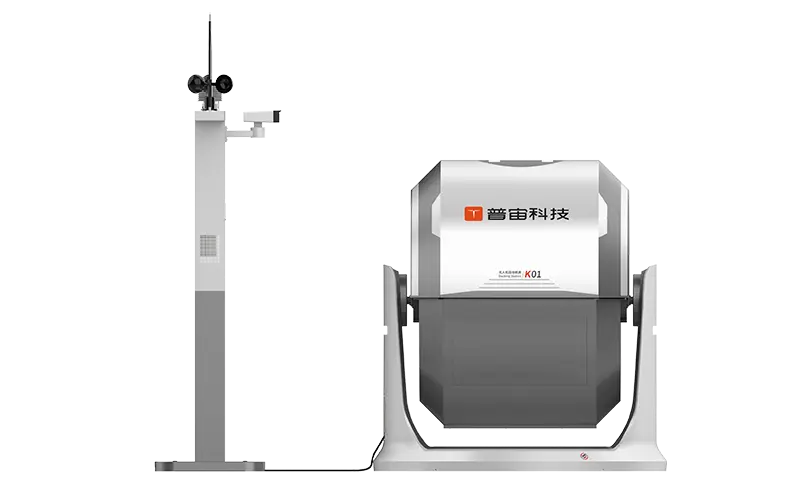
 GDU
GDU
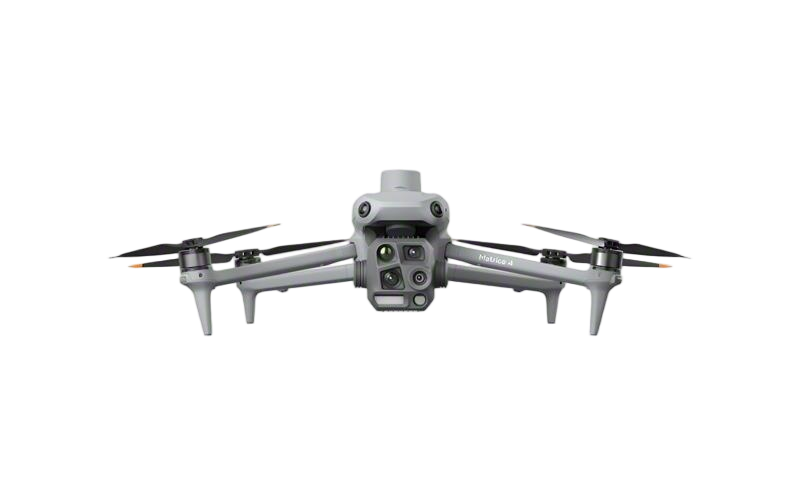 DJI
DJI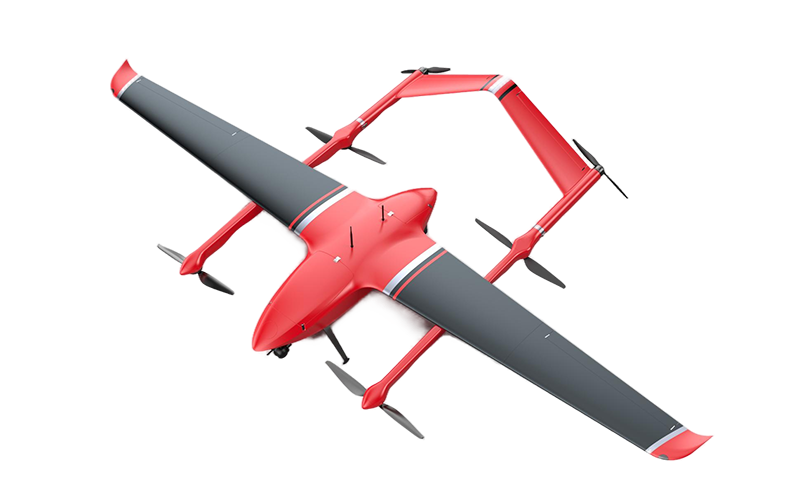 MMC
MMC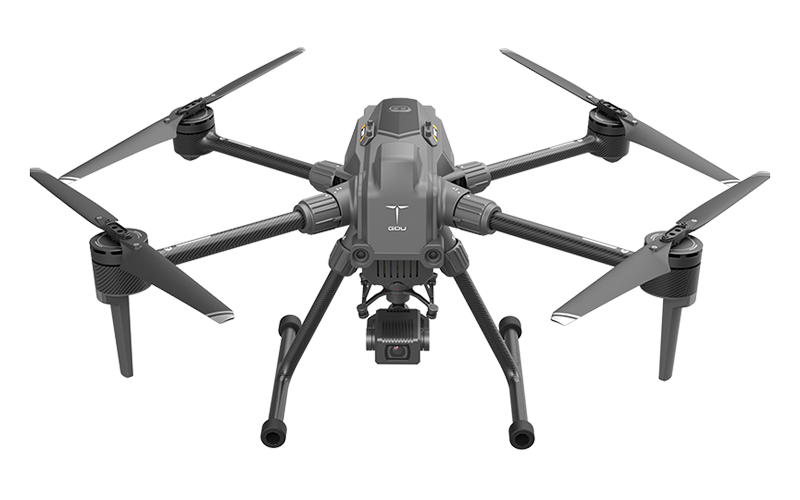 GDU
GDU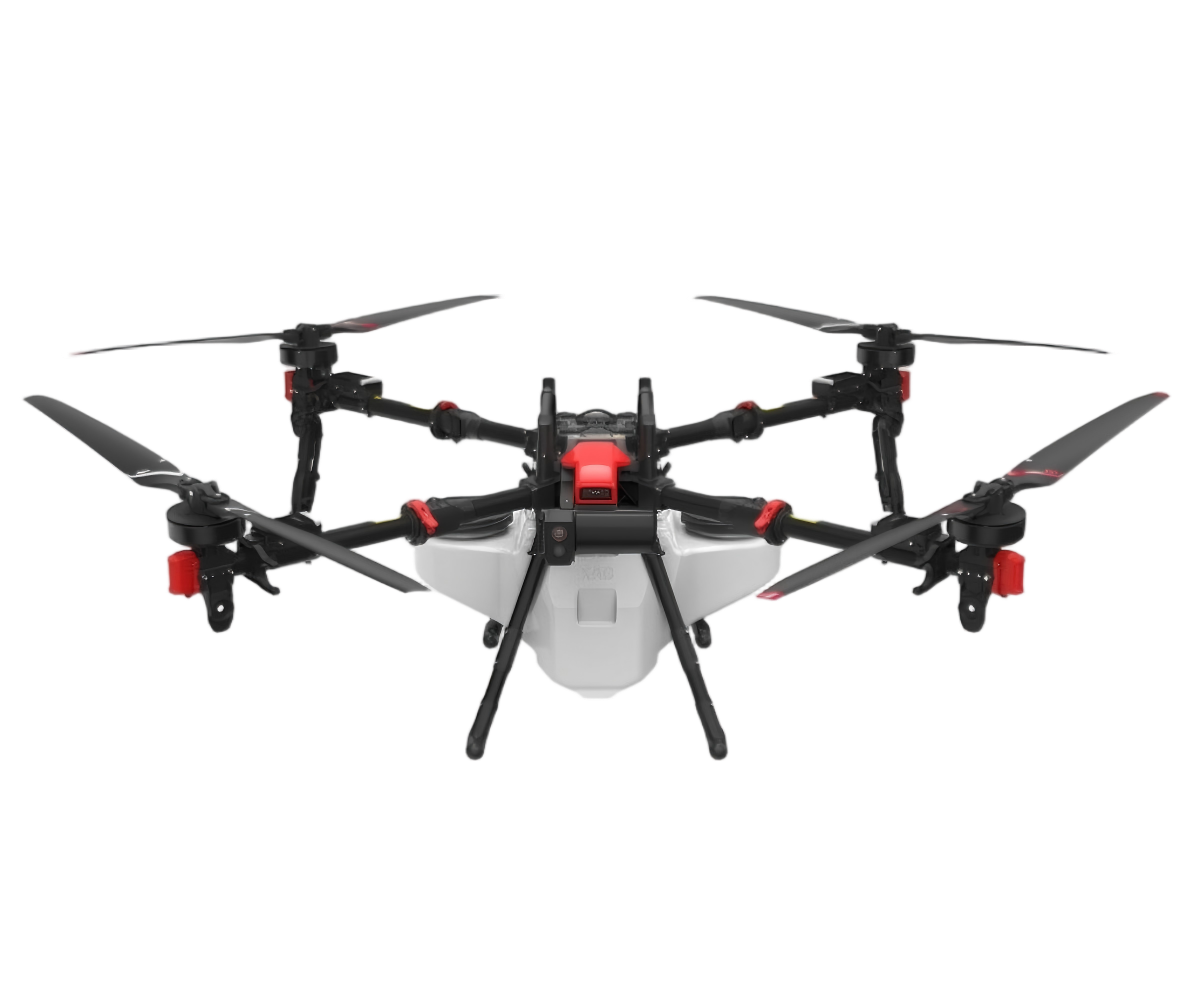 XAG
XAG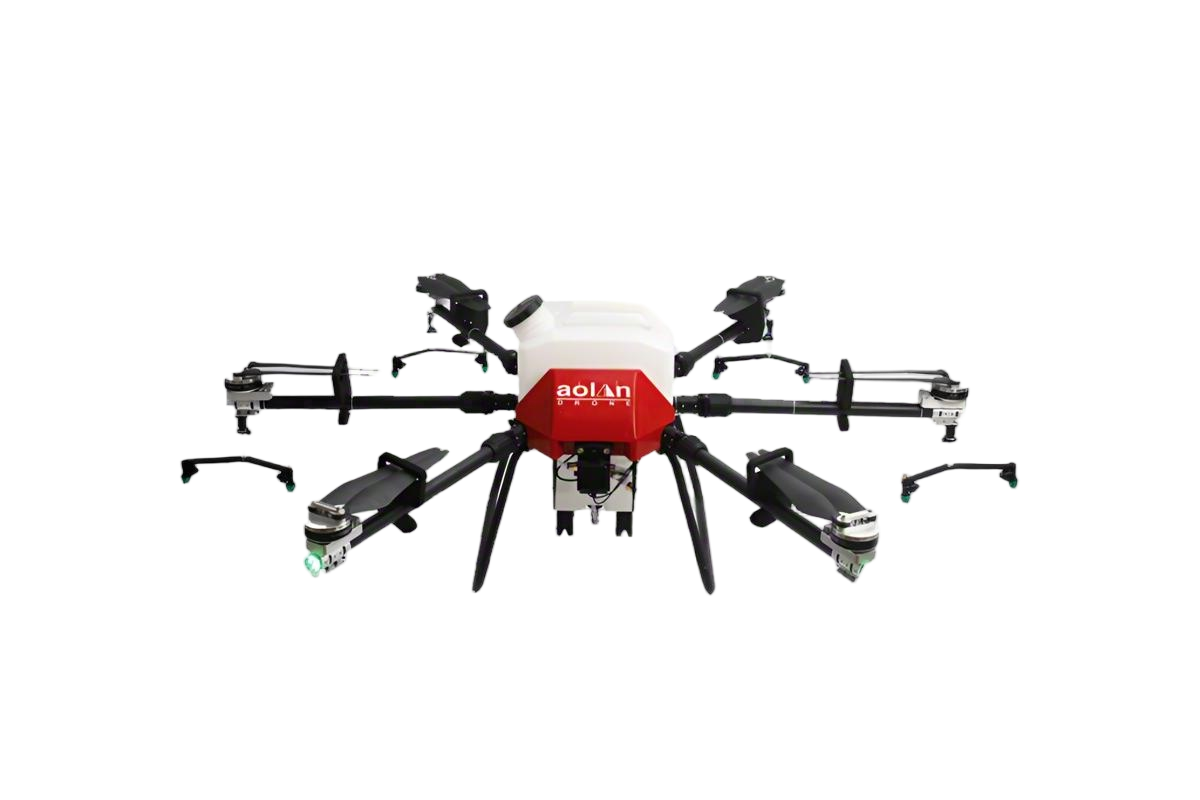 AOLAN
AOLAN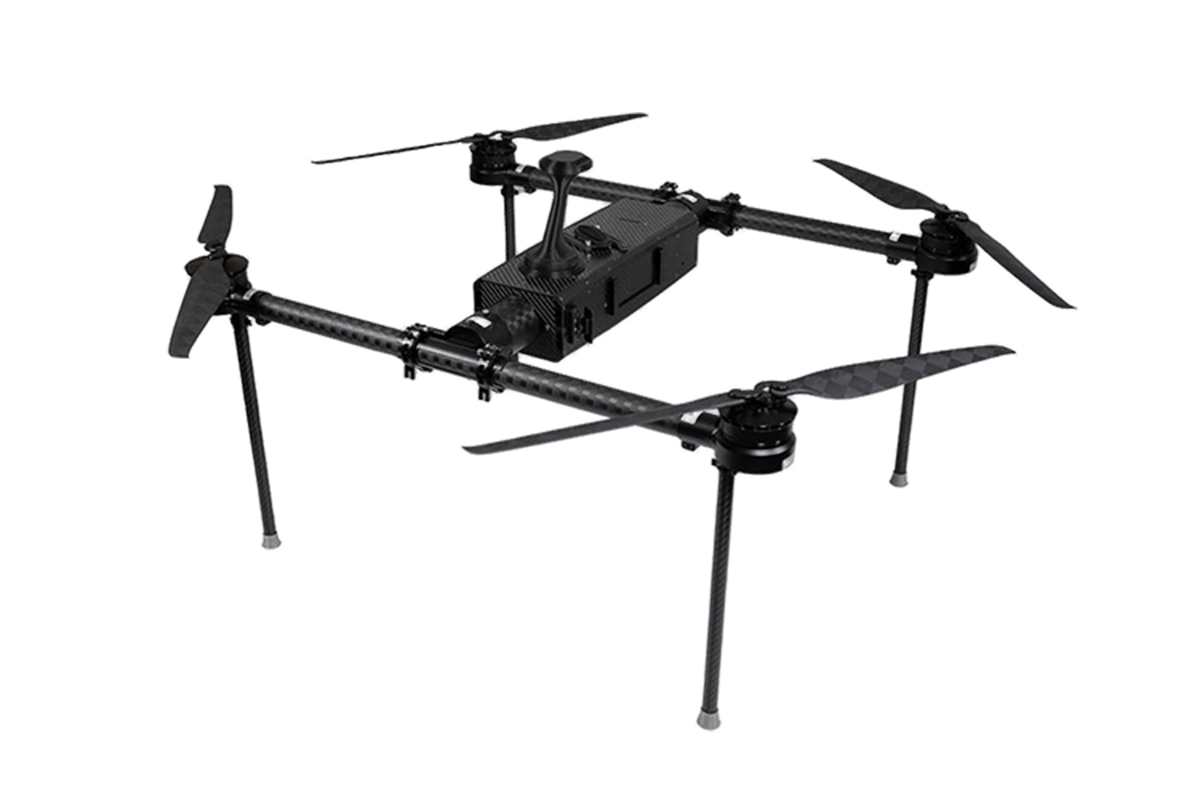 KEEL
KEEL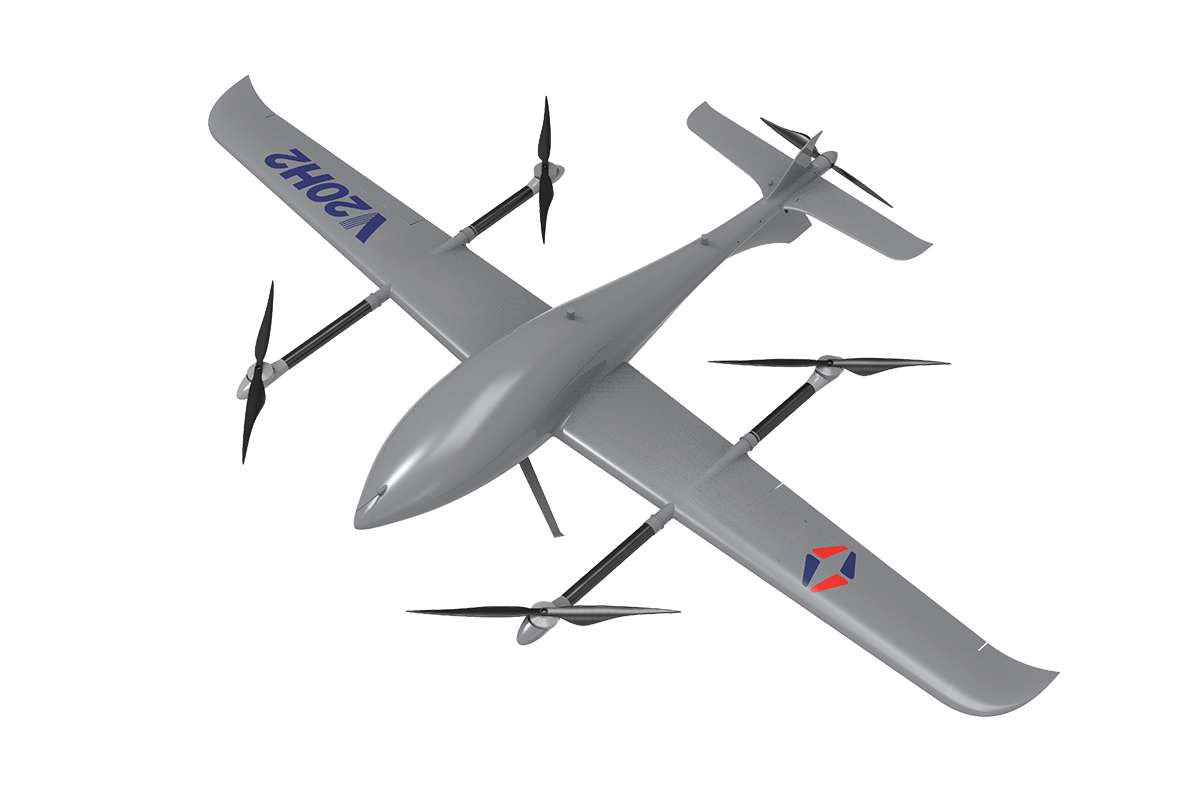 SKY NEXT
- DJI Matrice-4T
- DJI Matrice 4E Drone
- DJI Matrice 4TD
- DJI Matrice 30T
- DJI Mavic 3 Emterprise
- DJI Mavic 3M Multispectral Drone
- DJI RC 2 Plus Industry Plus
- DJI Matrice 4 Series Battery
- DJI Matrice 4D Series Batteries
- TB65 Intelligent Flight Battery
- TB100 Smart Flight Battery
- WB37 Battery
- DJI Accessories

Lately, the whole world of surveying and mapping has been flipped upside down thanks to the rise of surveying drones. I mean, Dr. Mark Anderson from UAV Solutions even said it best when he mentioned that these drones are changing the game when it comes to how quickly and efficiently we can gather data. These aren’t your average flying gadgets—they’re packed with all the latest tech, making it possible to get really detailed geographic info in a fraction of the time it used to take.
What’s cool is that these drones come loaded with high-res cameras and sensors. They can snap sharp pictures and even create 3D maps on the spot. The crazy part? Jobs that used to take weeks can sometimes be done in just days now. But, I gotta say, it’s not all smooth sailing—there are some hurdles. Not everyone really gets how these drones work or what their limits are, which can sometimes lead to mistakes or misinterpretations when using the data.
As the industry keeps moving forward, it’s super important for folks to get proper training and genuinely understand what these tools can and can’t do. Knowing how to operate them well and having a good grip on their strengths and weaknesses is key to getting accurate results. At the end of the day, the future of surveying really depends on how wisely we use this new tech. It’s an exciting time, but also one that calls for a bit of learning and adaptation.

What is a Surveying Drone?
A surveying drone is a specialized unmanned aerial vehicle designed for mapping and surveying tasks. These drones are equipped with advanced imaging technology, such as high-resolution cameras and LiDAR sensors. They capture detailed aerial images and data from above, making it easier to assess land and structures. Surveying drones enhance accuracy, offering a level of precision that is hard to achieve with traditional methods.
The operation of surveying drones often involves precise flight planning. Operators create flight paths that cover the area of interest. In some cases, manual controls are used, but automated flights are more common. The drone flies at a predetermined altitude, ensuring that it captures consistent data. Sometimes, operators may misjudge the required altitude. This can lead to data that isn’t as useful as intended.
Integration of software is crucial in processing the collected data. Images are transformed into maps and 3D models. Yet, it's essential to verify the output for accuracy. Quality control checks may reveal discrepancies in the data. It’s a reminder that while technology aids surveying, human oversight is still necessary.
What is a Surveying Drone and How Does It Work?
| Feature | Description |
|---|---|
| Type of Drone | Multirotor, Fixed Wing, Hybrid |
| Camera Type | RGB, Thermal, LiDAR |
| Flight Time | 30 to 120 minutes |
| Max Altitude | 400 feet (120 meters) |
| GPS Accuracy | Within 2-5 centimeters |
| Typical Use Cases | Construction, Agriculture, Mining, Environmental Monitoring |
| Data Collection | 2D Maps, 3D Models, Survey Data |
| Software Used | Photogrammetry, GIS Integration, CAD Software |
| Regulations | FAA Part 107, Local Regulations |

Enhancing Emergency Response: The Mercury X110 Heavy-Lift Firefighting Drone as a Game-Changer in Aerial Firefighting
In the realm of aerial firefighting, the advent of advanced drone technology is revolutionizing emergency response capabilities. The Mercury X110 Heavy-Lift Firefighting Drone stands out as a significant game-changer, particularly thanks to its modular design that allows for a rapid assembly in just three minutes. This feature ensures that first responders can quickly deploy the drone during critical moments, maximizing efficiency and enhancing overall operational readiness in emergencies.
Equipped with an impressive payload capacity of 50kg, this cutting-edge carbon-fiber drone is adept at executing a variety of firefighting missions. From precision targeting with water deployment to the strategic use of explosive canisters, its versatility is remarkable. Furthermore, the drone is designed to withstand challenging weather conditions, ensuring reliable performance in various environments, thereby allowing firefighting teams to tackle wildfires and other fire emergencies with greater effectiveness and safety. The integration of such innovative aerial technology not only supports traditional firefighting methods but also paves the way for more proactive and strategic approaches to managing fire incidents.

FAQS
: The product aims to improve daily convenience. It offers solutions for common tasks.
It is designed for general users, including busy professionals and students.
Follow the simple instructions provided. Adjust settings based on personal needs.
Yes, cleaning is straightforward. Just wipe it down with a damp cloth.
If issues arise, check the manual. Reflections on common problems may help.
The product's lifespan varies with usage. Regular maintenance can extend its life.
Most vendors offer return policies. Always check their conditions.
Avoid using it in wet environments. Keep it out of reach of children.
Look for replacement options online. Reflect on how to minimize loss in the future.
Conclusion
A surveying drone is an advanced aerial tool designed for capturing detailed geographical and structural data. It encompasses key components such as GPS, cameras, and flight control systems that work in tandem to provide accurate measurements. Surveying drones operate by flying over designated areas and capturing high-resolution images and 3D data through various sensors, including LiDAR and photogrammetry cameras. This data is then processed using specialized software to generate maps, models, and analyses that serve a wide range of applications across industries like construction, agriculture, and environmental monitoring.
The advantages of using surveying drones include improved efficiency, cost-effectiveness, and the ability to access hard-to-reach areas. However, there are limitations, such as regulatory restrictions and the need for skilled operators. Overall, surveying drones represent a significant advancement in data collection methods, transforming how professionals conduct surveys and manage land-related projects.
Related Posts
-

Top Benefits of Agriculture UAVs for Modern Farming Practices
-

2026 Top Agriculture Uav Drone Trends and Innovations?
-

How to Choose the Best Agricultural Drones for Your Farm?
-

Top 5 Agricultural Drones for Modern Farming Success?
-

2026 Top Farming Drones What You Need to Know?
-

Top Tips for Using Thermal Drones Effectively?
