 GDU
GDU
 DJI
DJI MMC
MMC GDU
GDU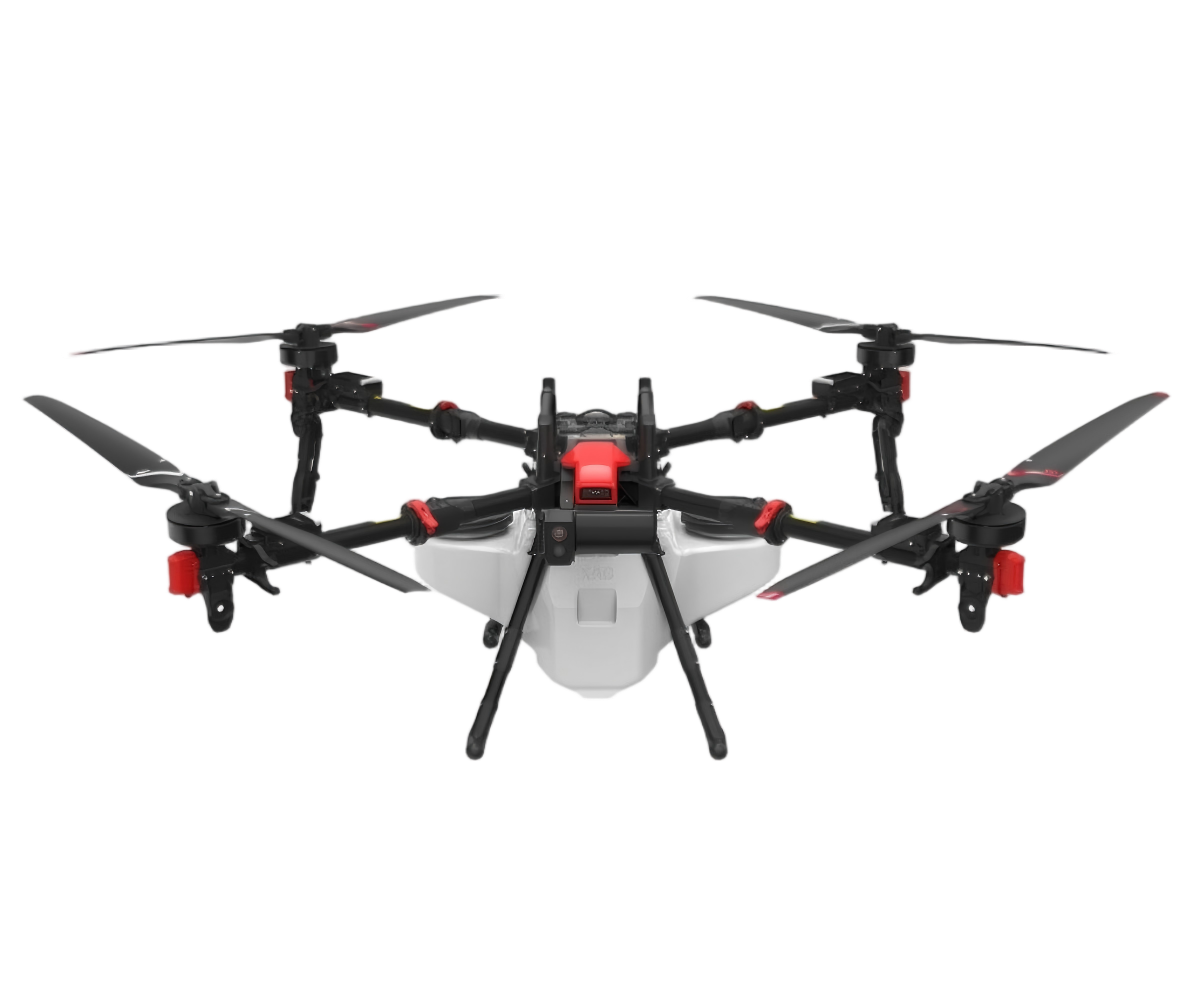 XAG
XAG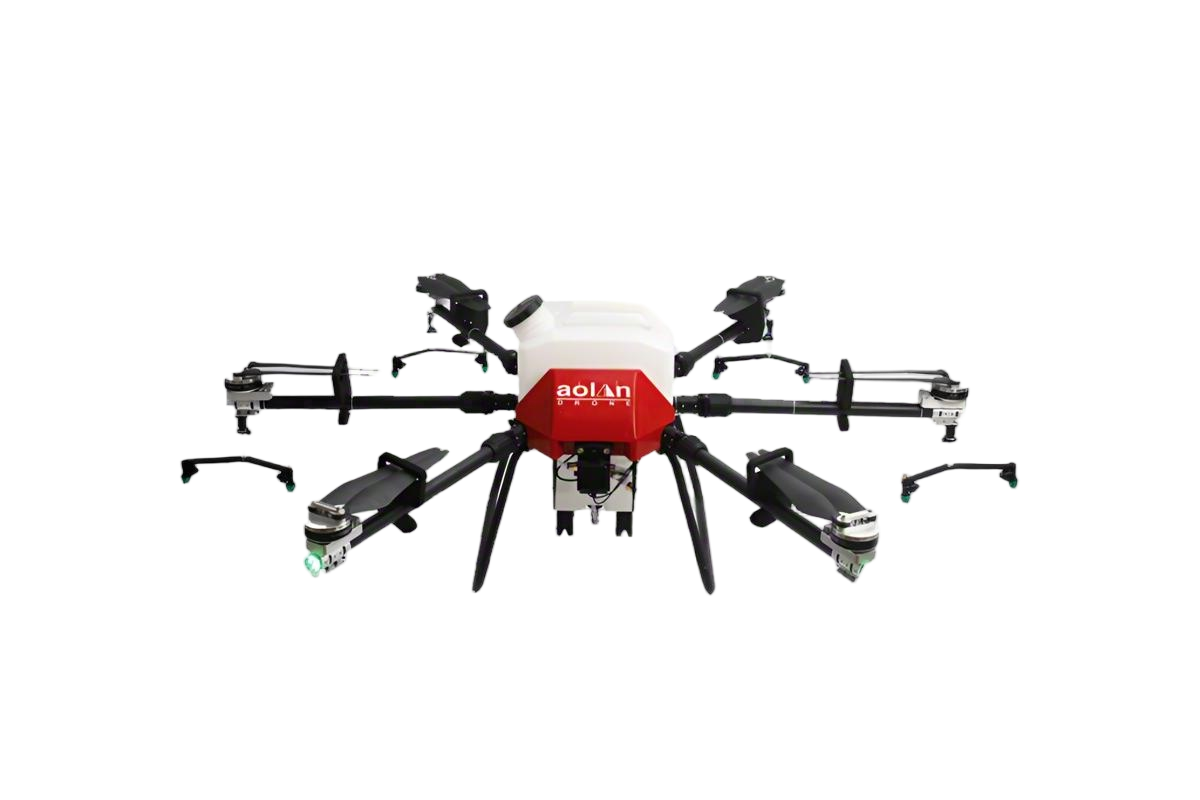 AOLAN
AOLAN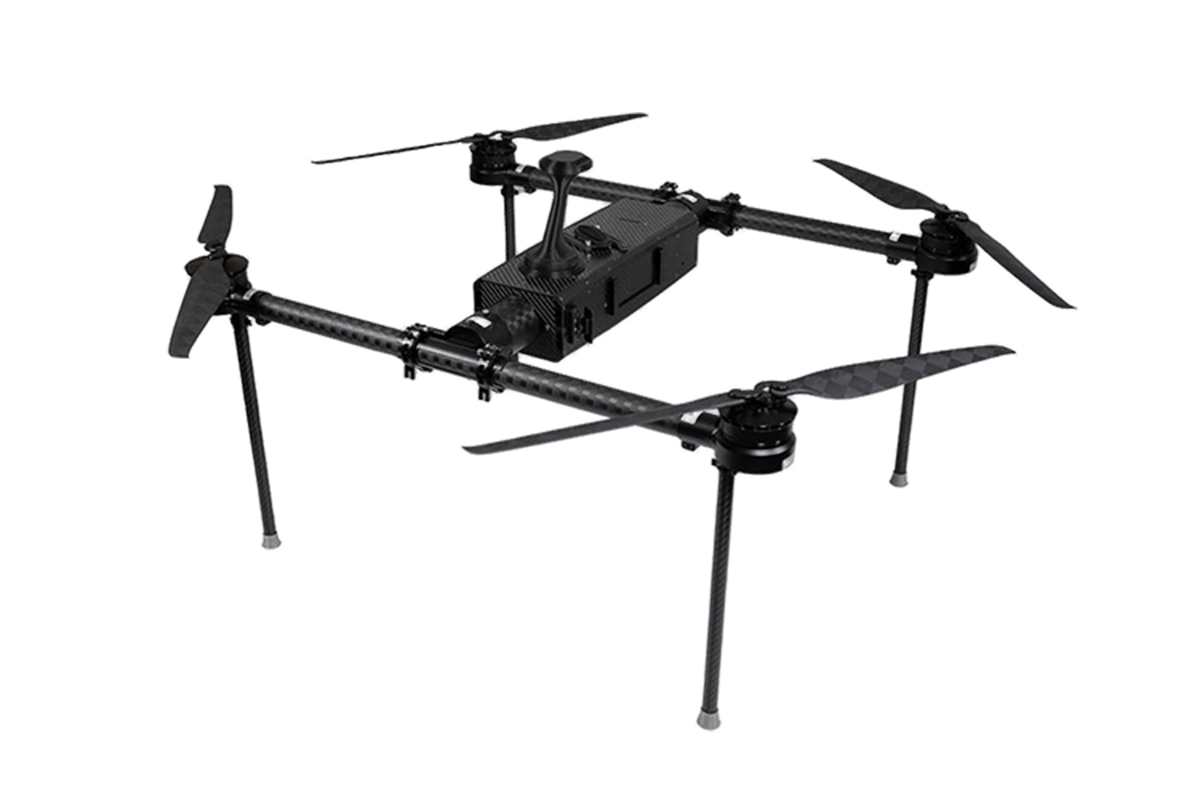 KEEL
KEEL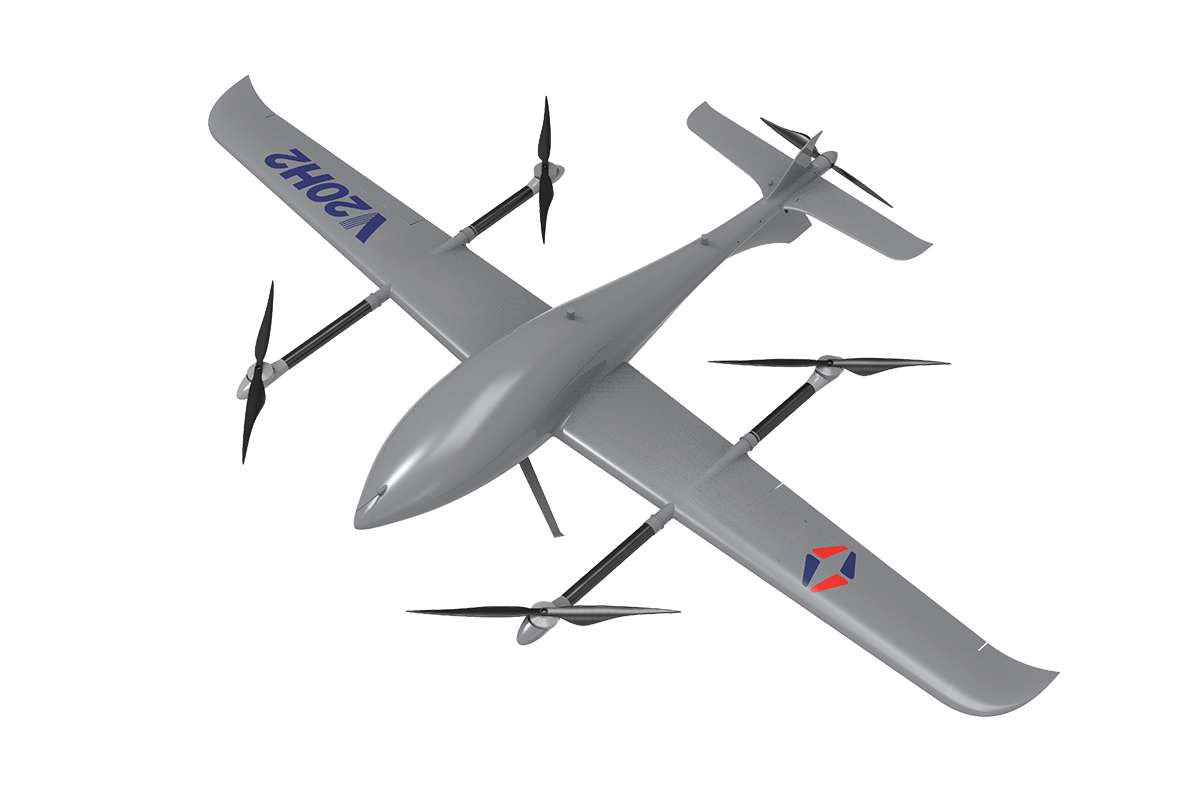 SKY NEXT
- DJI Matrice-4T
- DJI Matrice 4E Drone
- DJI Matrice 4TD
- DJI Matrice 30T
- DJI Mavic 3 Emterprise
- DJI Mavic 3M Multispectral Drone
- DJI RC 2 Plus Industry Plus
- DJI Matrice 4 Series Battery
- DJI Matrice 4D Series Batteries
- TB65 Intelligent Flight Battery
- TB100 Smart Flight Battery
- WB37 Battery
- DJI Accessories

Efficient crop management and protecting your fields is more important than ever in today's farming world. That’s where spray drones really come into play—they’ve totally changed the game for many farmers out there. I spoke with Dr. John Smith from AgriTech Innovations, who told me that ‘Spray drones are revolutionizing farming, bringing in a level of efficiency we’ve never seen before.’ Pretty cool, right?
But here’s the thing: just having the tech isn’t enough. Farmers need to learn how to use these drones properly. Calibration and timing are super important if you want to get the best results. While drones can cover huge areas in no time, relying on them too much without a manual check can cause problems—like missing pest hotspots or nutrient issues that a quick glance might catch.
And don’t forget, even though spray drones can cut down on labor costs and make life easier, they do need some pre-education and careful handling. Mess up the operation, and you might end up with spray drift or patchy coverage—that’s not great. It’s all about striking a balance between this new tech and good, old-fashioned farming know-how. At the end of the day, the aim is to get better yields without harming the environment. Working with spray drones is definitely a learning curve, filled with opportunities to get better, so keeping an open mind and staying adaptable is key.

Understanding Spray Drones and Their Role in Agriculture
Spray drones have revolutionized agriculture by enhancing crop management and protection. These drones can cover vast areas quickly and effectively, allowing farmers to monitor and treat their crops with precision. According to a report by MarketsandMarkets, the agricultural drone market is projected to grow significantly, reaching over $4 billion by 2024. This growth highlights the importance of understanding how these devices work.
Using spray drones requires knowledge and strategy. A tip for efficient use is to calibrate the spray nozzles for optimal droplet size. This ensures effective coverage while minimizing waste. Another important point is to plan the flight path carefully. A well-planned route can save time and resources. Drones can operate in various weather conditions, but extreme winds can severely limit their efficiency.
Farmers should also reflect on their data usage. Collecting and analyzing data from spray drones can lead to improved crop yields. However, many farmers struggle to interpret this data effectively. Investing time in training can make a significant difference. Understanding the technology and its implications allows farmers to take full advantage of these tools. Balancing the benefits with potential challenges is crucial for successful crop management.


Maximizing Crop Yields: The AL6-30 6-Rotor Agricultural Spraying Drone with Advanced Helicopter-Grade Engine
The agricultural sector continually seeks advancements that can enhance productivity while minimizing environmental impact. The AL6-30 6-Rotor Agricultural Spraying Drone, equipped with a sophisticated helicopter-grade engine, emerges as a game-changer in this pursuit. Engineered specifically for professional farm use, it combines efficiency and power to deliver optimal crop treatments, providing a significant boost to agricultural performance. According to industry reports, the implementation of drone technology in agriculture can result in yield increases ranging from 10% to 30%, thanks to improved precision in application and reduced resource wastage.
The advanced features of the AL6-30 drone are designed to cater to the diverse needs of modern farming. The helicopter-grade engine not only enhances flight stability and maneuverability but also allows for higher payload capacities. This capability ensures that larger areas can be treated with fewer flights, which saves both time and labor costs. Additionally, with smart spraying technologies, farmers can apply fertilizers and pesticides more selectively, reducing chemical runoff into the environment. Research indicates that precision agriculture tools, like sophisticated spraying drones, can decrease chemical usage by up to 50%, leading to healthier soils and broader biodiversity.
As agriculture moves towards more sustainable practices, leveraging innovative tools such as the AL6-30 becomes crucial. These drones provide farmers the ability to execute their tasks with unprecedented efficiency and accuracy, aligning with the growing demand for food production in a sustainable manner. The integration of advanced drone technology not only maximizes crop yields but also supports the long-term health of the agricultural ecosystem, highlighting the importance of innovation in today's farming landscape.

FAQS
: Regular exercise improves physical health and boosts mood. It enhances energy levels and aids in weight management.
Setting realistic goals helps. Tracking progress can also keep you motivated. Find a workout buddy too.
It depends on personal preference. Some people feel more energized in the morning. Others prefer evening workouts.
Aim for at least 150 minutes of moderate aerobic activity weekly. Two days of strength training is also recommended.
Short sessions can be effective. Even 10-15 minutes of activity is beneficial. Incorporate movement into daily routines.
It depends on the injury. Consult a professional first. Some activities may still be safe and beneficial while healing.
Conclusion
Spray drones are revolutionizing agriculture by offering efficient crop management and protection solutions. Understanding their role in this field is crucial, as they provide key benefits such as precision application of pesticides and fertilizers, reduced labor costs, and enhanced crop monitoring. When selecting a spray drone, it is important to consider essential features like payload capacity, flight time, and advanced navigation systems.
To maximize efficiency in crop spraying, best practices must be employed, including proper calibration and maintenance of the drone, as well as adherence to safety precautions to avoid accidents. As technology evolves, the future of spray drones looks promising, with trends indicating further advancements in automation and data analytics, ultimately improving agricultural practices and sustainability.
Related Posts
-

2026 Best Spray Drone for Agriculture and Aerial Surveys?
-

What is an Agriculture Sprayer UAV and How Does it Revolutionize Farming Practices
-

Agrispray Drone Best Practices for Effective Crop Spraying?
-

Top 10 Benefits of Using Fertilizer Drones for Modern Agriculture
-

What is a Fertilizer Drone and How Does It Work?
-

Top 10 Benefits of Using Fertilizer Drones in Agriculture?
