Hey, have you noticed how things are speeding up these days? Drones are really shaking up how deliveries are done, especially in logistics. I read somewhere that, according to the folks at International Data Corporation, the market for logistics drones is expected to hit around $29 billion by 2025. That’s mainly because everyone’s looking for quicker, more efficient ways to get stuff from point A to point B. Big names like Amazon and Zipline are really pushing things forward, making same-day deliveries a real possibility now.
These drones are pretty promising—they’re all about precision and speed. Imagine cutting down delivery times drastically, so you can get your package the same day! But, of course, it’s not all smooth sailing. Regulations around drone flying are still a bit of a mess and keep changing, which makes it tricky for businesses to figure out the best way forward. Plus, bad weather can throw everything off, causing delays and headaches.
To really make the most of these flying couriers, companies need to invest in solving these hurdles. They’ve got to strike a balance between pushing innovation and sticking to the rules. Keeping safety in check is super important too. If we keep making progress, these logistics drones could really change how deliveries work in the future—just gotta tread carefully and make sure everything fits together nicely.

Top 10 Drones Revolutionizing Logistics: An Overview of Their Capabilities
Logistics drones are changing the way goods are delivered. They offer speed and efficiency that traditional methods can't match. Imagine a small package flying over traffic, reaching customers in minutes instead of days. These drones can navigate complex environments. They use GPS and advanced sensors to avoid obstacles. However, challenges remain in urban areas with tall buildings and unpredictable weather.
Battery life limits flight time. Many drones can only cover short distances. This raises questions about their practicality for larger deliveries. Drones also face regulatory hurdles. Not all regions allow commercial drone flights. Safety concerns are valid, especially around populated areas. The technology is still evolving, and it may take time to address these issues. Engaging in a dialogue about potential risks is crucial for responsible deployment.
Despite these challenges, the capabilities of logistics drones are impressive. They can carry lightweight packages, collect data, and even assist in emergency situations. Each capability opens up new possibilities for the logistics sector. As companies explore different use cases, the learning curve remains steep. An open-minded approach to these innovations can lead to exciting developments in delivery services.
The Rise of Drone Delivery: Industry Growth and Market Projections
The drone delivery sector is witnessing rapid growth. Innovations in technology are reshaping logistics. Market projections suggest that drone deliveries could increase significantly over the next few years. Companies are investing heavily in this technology. The appeal lies in speed and efficiency. Drones can reduce delivery times dramatically.
Tips: Consider local regulations before implementing drone services. Understanding the legal framework is essential for success. Additionally, focus on customer education. Many might be hesitant about drone deliveries. Clear communication can alleviate concerns and enhance acceptance.
Market demand is driving this change. Urban areas may benefit the most. Drones can navigate congested streets and deliver items quickly. However, challenges remain. Weather conditions can impact drone operations. The technology must evolve to ensure reliability. Mistakes can lead to customer dissatisfaction.
Tips: Regular maintenance is crucial for drone performance. Investing in training for operators can minimize errors. Lastly, gather feedback from users. This information is valuable for improving services. An adaptable approach will likely lead to better outcomes.
Top 10 Logistics Drones Transforming Delivery Services
The bar chart above illustrates the projected growth percentage of the drone delivery service industry from 2021 to 2025. As technological advancements continue, it's expected that the adoption of drones for logistics will increase significantly.
Key Features of Logistics Drones: Payload Capacity and Range Explained
Logistics drones are changing the way we think about delivery services. Key features, like payload capacity and range, play a significant role in their effectiveness. These drones can carry a variety of items, significantly easing last-mile deliveries. Some can handle payloads up to several kilograms, making them suitable for various packages. Yet, not all drones can manage heavier loads efficiently. This limitation impacts their utility in certain sectors.
Range is another critical factor. Drones with extended ranges can cover larger areas quickly. This makes them ideal for rural deliveries where traditional transport faces challenges. However, many drones struggle with battery life. A short flight time can limit their operational effectiveness. Users often need to wait for recharges, causing potential delays.
Design also matters. Some drones are compact and agile, while others are bulkier. The choice impacts maneuverability in tight spaces. This aspect may cause frustration for businesses needing quick deliveries. While logistics drones promise efficiency, they still face hurdles. There is much to learn and improve upon. The potential is great, but the journey is just beginning.
Case Studies: Successful Implementations by Leading Logistics Companies
The logistics industry is witnessing a drone revolution. Various companies are implementing cutting-edge drone technology to enhance delivery services. A recent report suggests that the drone delivery market could exceed $40 billion by 2026. Companies across sectors are turning to drones to improve efficiency and reduce costs.
One fascinating case study revolves around medical supply delivery. A logistics company has successfully deployed drones in remote areas to deliver essential supplies. This approach cuts delivery times significantly, from hours to mere minutes. In one instance, it was reported that deliveries could reach locations 60% faster than traditional methods, especially in hard-to-access regions.
Tips: Create a strategic plan before deploying drones. Understand local regulations and operational challenges. Collaborate with technology experts to ensure safety and efficiency. Implementing drones without thorough preparation can lead to costly setbacks.
Another notable example involves consumer package deliveries. A logistics firm has started using drones in urban areas to combat traffic congestion. This has shown promise, with a reported 30% reduction in delivery windows. However, urban environments present unique challenges. Air traffic and regulatory compliance become critical considerations. Continuous evaluation of these factors is essential for long-term success.
Regulatory Landscape: FAA Regulations Impacting Drone Deliveries
The regulatory landscape for drone deliveries is rapidly evolving. The Federal Aviation Administration (FAA) has established crucial regulations that govern commercial drone operations. As of 2023, the FAA allows operations under specific parameters, including weight limits of 55 pounds and the necessity for pilots to maintain a line of sight with their drones.
Data from industry reports indicate that by 2026, the drone delivery market could be valued at approximately $30 billion. This potential growth hinges on the FAA's ability to streamline regulations. However, current frameworks can be cumbersome. Companies report delays in obtaining necessary approvals. For instance, the process to receive a Part 107 waiver can take several months.
Regulatory barriers are not the only challenges. Safety remains a top concern. The FAA mandates rigorous testing to ensure that drones can operate safely in urban environments. As drone operators push for more flexibility, balancing innovation with public safety will be crucial. Authorities are grappling with how to efficiently integrate drones into the national airspace while addressing community concerns about noise and privacy. The road to widespread drone delivery is fraught with hurdles, demanding ongoing collaboration between stakeholders.
Safety and Security: Addressing Risks in Drone Logistics Operations
Drone logistics are changing the delivery landscape. However, safety and security remain critical. As drones take to the skies, they face risks. Technical failures or adverse weather can pose dangers. Understanding these risks is essential for successful operations.
Effective risk management is key. Regular maintenance checks can prevent technical issues. Creating contingency plans for emergencies is smart. Always have a backup strategy in place. Training operators on safety protocols helps minimize risks.
Tips: Ensure drones are equipped with real-time monitoring systems. This increases awareness during operations. Have an emergency landing zone identified before the flight. Clear communication channels can enhance safety. Foster a culture of safety within your logistics team. Encourage feedback to improve safety measures continuously. Evaluate past incidents to avoid repeating mistakes.
Top 10 Logistics Drones Transforming Delivery Services
| Drone Model |
Payload Capacity (kg) |
Maximum Range (km) |
Flight Time (minutes) |
Safety Features |
| Drone A |
5 |
15 |
30 |
Obstacle Avoidance, GPS-Enabled |
| Drone B |
10 |
20 |
25 |
Redundancy Systems, Parachute Recovery |
| Drone C |
3 |
10 |
15 |
Geo-Fencing, Emergency Landing |
| Drone D |
8 |
25 |
40 |
Thermal Imaging, Anti-Collision |
| Drone E |
12 |
30 |
35 |
Collision Avoidance, Return-To-Home |
| Drone F |
6 |
12 |
20 |
Dual Cameras, Emergency Shut-off |
| Drone G |
14 |
22 |
45 |
Radar System, Live Data Streaming |
| Drone H |
4 |
8 |
18 |
Automatic Return, Safety Notifications |
| Drone I |
9 |
18 |
28 |
Electronic Failsafe, Smart Tracking |
| Drone J |
11 |
28 |
50 |
Real-time Monitoring, Enhanced Stability |
Future Trends: Technological Innovations Shaping Drone Deliveries
The rapid evolution of drone technology is reshaping delivery services in exciting ways. Innovations like advanced GPS systems and enhanced battery life are making drones more efficient. These features allow for quicker delivery times and the ability to reach remote areas. Some drones now boast payload capacities that can handle various retail items. This capability opens new avenues for businesses looking to innovate.
Yet, with progress comes challenges. Safety concerns remain critical, especially in urban environments. Drones must navigate complex airspaces filled with obstacles. Additionally, regulations can be inconsistent across regions, complicating operations. As companies embrace drone delivery, they need to ensure compliance while maintaining a seamless customer experience.
Public perception also plays a role. Some people may view drones as disruptive or invasive. Businesses should prioritize transparency and communication to foster acceptance. Addressing these concerns will be crucial for the future of drone deliveries. Ultimately, the journey of integrating drones into logistics is filled with potential but also demands careful consideration.
Economic Impact: Cost-Benefit Analysis of Implementing Drones in Logistics
The integration of drones into logistics has been a game-changer. These flying machines decrease delivery times significantly. Imagine a customer in a remote area receiving their package in under an hour. This speed can enhance customer satisfaction and retention.
However, the cost of implementing drones is not insignificant. Initial investments in technology and infrastructure can be high. Training personnel to operate and maintain drones is also essential. Companies must conduct a thorough cost-benefit analysis before adopting this new method. Will the increased efficiency really offset the costs? How smooth will the transition be from traditional delivery systems?
Moreover, regulatory challenges often create obstacles. Airspace regulations vary by region, complicating widespread adoption. There is also the question of public acceptance. Some communities might resist drones flying overhead. Addressing these concerns is crucial. Understanding these factors will help companies navigate the complexities of drone logistics.
Revolutionizing Aerial Operations: The Mercury X30 Multirotor Drone for Logistics and Surveillance Efficiency
The Mercury X30 multirotor drone stands at the forefront of revolutionizing aerial operations, particularly in logistics and surveillance. Its design embodies reliability, making it the perfect tool for seamless cargo transport and emergency response. Whether delivering essential supplies to remote locations or conducting critical surveillance operations, the X30 is engineered to perform efficiently even in the most demanding environments.
One of the standout features of the Mercury X30 is its advanced GPS-autonomous navigation system. This technology ensures precision and accuracy in flight paths, allowing for optimal route planning and execution under varying conditions. In mission-critical operations, where every second counts, the ability to rely on autonomous navigation provides a significant tactical advantage. As industries continue to embrace drone technology, solutions like the Mercury X30 are setting new benchmarks for operational efficiency and reliability.
FAQS
: Take a short walk outside. Fresh air can help clear your mind. Deep breathing exercises may also be beneficial.
Set a regular sleep schedule. Keep your bedroom dark and cool. Avoid screens before bedtime for better rest.
Choose activities you enjoy. Dancing, walking, or even gardening can keep you moving. Aim for at least 30 minutes a day.
Water helps maintain bodily functions and boosts energy levels. Aim for 8 cups of water daily but adjust based on your needs.
Make a daily list of tasks. Prioritize them by importance. Break larger tasks into smaller, manageable ones to avoid feeling overwhelmed.
Mindfulness can reduce stress and increase focus. Start with a few minutes each day to practice being present in the moment.
Accept your feelings and give yourself time. Reflect on what you learned from the experience. It may not feel great, but growth often comes from setbacks.
Yes, many people experience feeling overwhelmed. It’s okay to ask for help. Identify what’s causing your feelings and take small steps to address it.
Include more fruits and vegetables in your meals. Cooking at home can also be a positive change. Remember, moderation is key, and occasional indulgence is okay.
Break your goals into smaller steps. Celebrate small achievements along the way. Remember to reflect on why those goals are important to you.
Conclusion
Logistics drones are revolutionizing the delivery services landscape, offering capabilities that enhance efficiency and speed. In recent years, the rise of drone delivery has transformed the logistics industry, showcasing significant growth potential and promising market projections. With varying payload capacities and ranges, logistics drones are tailored to meet diverse delivery demands, as demonstrated by successful case studies from leading companies.
As the industry evolves, understanding the regulatory landscape, particularly FAA regulations, is crucial for safe operations. Addressing safety and security risks remains a priority to ensure reliable logistics drone operations. Future trends highlight ongoing technological innovations that will shape drone deliveries, while a cost-benefit analysis illustrates the economic impact of implementing logistics drones, underscoring their role in modern supply chains.
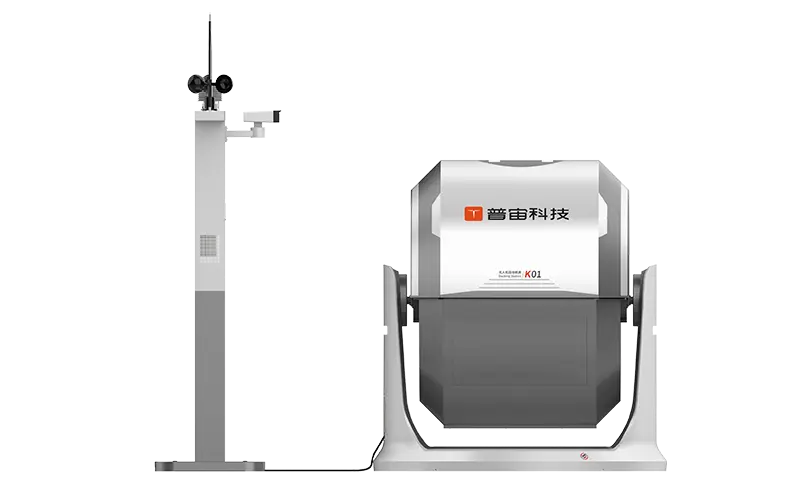 GDU
GDU
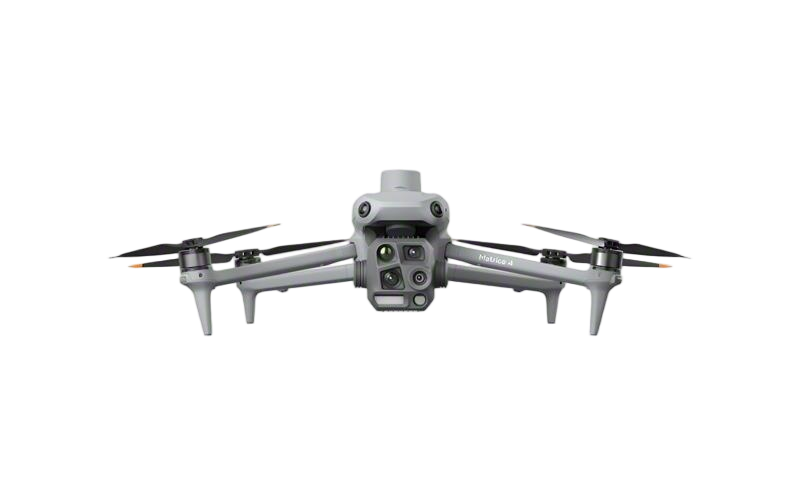 DJI
DJI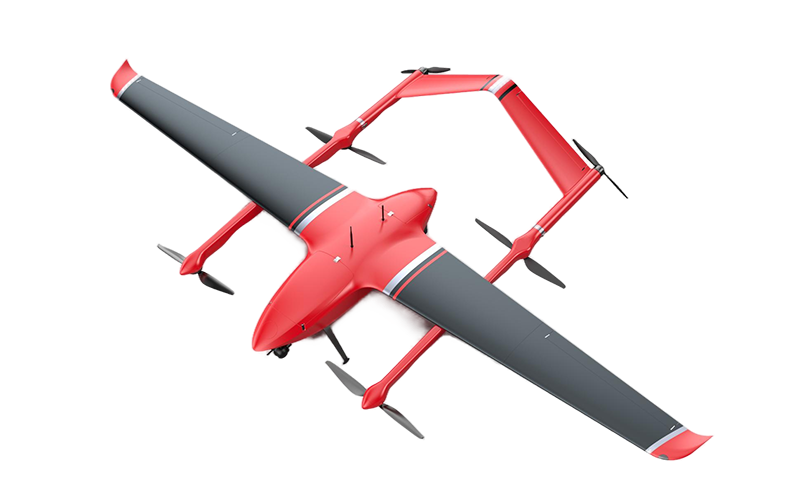 MMC
MMC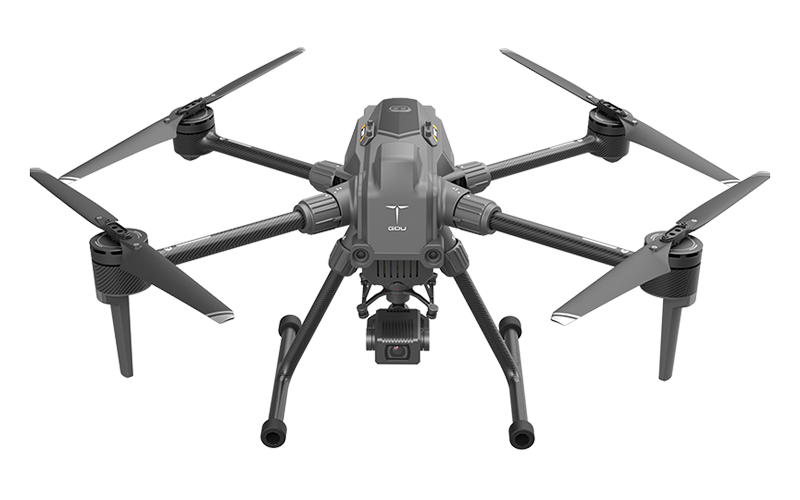 GDU
GDU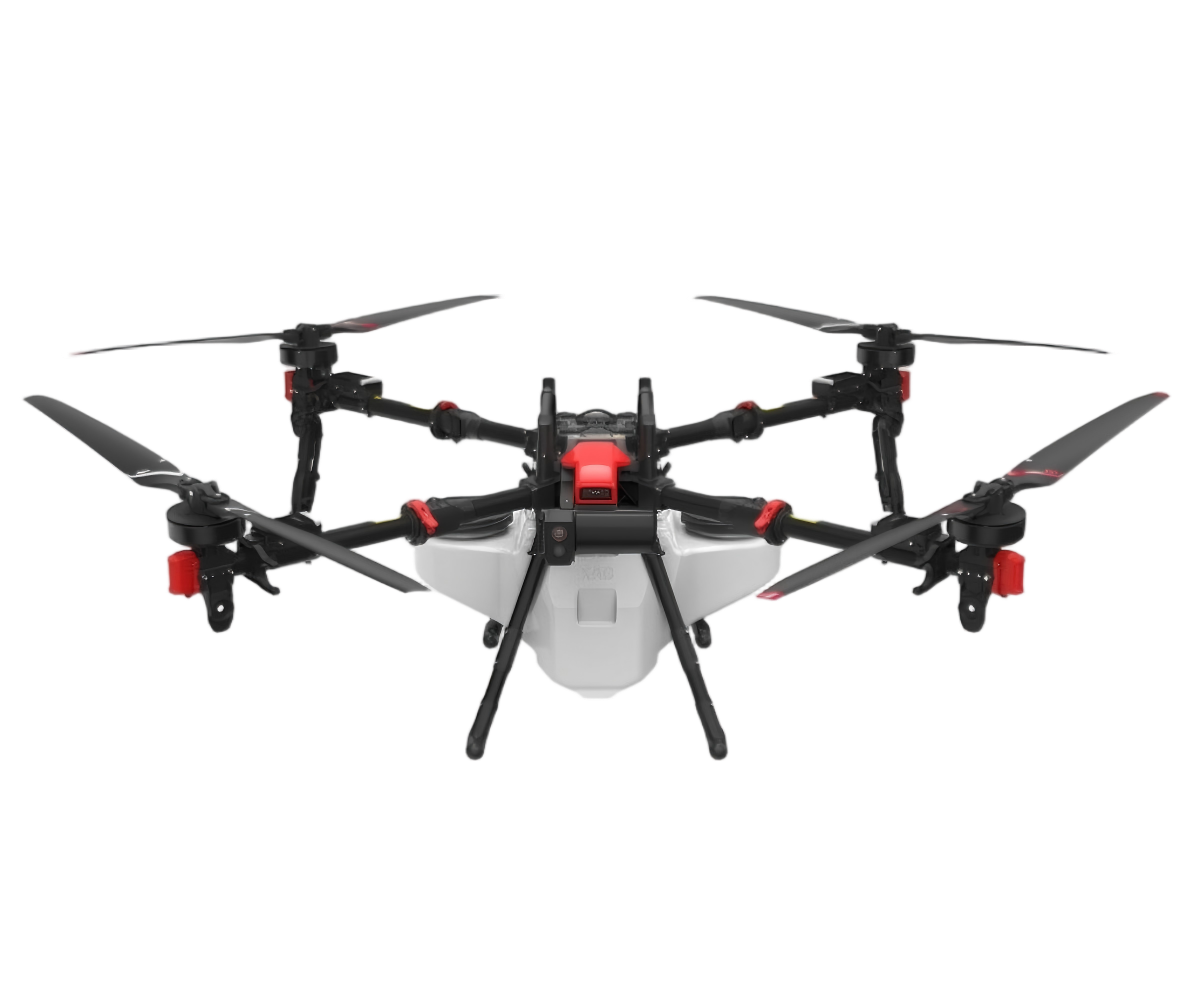 XAG
XAG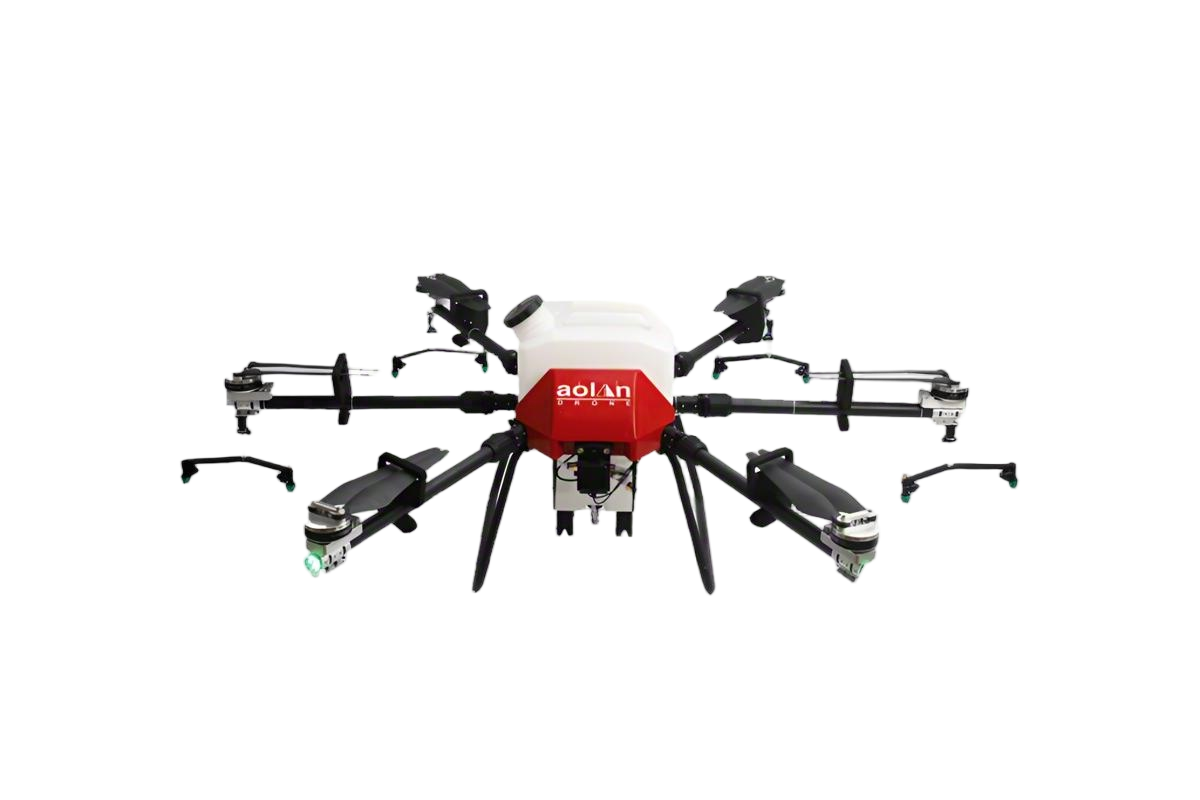 AOLAN
AOLAN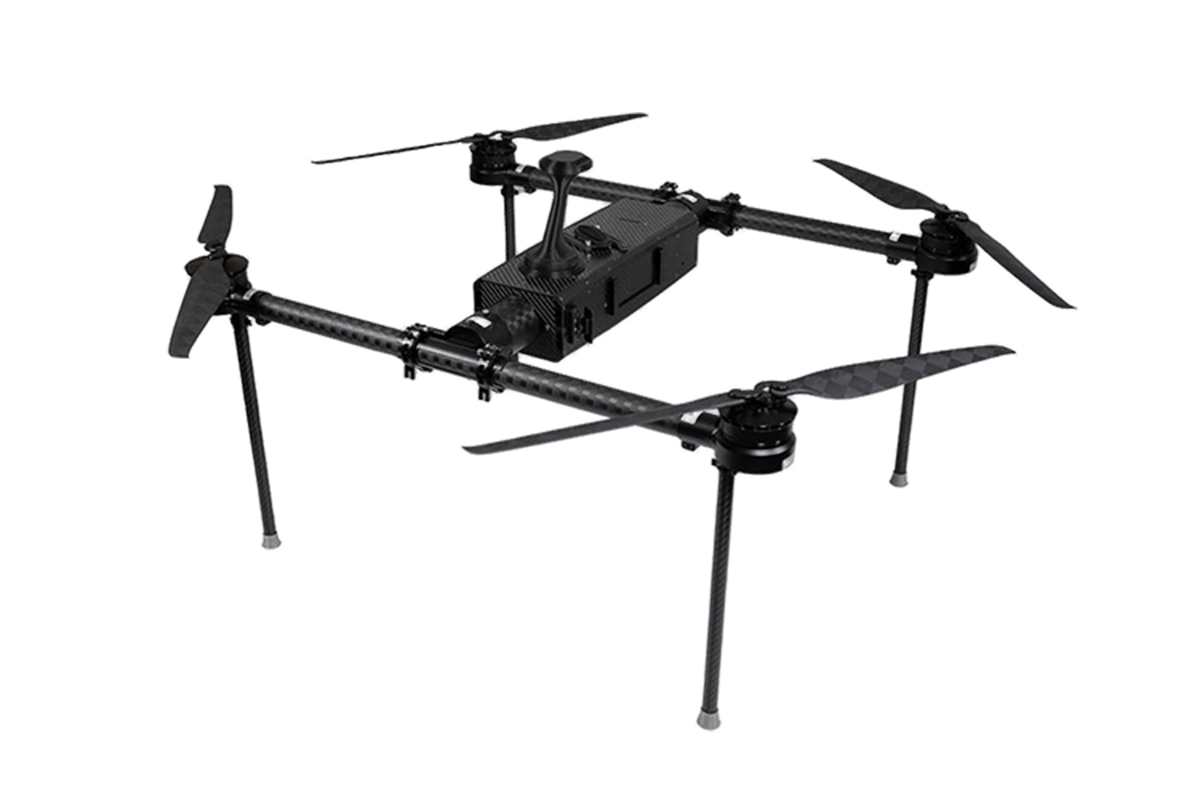 KEEL
KEEL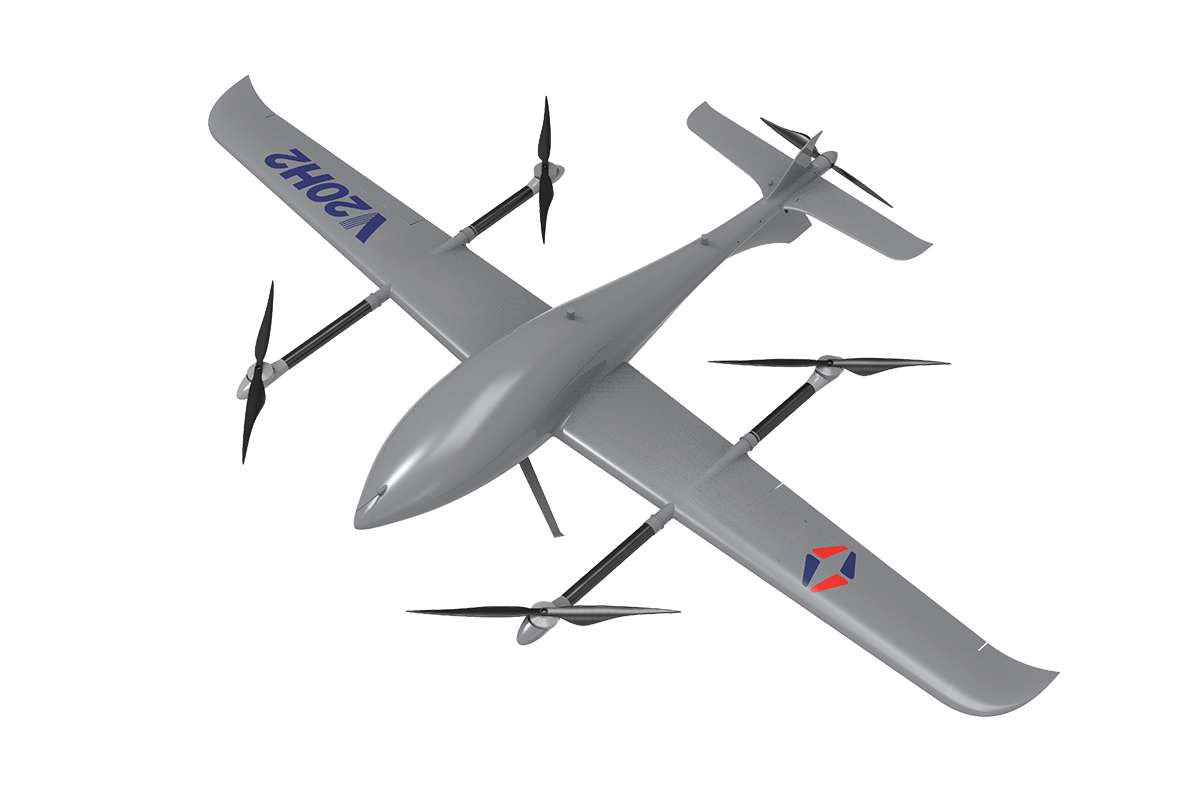 SKY NEXT


