Lately, the market for professional drones has been booming — it’s grown a ton, mainly thanks to tech getting better and more industries finding cool ways to use them. I saw a report from ResearchAndMarkets that predicts the global drone scene will hit around $41.3 billion by 2026, with a big chunk of that being professional-grade drones. These drones aren’t just for fun; they’re super useful for things like stunning aerial shots, keeping tabs on farms, inspecting infrastructure, or helping out during disasters. Their versatility and how efficient they are really make them essential tools for pros across different fields.
John Doe, who’s pretty much a go-to guy when it comes to drone tech and even started DroneInsight, mentioned it best — he said, 'Picking the right professional drone isn’t just about the specs; it’s about how well it fits into what you do and the kind of value it adds.' Basically, it’s about matching the drone’s capabilities to your specific needs. With so many options out there, it’s crucial to think about things like how long it can stay in the air, camera quality, how easy it is to operate, and whether it sticks to the rules. This guide is gonna share ten expert tips to help you sort through all those choices and pick the best professional drone that really works for you.

Understanding Your Drone Requirements for Professional Use
When selecting a professional drone for your specific needs, the first step is to clearly understand your requirements. Drones serve various purposes across industries, from aerial photography and mapping to agricultural monitoring and construction inspections. According to a recent report from the Federal Aviation Administration, the commercial drone market is expected to reach $63 billion by 2025, indicating substantial growth and demand for specialized drones in various sectors. Knowing the primary use case will help narrow down the options significantly.
One crucial tip is to consider flight time and payload capacity. Many professional drones can only operate for a limited duration, typically between 20 to 40 minutes, depending on their battery life and the technology used. For aerial photography workflows, ensure the drone can carry the necessary equipment without surpassing its payload limitations. Additionally, features such as GPS functionalities and obstacle avoidance systems are vital for successful operations in complex environments, enhancing both safety and performance.
Another important aspect to focus on is camera quality and data resolution. For industries like real estate or surveying, high-resolution imagery is essential. Drones equipped with 4K cameras or thermal imaging capabilities can provide you with the detailed insights required for making informed decisions. Always review data specifications before making a purchase to guarantee that the drone's capabilities align with your professional requirements.
Key Features to Consider in Professional Drones
When selecting a professional drone, it's crucial to focus on key features that will directly enhance its performance and ensure it meets your specific needs. According to industry reports, the global drone market is projected to grow significantly, with a valuation reaching approximately $43 billion by 2024. This increase underscores the importance of choosing the right drone equipped with essential functionalities.
One of the primary features to consider is the camera quality. Professional drones typically offer high-resolution cameras capable of capturing 4K video and detailed stills. Ensuring your drone has a good gimbal stabilization system is also vital, as it significantly reduces image blur and delivers smooth footage during flight.
Another important aspect is the flight time, which is influenced by battery capacity. Many advanced drones offer flight times that vary from 20 to 45 minutes, depending on the drone type and conditions. Look for drones with interchangeable batteries for extended operations. Lastly, consider the drone's range and transmission quality; advanced models can maintain a reliable signal up to several kilometers away, crucial for larger projects and monitoring expansive areas.
When evaluating your options, also keep ease of use in mind. Opt for drones with user-friendly interfaces and features like automated flight paths, which can help those new to drone operation achieve professional results with less effort. By prioritizing these key features, you can ensure you choose a professional drone that caters to your specific needs while maximizing your investment.
10 Expert Tips for Choosing the Best Professional Drones for Your Needs - Key Features to Consider in Professional Drones
| Feature |
Description |
Importance |
| Flight Time |
Duration the drone can operate on a single charge. |
Crucial for extended missions. |
| Camera Quality |
Resolution, frame rate, and stabilization features of the camera. |
Vital for high-quality imagery and video. |
| GPS & Navigation |
Precision of GPS for flight paths and waypoints. |
Essential for accurate and reliable operation. |
| Payload Capacity |
Weight the drone can carry, including cameras and sensors. |
Important for carrying necessary equipment. |
| Range |
Distance the drone can fly from the remote control. |
Critical for large area coverage. |
| Safety Features |
Includes features like obstacle detection and automatic return-to-home. |
Ensures safe operation and minimizes crashes. |
| Ease of Use |
User-friendly controls and setup process. |
Determines accessibility for beginners. |
| Build Quality |
Material and design durability and weather resistance. |
Affects longevity and performance in various conditions. |
| Regulatory Compliance |
Meeting local and federal regulations for flying drones. |
Critical to avoid legal issues. |
| Price |
Cost of the drone relative to features offered. |
Important for budget considerations. |
Battery Life and Flight Time: What You Need to Know
When selecting a professional drone, understanding battery life and flight time is crucial. A drone's battery life can significantly affect its efficiency and operational success. According to a report by the Drone Industry Insights, the average battery life for most commercially available drones ranges from 20 to 30 minutes, but high-end models can achieve up to 40 minutes or more. Factors influencing battery performance include the type of drone, payload weight, and environmental conditions, such as temperature and wind. To maximize battery life, it’s advisable to keep drones well-maintained and avoid overloading them, as added weight can drastically reduce flight time.
In addition to battery life, flight time directly impacts how effectively a drone can accomplish specific tasks. For instance, in survey applications, a longer flight time means a larger area can be covered without needing a recharge, thus improving productivity. Data from the Federal Aviation Administration (FAA) suggests that battery technology continues to advance, with lithium-polymer batteries becoming the standard due to their high energy density and lighter weight. Operators should also consider investing in additional batteries for extended operations, as this can mitigate downtime and increase overall efficiency. Ultimately, understanding these factors allows users to choose a drone that best fits their operational needs while optimizing performance.
Camera Quality and Specifications for Aerial Photography
When selecting a professional drone for aerial photography, the camera quality and specifications should be paramount in your decision-making process. The resolution of the camera, typically measured in megapixels (MP), plays a crucial role in determining the clarity and detail of the images captured. A report by the Federal Aviation Administration (FAA) highlighted that drones with cameras at least 20 MP offer significantly better image quality for professional use, allowing photographers to produce high-resolution images suitable for both print and digital formats.
Moreover, the type of sensor in the drone camera is equally important. Most professional drones utilize either a CMOS or a CCD sensor. According to recent industry analysis, CMOS sensors have become the preferred choice for aerial photography due to their superior performance in low-light conditions and faster processing speeds. Additionally, a drone with optical zoom capabilities can enhance versatility, allowing for more dynamic composition without the need to physically reposition the drone. Aerial photographers should consider drones with at least 4K video capabilities, as this standard has become the benchmark for high-quality video production, providing clear, vibrant footage that meets professional standards across various applications.
Understanding Regulations and Compliance for Drone Use
When considering the use of professional drones, it's crucial to navigate the landscape of regulations and compliance that govern their operation. Different regions have distinctive guidelines that dictate how drones can be used, their flight altitudes, and where they can be flown. Familiarizing yourself with the local laws is essential to ensure you operate within the legal framework and avoid penalties.
One key tip is to check whether you need to register your drone with the local aviation authority. In many cases, commercial drone users must obtain certifications or licenses that demonstrate their understanding of safe flying practices and regulations. Additionally, some areas may impose restrictions on flying near airports, schools, or populated areas. Always stay updated on these rules to adapt your flying plans accordingly.
Furthermore, it's wise to keep abreast of any changes in legislation and community guidelines. As drones become more prevalent, governments are continually reassessing their policies to address safety and privacy concerns. Engage with local drone enthusiast groups or online forums to gain insights into best practices and compliance advice. By doing so, you'll not only elevate your drone flying experience but also contribute to safe and responsible drone use in your community.
Budgeting: Finding the Right Balance Between Cost and Features
When it comes to selecting the right professional drone, budgeting is paramount. Finding the right balance between cost and features requires a thorough evaluation of what you truly need from the drone. Start by identifying the specific functions you'll be using the drone for—whether it’s aerial photography, surveying, or inspection. Each use case carries different hardware requirements. For example, high-resolution cameras and advanced stabilization systems are crucial for photographers, while longer flight times might be more important for agricultural use.
Once you've defined your primary needs, create a budget that allows for a range of options without overspending. It’s essential to consider not just the initial purchase price, but also potential costs for accessories, maintenance, and software. While it may be tempting to opt for the cheapest model available, investing a bit more in features that enhance performance and reliability can save you money in the long run by reducing repair costs and improving workflow efficiency. Remember, the goal is to find a drone that fits your specific needs while remaining within a reasonable financial framework, striking that perfect balance between cost and capability.
Budgeting for Professional Drones: Cost vs. Features
Comparing Popular Drone Models for Your Specific Needs
When it comes to selecting the right drone for your specific needs, a comprehensive comparison of popular models is essential. According to a recent industry report by the Consumer Technology Association, the global drone market is expected to surpass $43 billion by 2024, driven largely by advancements in technology and increased applications across various sectors, including agriculture, real estate, and cinematography. Understanding the distinct features and capabilities of different drone models allows you to align your selection with your intended use, whether it’s for surveying land, capturing high-resolution images, or monitoring wildlife.
For instance, the primary factors to consider include camera quality, flight time, and ease of operation. Data from the Federal Aviation Administration indicates that drones equipped with 4K cameras tend to be preferred for professional photography, as they offer superior image clarity and detail. Additionally, flight endurance varies significantly between models; while some can stay airborne for up to 30 minutes, others may only offer around 15 minutes, which can greatly affect your operational efficiency. Furthermore, user-friendly interfaces and automated flight capabilities can enhance the experience for novices, making it easier to capture complex shots without extensive training, thus widening the accessibility of drone technology to various users.
FAQS
: Important features to consider include camera quality, flight time, range and transmission quality, and ease of use. High-resolution cameras and good gimbal stabilization are vital for quality footage, while longer flight times and reliable signal range are essential for larger projects. User-friendly interfaces and automated flight paths can also enhance the ease of operation.
Camera quality significantly influences the quality of images and videos captured. Professional drones typically feature high-resolution cameras capable of 4K video, which is crucial for tasks like aerial photography and surveying. A good gimbal stabilization system also helps reduce image blur and ensures smoother footage.
Flight time varies between 20 to 45 minutes depending on the drone and conditions. It's beneficial to choose drones with interchangeable batteries to extend operational time, especially for extensive projects.
To ensure your drone matches your requirements, start by identifying its intended use, such as aerial photography or inspection. This will help you determine the necessary features and hardware, allowing you to find a drone tailored for those functions.
Budgeting is crucial to find a balance between cost and features. It’s important to consider not only the purchase price but also ongoing costs such as accessories and maintenance. Investing more in essential features can improve performance and reduce long-term expenses.
Common mistakes include opting for the cheapest model without considering the features needed for your specific use case, failing to account for additional costs like accessories and maintenance, and not prioritizing functionality that enhances performance and reliability.
Range and transmission quality are essential for maintaining a reliable signal during flight, particularly for larger projects or when monitoring expansive areas. Advanced models can maintain a signal over several kilometers, which is crucial for effective operation.
A user-friendly interface and features like automated flight paths make it easier for beginners to operate drones effectively, allowing them to achieve professional results with less effort and learning curve.
In addition to the initial price, consider the costs for accessories, maintenance, and software. Evaluating total expenditure can lead to more informed choices and help ensure the drone will perform reliably over time.
Conclusion
When selecting professional drones for specific needs, it is crucial to first understand your requirements based on intended use, such as aerial photography, surveying, or inspection. Key features to consider include camera quality, battery life, flight time, and compliance with local regulations. Prioritizing these elements can ensure that the drone meets professional standards and delivers the necessary performance.
Furthermore, budgeting becomes essential as you navigate the balance between cost and features. By carefully comparing popular drone models that align with your objectives, you can make an informed decision that enhances your workflow and meets your professional demands. Investing in the right professional drones will ultimately improve efficiency and output in various industries.
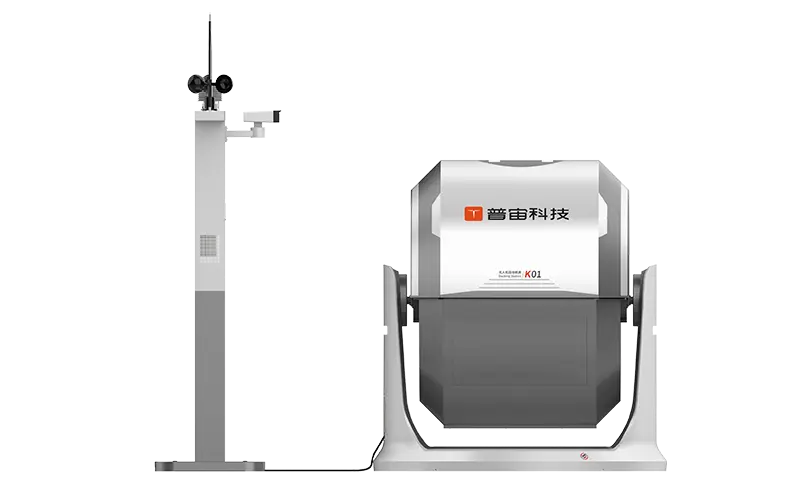 GDU
GDU
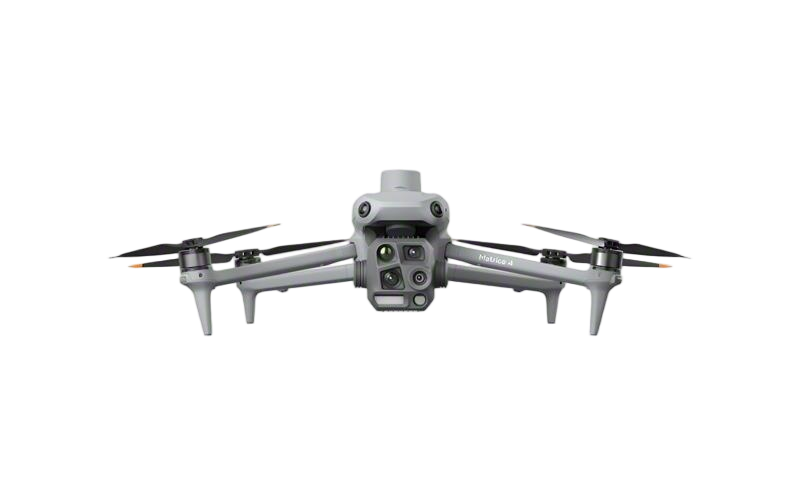 DJI
DJI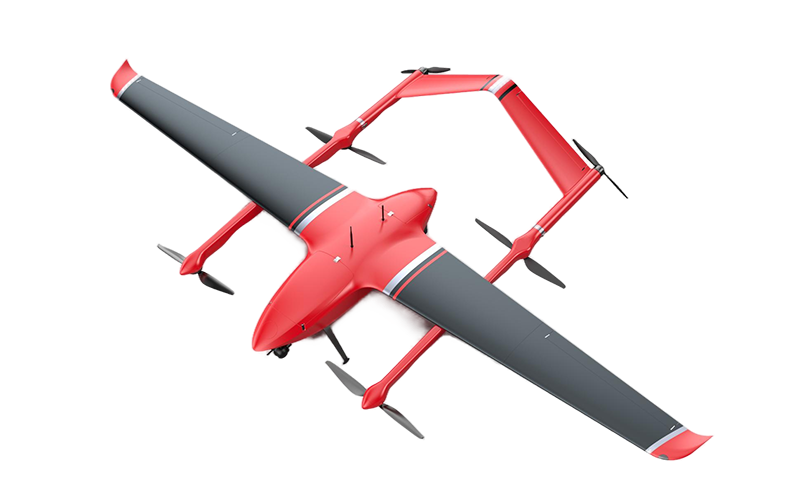 MMC
MMC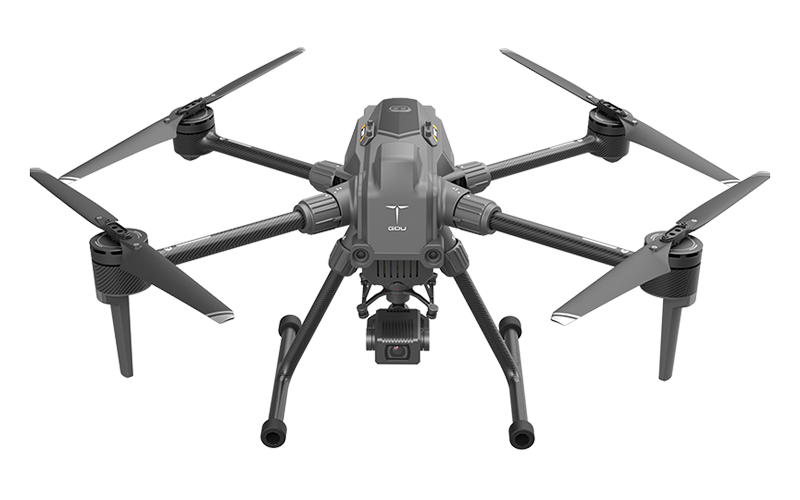 GDU
GDU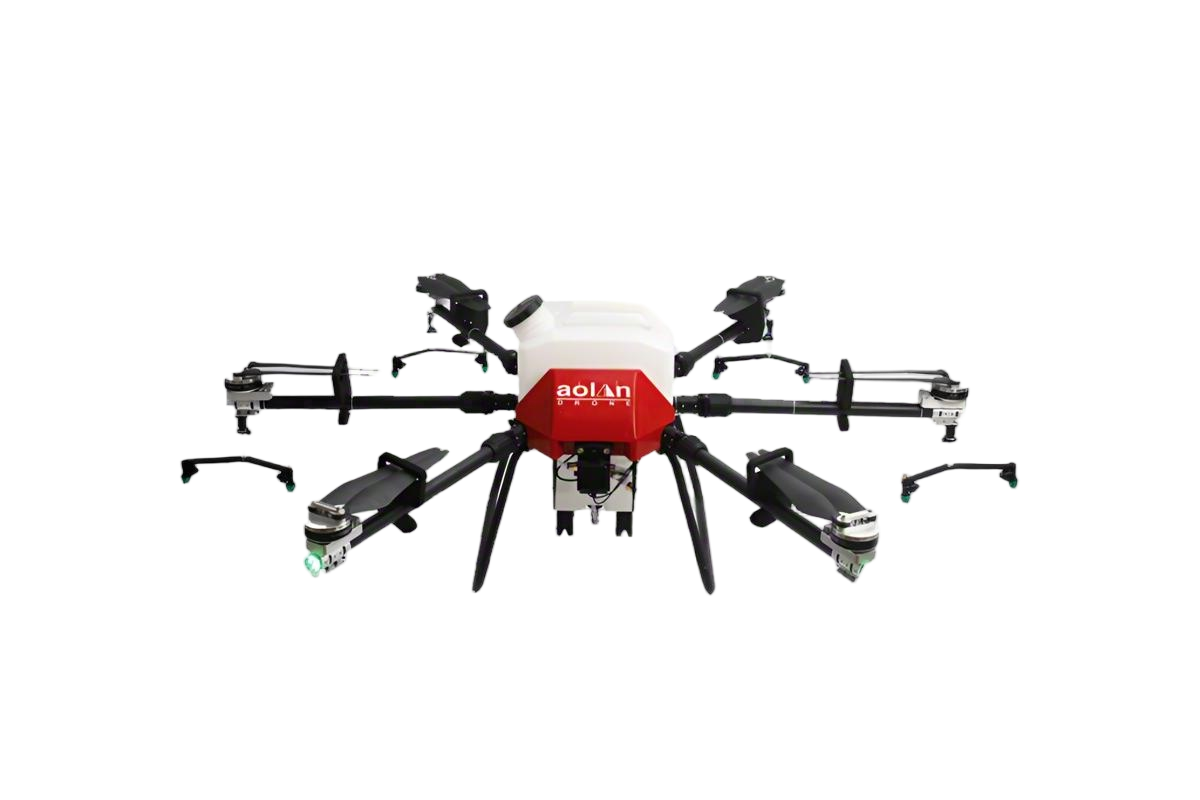 AOLAN
AOLAN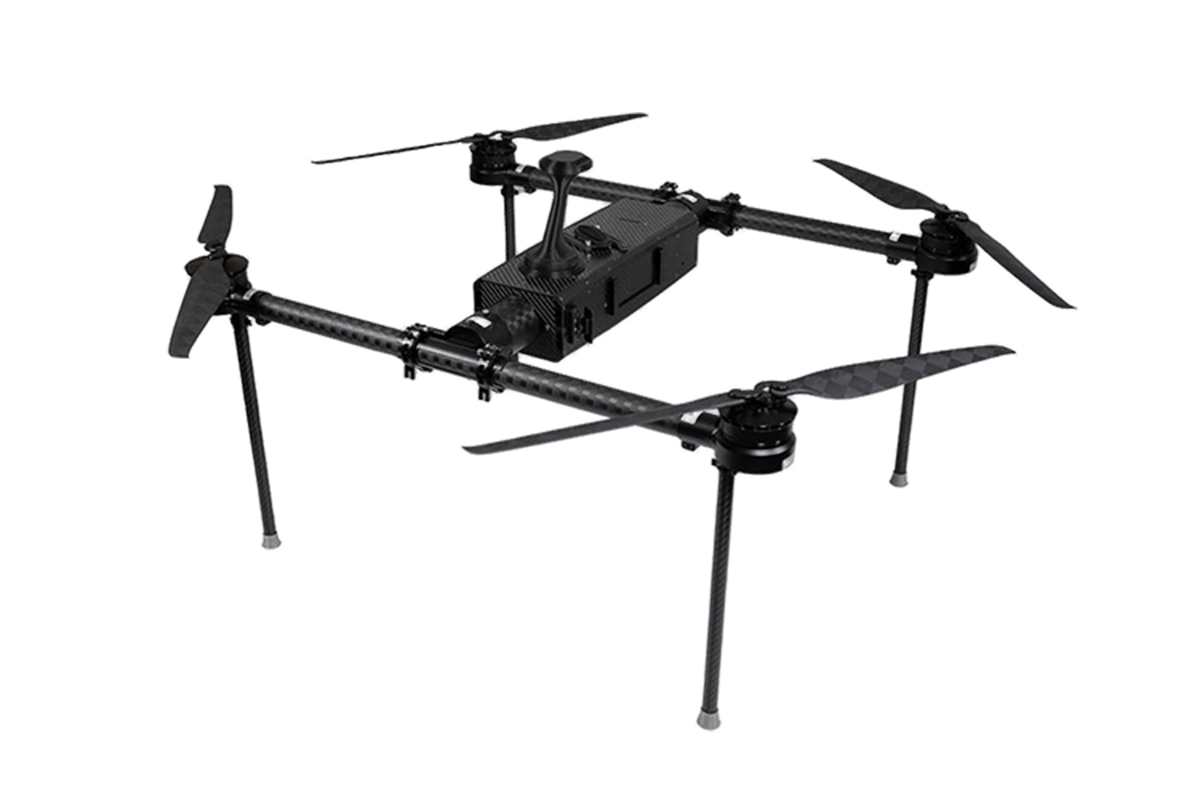 KEEL
KEEL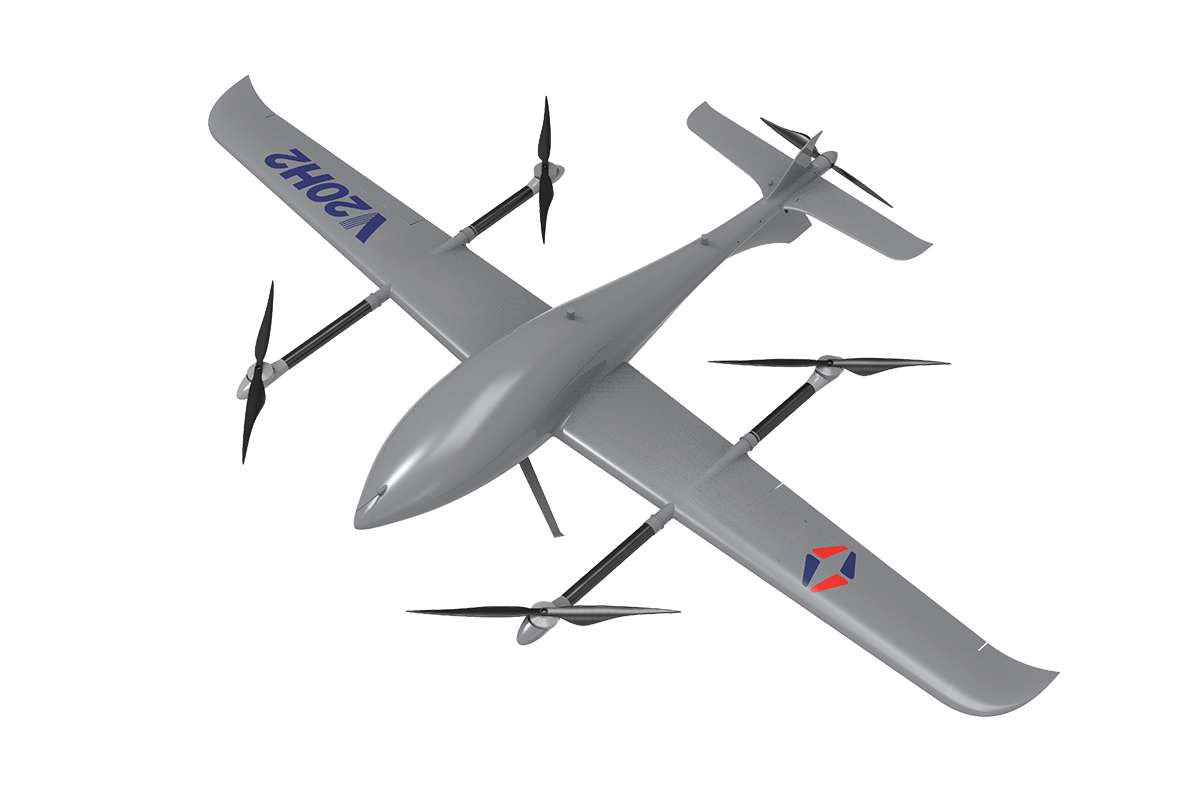 SKY NEXT


