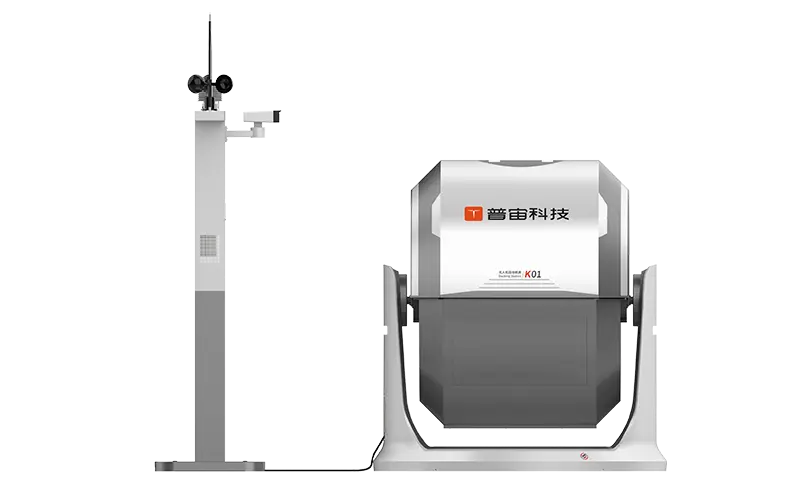
 GDU
GDU
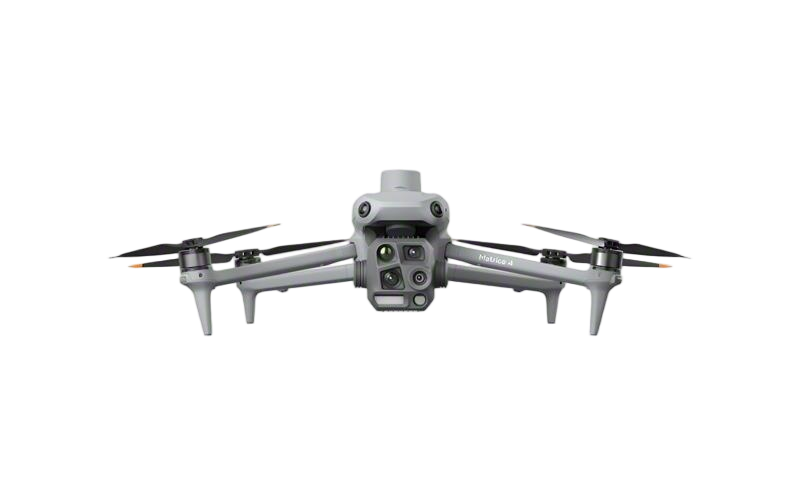 DJI
DJI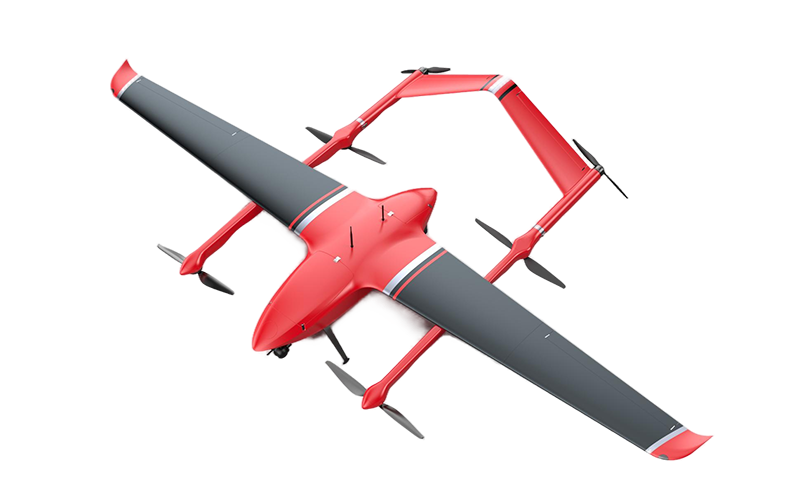 MMC
MMC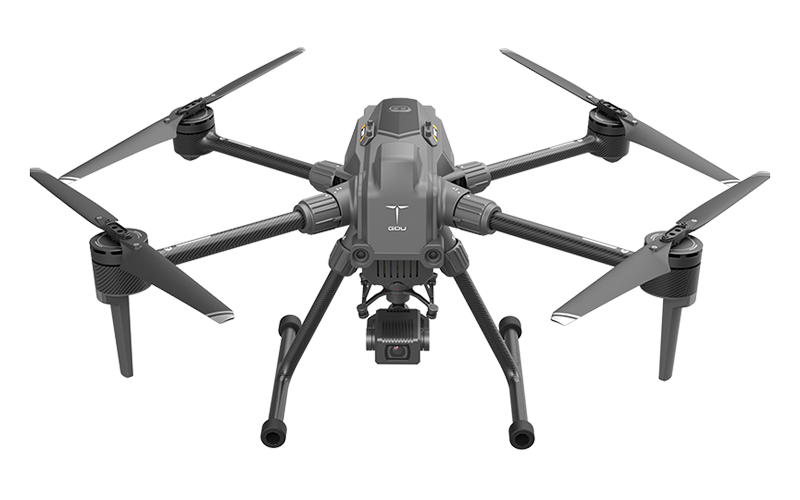 GDU
GDU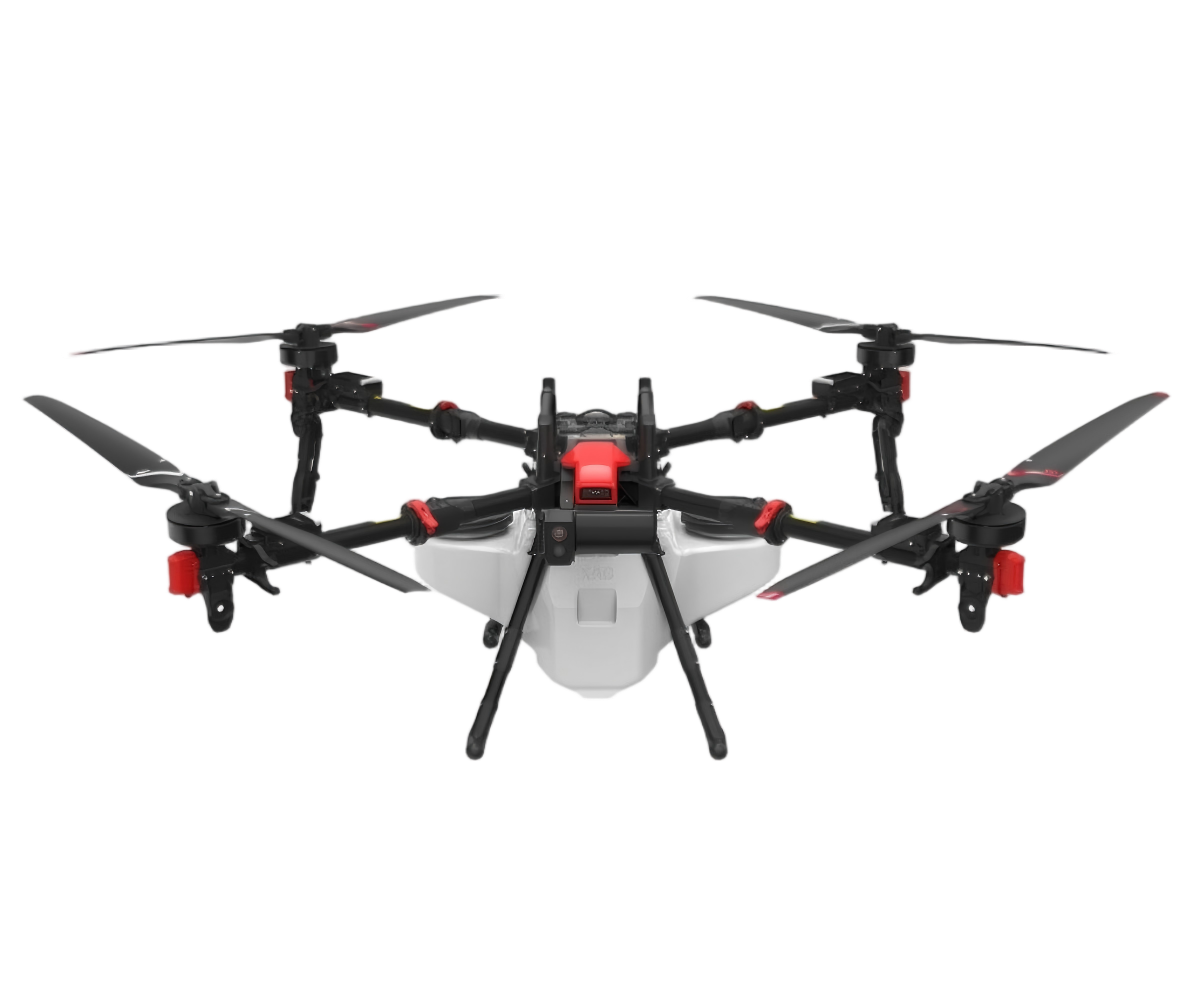 XAG
XAG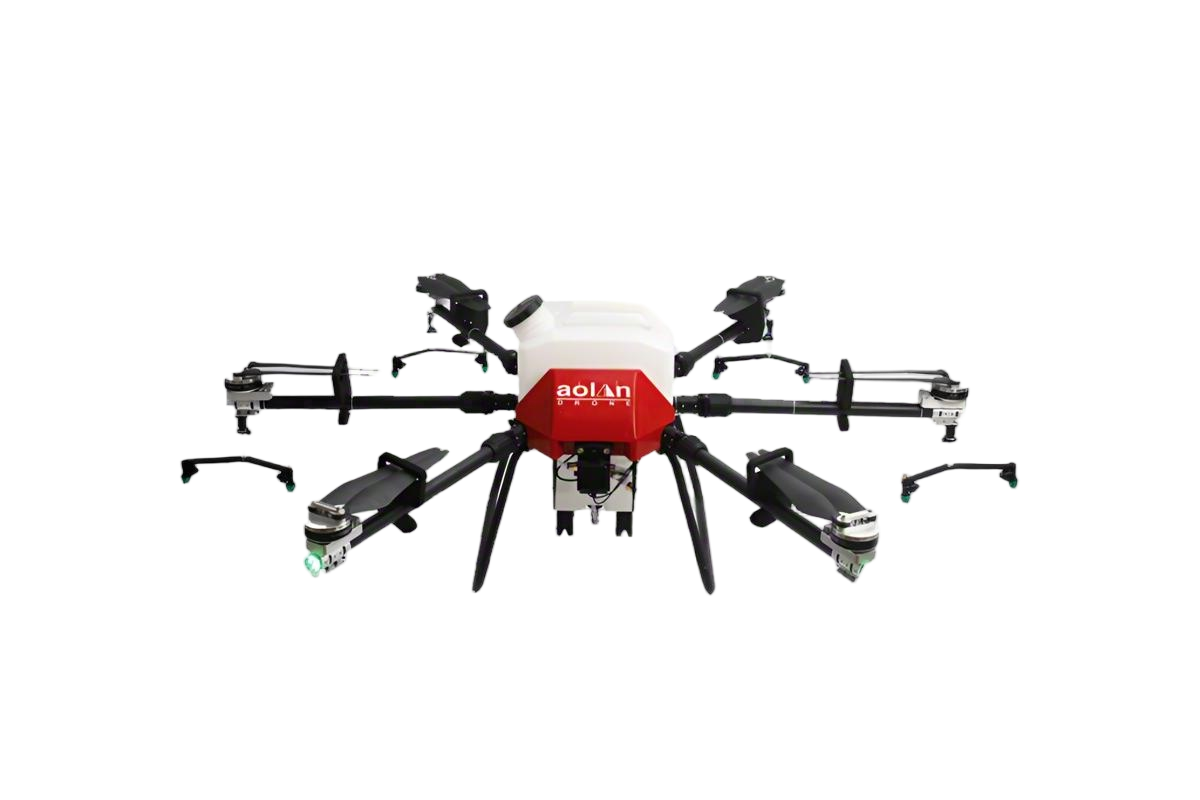 AOLAN
AOLAN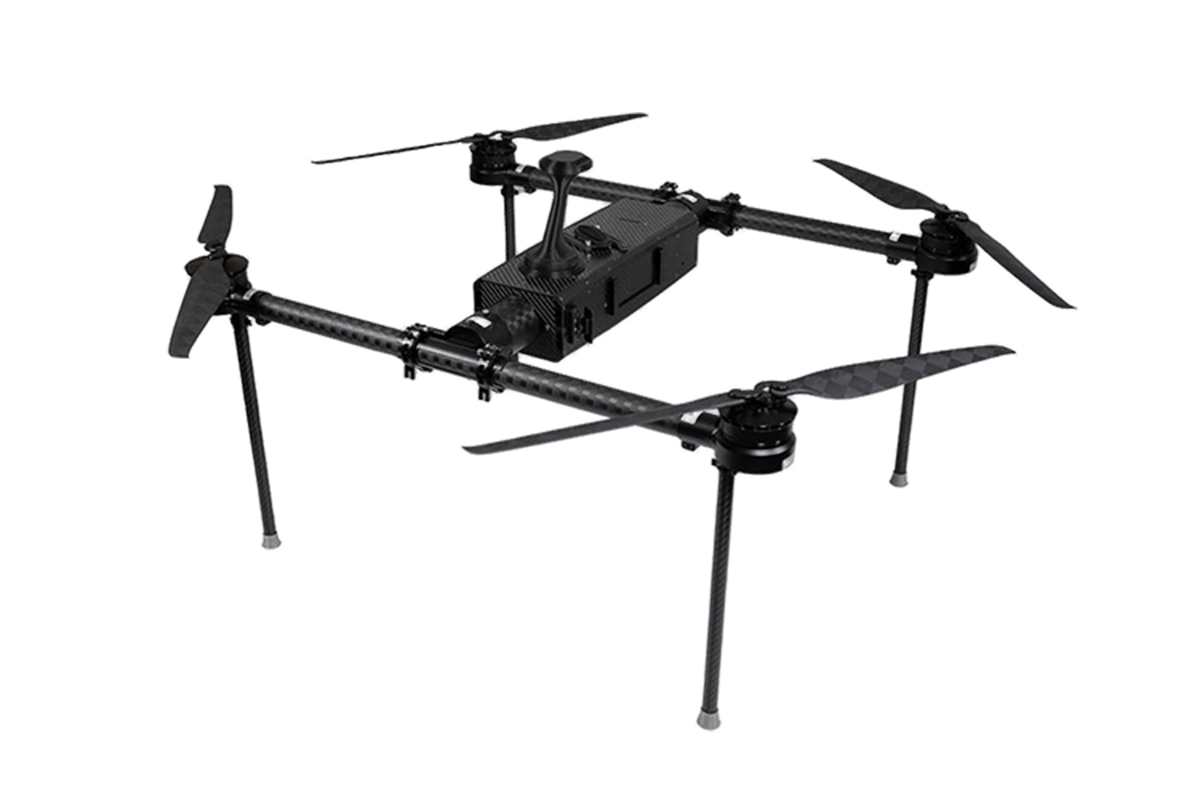 KEEL
KEEL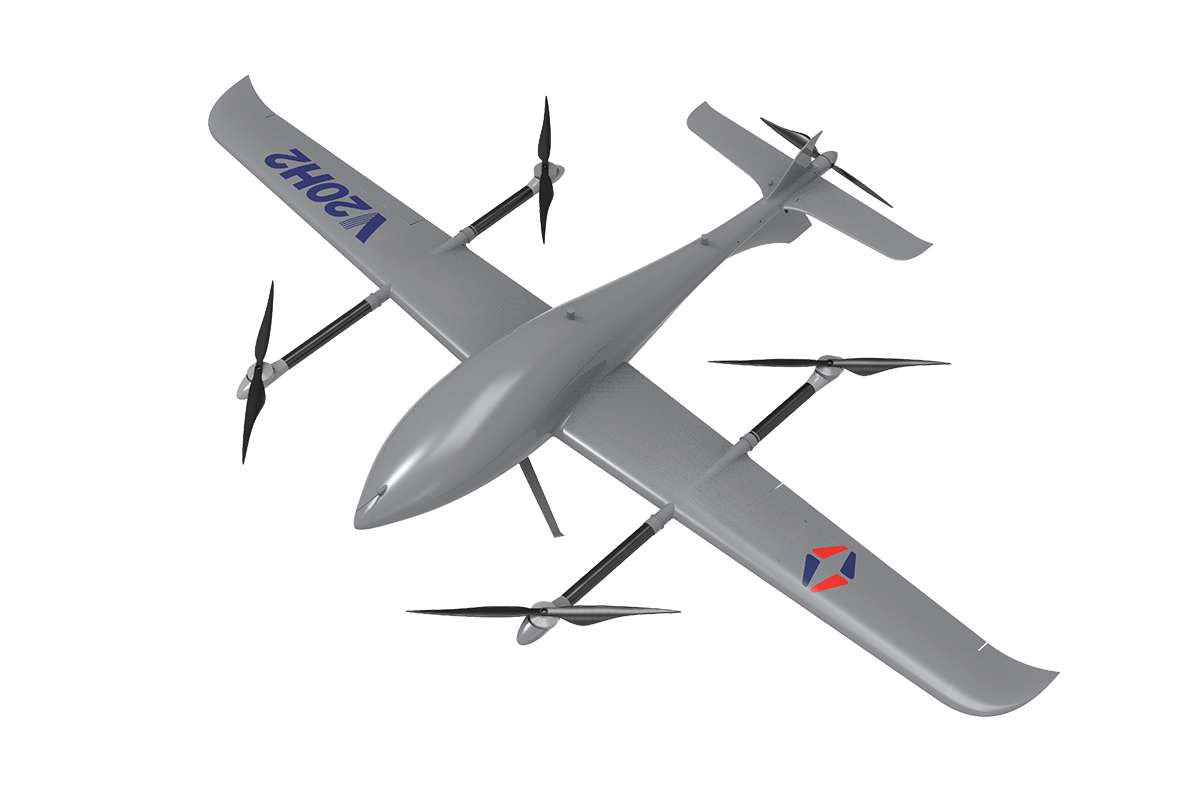 SKY NEXT
- DJI Matrice-4T
- DJI Matrice 4E Drone
- DJI Matrice 4TD
- DJI Matrice 30T
- DJI Mavic 3 Emterprise
- DJI Mavic 3M Multispectral Drone
- DJI RC 2 Plus Industry Plus
- DJI Matrice 4 Series Battery
- DJI Matrice 4D Series Batteries
- TB65 Intelligent Flight Battery
- TB100 Smart Flight Battery
- WB37 Battery
- DJI Accessories

Lately, enterprise drones have really shaken up a bunch of different industries. According to a report from Drone Industry Insights, the global drone market is expected to hit around $42.8 billion by 2025 — no small thing, right? These numbers just go to show how much drones are becoming a big deal in how businesses operate these days. Companies are increasingly using enterprise drones for stuff like surveys, inspections, and even logistics.
Take Amazon, for example — they’ve been working on drone delivery systems to make things more efficient and get orders to people quicker. But, of course, bringing drones into the mix isn’t without its headaches. There’s a lot to figure out when it comes to airspace rules and safety concerns. Experts like DJI say that for enterprise solutions to really work, you need a deep understanding of the industry and plenty of real-world testing.
Now, I won’t lie, not every attempt has gone perfectly. Early on, there were plenty of mistakes and setbacks—kind of par for the course, honestly. It’s important for organizations to learn from those hiccups if they want to make their drone strategies better. Going into this space should be done carefully, mixing some innovation with caution. If you do it right, there’s huge potential for businesses to really tap into what this tech can do.

Understanding the Role of Enterprise Drones in Modern Business Operations
Enterprise drones are revolutionizing modern business operations. Research from the Association for Unmanned Vehicle Systems International indicates that the use of drones in businesses is projected to exceed $100 billion globally by 2025. Industries such as agriculture, logistics, and construction are leading the way. Drones can enhance efficiency, reduce costs, and improve data collection. However, deploying drones isn't without challenges.
For example, many companies face integration issues. Drones must work seamlessly with existing systems. Ensuring data accuracy and security remains a major concern. Additionally, companies often struggle with regulatory compliance. The Federal Aviation Administration regulations can be complex. Navigating these laws requires time and expertise.
Despite these hurdles, the benefits can be substantial. Drones can reduce labor costs by automating tasks like surveying and mapping. They improve delivery times, increasing customer satisfaction. A report from Deloitte highlights that businesses utilizing drones can achieve a 15% increase in operational efficiency. Yet, companies must continually assess their drone strategies. Adjustments may be necessary as technology evolves.

Exploring the GDU S200: A Comprehensive Guide to the Dual-Camera Drone with RTK Module for Enterprise Solutions
The dual-camera drone with RTK module represents a significant advancement in enterprise solutions, offering unparalleled precision and operational efficiency. As industries increasingly leverage drone technology, the integration of Real-Time Kinematic (RTK) positioning elevates data accuracy levels to within centimeters. Recent industry reports indicate that the global commercial drone market is projected to reach $41 billion by 2026, emphasizing the growing demand for reliable and high-performance aerial solutions in fields such as agriculture, construction, and surveying.
The GDU S200 exemplifies this trend, serving as an industrial flagship equipped with advanced capabilities that cater to various applications. The dual-camera system allows for simultaneous imaging, enhancing the quality and range of the data collected. This feature is particularly beneficial for tasks requiring high-resolution imagery and precision analytics, which are critical in sectors such as environmental monitoring and infrastructure inspection. A comprehensive report from the Association for Unmanned Vehicle Systems International (AUVSI) highlights that drones equipped with RTK systems can enhance workflow efficiency by up to 30%, demonstrating their value in streamlining operations.
Additionally, the versatility of the dual-camera drone can significantly improve decision-making processes across various industries. By enabling detailed analysis and effective mapping, this technology facilitates better resource management and operational planning. As businesses continue to adopt innovative drone solutions, the emphasis on high-performance, accurate tools like the dual-camera RTK-equipped drones signals a new level of application in enterprise settings, fostering growth and transformation across multiple sectors.

FAQS
: Regular exercise improves overall health. It boosts mood and energy levels. It also enhances sleep quality.
Aim for at least 150 minutes of moderate exercise weekly. Spread it out over several days. Consistency is key.
A mix of cardio and strength training works best. Cardio burns calories, while strength builds muscle. Both are vital.
Consult a healthcare professional first. Many can safely exercise with adaptations. Listen to your body’s limits.
Bodyweight exercises are great. Try squats, push-ups, and lunges. Even short sessions can be effective.
Staying hydrated is crucial. Water helps maintain performance and prevents fatigue. Drink before, during, and after exercise.
Opt for a light snack. Foods like bananas or yogurt provide energy. Avoid heavy meals that can cause discomfort.
Rest days are vital for recovery. Skipping them can lead to burnout or injuries. Balance is necessary for progress.
Set small, achievable goals. Track your progress and celebrate wins. Finding a workout buddy can also boost motivation.
Change takes time. Focus on feeling better rather than quick results. Reflect on your progress regularly, even if it feels slow.
Conclusion
Enterprise Drones are transforming modern business operations by enhancing efficiency across various industries. Understanding their role begins with acknowledging the key sectors benefiting from drone technology, such as agriculture, logistics, and construction, where data-driven insights have propelled operational advancements. A comprehensive cost-benefit analysis reveals that the integration of drones not only reduces operational costs but also improves accuracy and speed in service delivery.
Navigating the regulatory framework for commercial drone use is essential for businesses looking to adopt this technology. Through effective data collection and analysis, Enterprise Drones support enhanced decision-making processes. Real-world case studies illustrate successful implementations across different sectors, showcasing tangible benefits. As drone technology continues to evolve, businesses can anticipate future trends that will further innovate applications, making Enterprise Drones an indispensable tool for operational efficiency and competitive advantage.
Related Posts
-

Top 5 Enterprise Drones Transforming Business Operations?
-

10 Expert Tips for Choosing the Best Professional Drones for Your Needs
-

How to Choose the Best Commercial Drones for Your Business?
-

How to Choose the Right Enterprise UAV for Your Business?
-

2026 Best Industrial Drones for Aerial Surveys and Inspections?
-

What Are the Best Professional Drones for Aerial Photography?
