0%

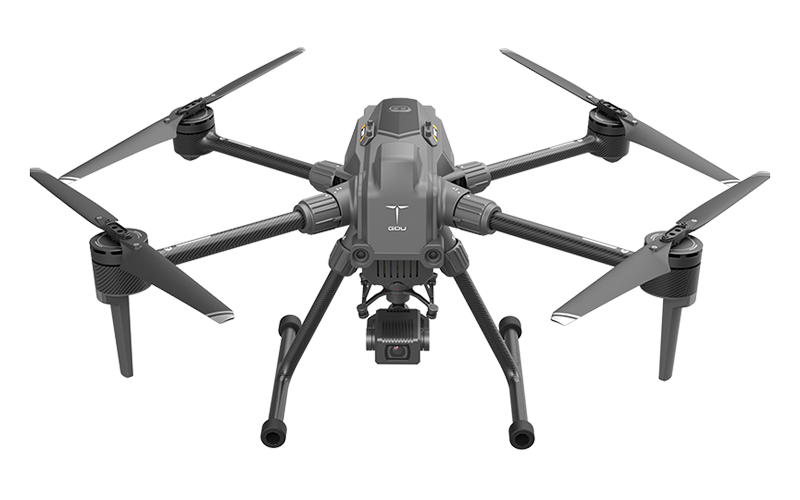
Thermal drones have really started to change the game across a bunch of different industries. I saw in this report from MarketsandMarkets that the thermal imaging market is expected to hit around $10.3 billion by 2025—that's pretty impressive! A big reason for this boom is how much more we’re relying on this kind of tech for serious applications.

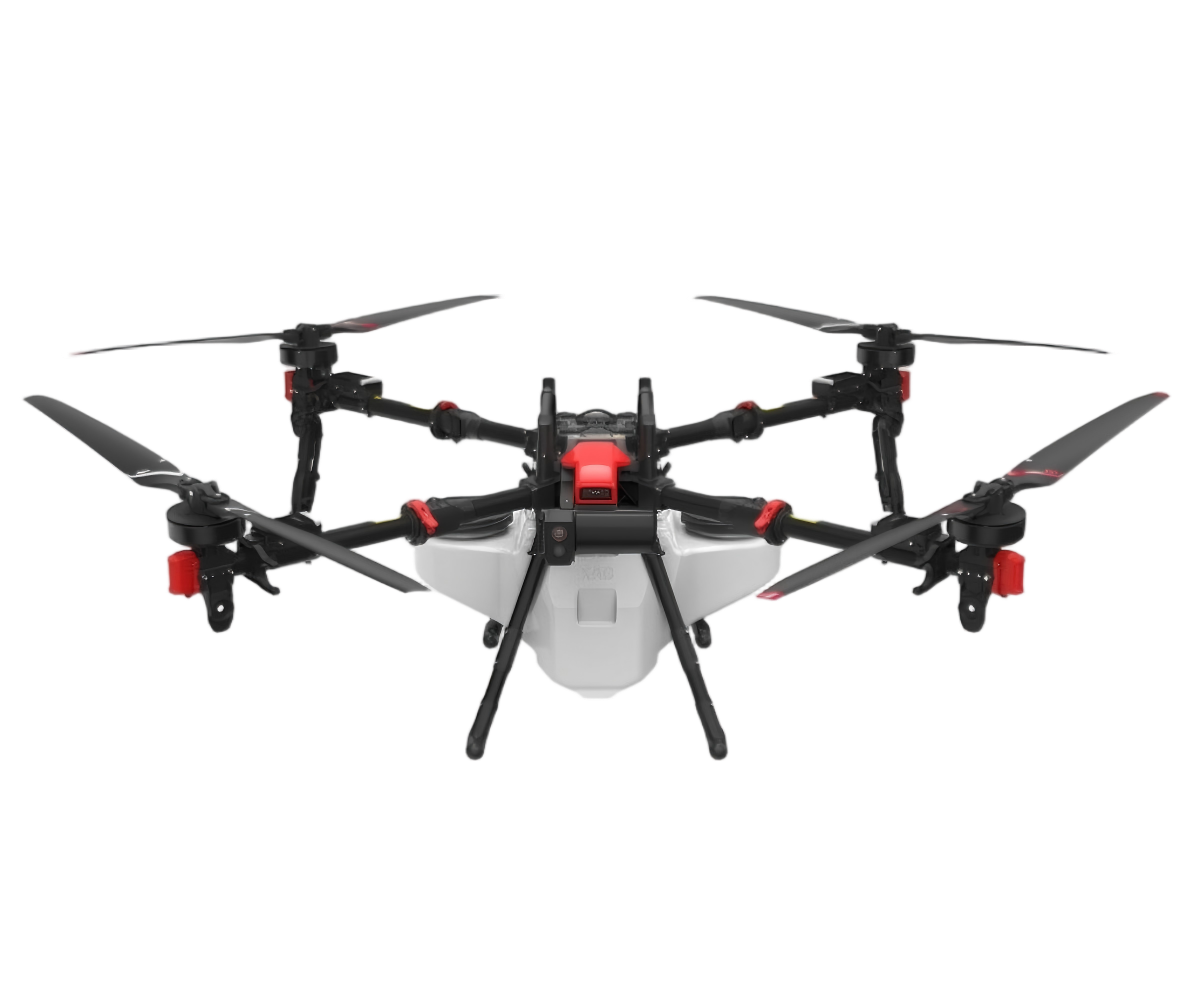
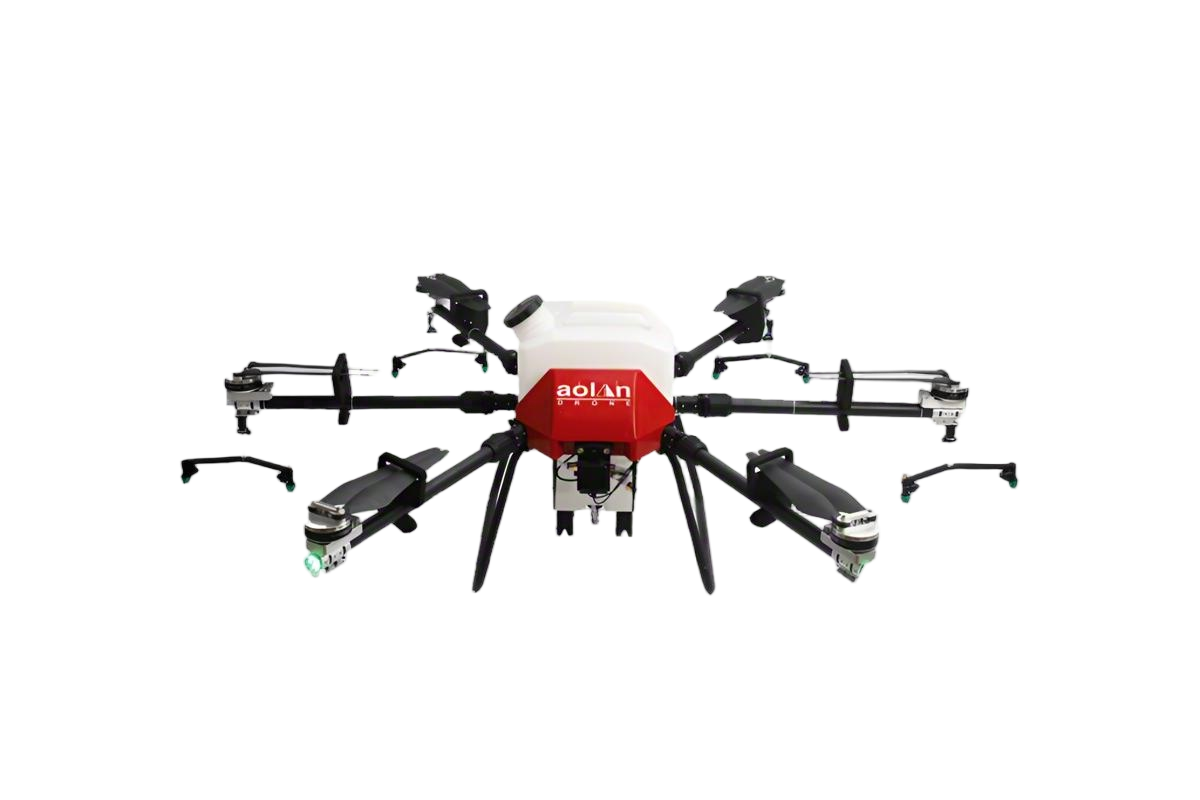
Take agriculture, for example. Farmers are now using thermal drones to keep an eye on their crops more easily. They can spot issues with irrigation or plants that are under stress—stuff that might’ve been hard to see before. This helps them get better yields and use resources smarter. And then there’s the insurance world—companies like Geico are actually using these drones to check out damages more accurately. But, honestly, a lot of folks forget how important calibration is. If your drone isn't properly calibrated, you'll get some pretty misleading info, and that kinda defeats the purpose.

It’s also crucial for users to tweak their approach based on where they’re flying and what the weather’s like. Different conditions can really affect how well thermal imaging works. So, it pays to get familiar with your gear, keep learning, and don’t be afraid to make adjustments along the way. By doing all this, you can really boost how efficiently you’re using thermal drones—that's the key to getting the most out of them.

Top Tips for Using Thermal Drones Effectively?

Understanding the Fundamentals of Thermal Imaging Technology in Drones

Top Tips for Using Thermal Drones Effectively?

Thermal imaging technology captures infrared radiation. It transforms heat signatures into visible images. This capability is invaluable in various applications. For instance, it can detect heat loss in buildings or identify overheating components in machinery. The images generated can reveal issues that are not visible to the naked eye.

When operating thermal drones, understanding temperature ranges is crucial. Different materials emit infrared radiation differently. For example, metal reflects thermal energy while wood absorbs it. A drone operator must analyze these characteristics to interpret data correctly. Sometimes, the results can be misleading. A cold surface might appear hot due to environmental factors, leading to erroneous conclusions.

Learning to adjust the sensitivity settings on thermal drones can also enhance effectiveness. High sensitivity captures subtle heat variations, while lower sensitivity simplifies the image. It can be easy to overlook this fine-tuning. Finding the right balance is essential for accurate readings. The complexities of thermal imaging require ongoing practice and reflection, especially in challenging environments.

Key Advantages of Thermal Drones in Environmental Monitoring and Inspections

Thermal drones have become essential tools in environmental monitoring. They capture heat signatures from various sources, providing crucial data. This capability allows for effective tracking of wildlife and detecting changes in habitats. For instance, unusual heat patterns can indicate irregular activity, such as animal migrations or potential poaching.

Conducting inspections with thermal drones offers distinct advantages. They can quickly assess the integrity of structures, revealing heat leaks in buildings or detecting hot spots in electrical systems. Using drones reduces the need for human presence in dangerous environments. However, operators must be aware of limitations, like varying weather conditions affecting performance.

Operational challenges exist. Inaccurate readings can result from thermal noise or interference from nearby heat sources. It is essential for drone operators to analyze data carefully. Experience is vital to improve accuracy and reliability when interpreting thermal images. Learning from errors can enhance future inspections significantly.

Best Practices for Calibrating Thermal Sensors for Accurate Data Capture

Calibrating thermal sensors is crucial for accurate data capture. Proper calibration ensures the reliability of thermal drone imaging. If thermal sensors aren't correctly set, data can be misleading. Reports indicate that improper calibration may lead to errors of up to 30%. This affects decision-making in industries like agriculture and infrastructure.

To begin with, verify the calibration settings of your thermal sensors. The ambient temperature can influence readings. Conduct checks frequently, especially before critical flights. Use known temperature references to validate sensor accuracy. This step can often be overlooked in the excitement of capturing data.

Consider maintaining a calibration log. Document every calibration session, the conditions, and the results. This practice helps identify when recalibration is necessary. Consistency in recording can reveal patterns, such as recurring inaccuracies. Remember, a small error in calibration can lead to significant discrepancies in analysis. Staying vigilant and precise with calibration will enhance overall outcomes.

Top Tips for Using Thermal Drones Effectively

Tip Description Importance Level
Calibrate Sensors Regularly Ensure accurate temperature readings by calibrating thermal sensors before each flight. High
Understand Environmental Conditions Be aware of weather conditions as they affect thermal readings; avoid flying in high winds or rain. Medium
Optimize Flight Path Plan a flight path that ensures full coverage of the area to capture all necessary data. High
Use High-Resolution Imaging Select high-resolution thermal cameras for clearer images and more detailed analysis. High
Post-Flight Data Analysis Conduct thorough analysis of thermal data after each flight to identify trends or anomalies. High
Maintain Drone Hardware Regularly check and maintain drone components to prevent technical failures during operation. Medium

Optimal Flight Conditions for Effective Thermal Imaging Applications

Optimal flight conditions are crucial for effective thermal imaging with drones. Warm, clear nights offer the best opportunities. During these times, heat signatures are more distinct. This enhances the clarity of the thermal images captured. Flying at lower altitudes can improve detail but may introduce challenges. Obstacles like trees and buildings might obstruct the view.

Wind can also affect thermal imaging performance. Calm days are preferable. Turbulent air can disrupt the drone's stability. This can lead to blurred images. Understanding the ambient temperature is important too. A sharp temperature difference between objects can yield clearer thermal readings. It may be necessary to wait for ideal conditions. Rushing can lead to poor imaging results.

Having a solid plan is essential. Identifying specific targets before takeoff can streamline the process. However, remember that conditions might change unexpectedly. Be prepared for adjustments in flight plans. The success of thermal imaging doesn't solely rely on technology. Knowledge and patience play significant roles too.

Interpreting Thermal Images: Tips for Accurate Assessment and Analysis

Thermal imaging is a powerful tool. However, interpreting these images requires careful analysis. Start by understanding heat signatures. Different materials emit heat differently. For instance, metals can appear very bright while vegetation often shows up cooler. This discrepancy can affect your assessment.

When analyzing thermal images, look for patterns. Hot spots might indicate issues like leaks or equipment failures. Yet, be wary of false positives. Environmental factors like sunlight can skew your readings. Always cross-reference with other data to ensure accuracy. Pay attention to the temperature scale. A small mistake here can lead to incorrect conclusions.

It's easy to misinterpret thermal data. Always confirm findings with additional checks. This might include visual inspections or other testing methods. Sometimes, what seems obvious may not be accurate. Being critical of your analysis can improve overall results. Embrace a mindset of continual learning as you work with thermal drones.

Safety Considerations for Operating Thermal Drones in Various Environments

Operating thermal drones requires careful consideration of safety, especially in diverse environments. For instance, when flying near power lines, maintain a safe distance to avoid accidents. It's crucial to understand local regulations. If you overlook these rules, it could lead to significant issues.

In dense forests, visibility can drastically decrease. Pilots should ensure a reliable communication line with ground teams. Weather conditions also impact safety. High winds can make stabilization challenging. In urban areas, interference is common. Buildings can distort thermal readings, leading to inaccurate data.

Battery life is another factor. Always check your drone's battery before a flight. A sudden power loss could lead to crashes. Create a pre-flight checklist to avoid overlooking important details. Reflecting on these aspects will enhance your drone operation skills and ensure safety.

Top Tips for Using Thermal Drones Effectively

This chart displays the effectiveness of thermal drones across various environments. The data highlights safety considerations and optimal usage tips based on environmental conditions.

Case Studies: Successful Applications of Thermal Drones in Various Industries

Thermal drones have transformed many industries. In agriculture, they help monitor crop health. Farmers can detect temperature variations. This information reveals irrigation needs and pest infestations. A study showed crop yields improved by over 20% using thermal data. However, some farmers struggle with data interpretation. They may miss valuable insights.

In search and rescue operations, thermal drones identify body heat in challenging conditions. They have saved lives, especially in rugged terrains. One notable case involved locating a missing hiker in dense forests. Yet, thermal imaging can be affected by environmental factors. Rain or humidity can obstruct readings. Teams must adapt quickly and rely on traditional methods too.

In infrastructure inspection, thermal drones spot energy inefficiencies. They highlight heat loss in buildings or faulty electrical systems. A notable case featured a drone finding issues in an extensive power grid. Yet, the analysis of data requires time. Engineers must assess findings thoroughly to avoid oversights. Misinterpretation can lead to costly repairs.

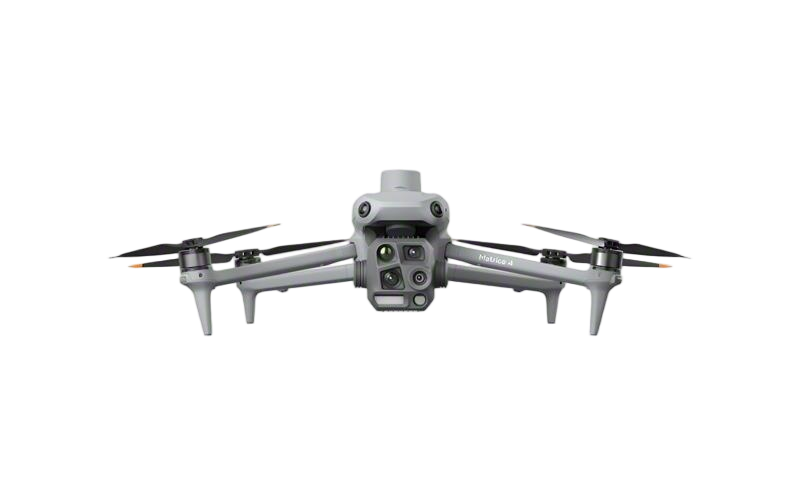
Revolutionizing Aerial Thermal Imaging: The DJI Matrice 4T and DJI Care Enterprise Explained

Aerial thermal imaging has taken a significant leap forward with the latest innovations in drone technology. The integration of dual visible and thermal imaging capabilities provides unparalleled precision for inspections across various industries, including energy, infrastructure, and agriculture. Utilizing advanced sensor technology, these systems can capture high-resolution thermal images and detailed visual data simultaneously, enabling users to detect anomalies and assess conditions efficiently.

According to industry reports, the demand for thermal drones has surged, with the global thermal imaging market expected to reach approximately $9 billion by 2025. This growth is driven by the need for reliable inspection tools that can operate in challenging conditions and deliver actionable insights quickly. The combination of thermal imaging with aerial capabilities facilitates inspections of power lines, solar farms, and building envelopes, making it possible to identify issues such as overheating equipment or moisture intrusion before they develops into costly problems.

Furthermore, the reliability and safety of drone inspections are enhanced through intelligent flight planning and automated data collection, minimizing human error and improving data accuracy. This technological advancement not only streamlines operational workflows but also significantly reduces the time required for inspections, offering a clear advantage in fast-paced industries where efficiency and accuracy are paramount. As aerial thermal imaging continues to evolve, it stands poised to revolutionize the way we approach inspections, leading to smarter, safer, and more efficient operations across multiple sectors.

FAQS

: What is the main purpose of this service?

: This service aims to provide users with reliable information and support. It focuses on various needs and inquiries.

How can I access the service?

You can access it online via a website or app. Just make sure you have a stable internet connection.

Is there a fee for using this service?

Most features are free to use. Some advanced options may require a small fee. Always check before proceeding.

What information do I need to provide?

You may need to submit personal details for registration. Ensure your information is accurate for a smooth experience.

How is my data protected?

Data protection measures are in place. However, no system is perfect, so always remain cautious. Your awareness matters.

Can I get assistance if I encounter problems?

Yes, customer support is available. You can reach out through chat or email for help with any issues.

What if the service is not meeting my needs?

Feedback is important. If the service doesn’t meet your expectations, let them know. It helps improve the platform.

How long does it take to receive a response?

Response times can vary. Generally, you can expect a reply within a few hours. Patience is sometimes needed.

Are there any restrictions on usage?

Users must adhere to guidelines. Misuse can lead to suspension or termination of access. Always follow the rules.

Can I modify my account information?

Yes, you can update your details easily. However, ensure changes are necessary and accurate. Mistakes can complicate things.

Conclusion

The article "Top Tips for Using Thermal Drones Effectively" provides a comprehensive overview of how to harness the capabilities of thermal drones for various applications. It begins with a foundational understanding of thermal imaging technology that underlies drone operations, highlighting its significance in environmental monitoring and inspections. By elucidating the key advantages of thermal drones, the article emphasizes their role in detecting heat differences, which can be crucial for identifying issues like energy loss or wildlife tracking.

Furthermore, the article outlines best practices for calibrating thermal sensors to ensure accurate data capture, along with optimal flight conditions that enhance the effectiveness of thermal imaging applications. It also offers guidance on interpreting thermal images for precise assessment and analysis while addressing safety considerations when operating these drones in diverse environments. Through case studies, readers can see successful applications of thermal drones across various industries, showcasing their versatility and the importance of informed usage.

Sophia

Sophia

Sophia is a dedicated marketing professional with a deep expertise in UAV systems, specializing in the creation of repeatable, traceable, and compliant solutions. With a strong focus on integrated innovation across hardware, algorithms, and data operations, she plays a pivotal role in enhancing the......
Previous 2025 How to Use Inspection Drones for Efficient Building Maintenance