0%

Picking out the right professional drone can actually be kinda tricky, you know? There are just so many options out there, and it’s super important to really think about what you need. Different industries have different features in mind—like, if you’re into aerial photography, you’ll want a drone with a high-res camera, but for farming stuff, you might need advanced sensors. It’s all about figuring out what fits your situation best.

Take your time pasting through different models. Brands like DJI and Parrot are pretty popular, and each one offers unique features that might hit the spot for you. Things like flying time, payload capacity, and how far the drone can go—those are all key points to keep in mind. I get it though, all those specs can get pretty overwhelming.

Don’t be afraid to ask around or even test some models out yourself if you can. Hearing what other users have to say can really open your eyes to what’s important. Also, think about what matters most to you—are you after durability, ease of use, or that killer camera quality? Finding the right balance in these areas will help point you in the right direction.

How to Choose the Best Professional Drones for Your Needs?

Understanding Your Drone Requirements for Professional Use

How to Choose the Best Professional Drones for Your Needs?

Choosing the right professional drone can be challenging. Understanding your specific needs is crucial. Start by defining the purpose of your drone. Will you use it for aerial photography, surveying, or inspections? Each requirement demands different features.

Consider the payload capacity. If you plan to carry a high-resolution camera, ensure the drone can handle the weight. Flying time is another vital aspect. Some drones only offer short flight durations, which might not suit your projects. Think about the environment too. Is it open space or a crowded area? Drones have different performance in varied conditions.

Don’t overlook the importance of ease of use. Some drones come with advanced features but have steep learning curves. You might find yourself frustrated during your initial flights. Think about like battery life and maintenance. A drone may seem perfect on paper but could require frequent upkeep. As you weigh these details, reflect on what truly matters for your professional needs.

Key Features to Consider When Choosing a Professional Drone

When choosing a professional drone, consider several key features that cater to your specific needs. Flight time is crucial. A drone with a longer battery life allows for extended sessions in the sky, essential for capturing those perfect shots. Consider drones that offer at least 20 to 30 minutes of flight time. This minimizes interruption during important projects.

Camera quality is another vital factor. Look for drones equipped with high-resolution cameras, preferably 4K or higher. This ensures that your footage is sharp and detailed, making it suitable for professional use. Stabilization features can also enhance your video quality, providing smooth results even in windy conditions.

Tips: Think about your filming environment. If you often shoot in crowded areas, a compact drone may be beneficial. Investigate the range of the drone as well. Some models offer longer distances, allowing you to explore new angles. Don't overlook ease of use; a drone with intuitive controls can save you time, especially if you're a beginner.

Comparing Different Types of Professional Drones Available

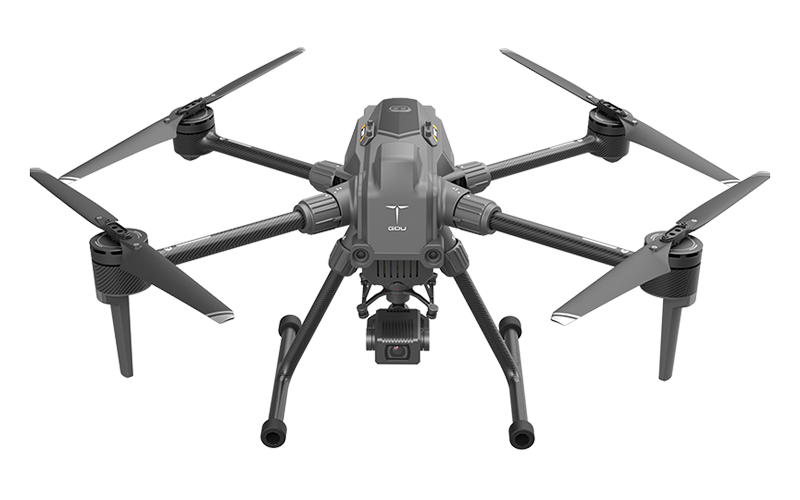
When selecting a professional drone, consider the specific requirements for your projects. Different types of drones serve various purposes. For aerial photography, you may need a drone with a high-resolution camera. If your goal is surveying land, look for a drone with precise GPS capabilities.

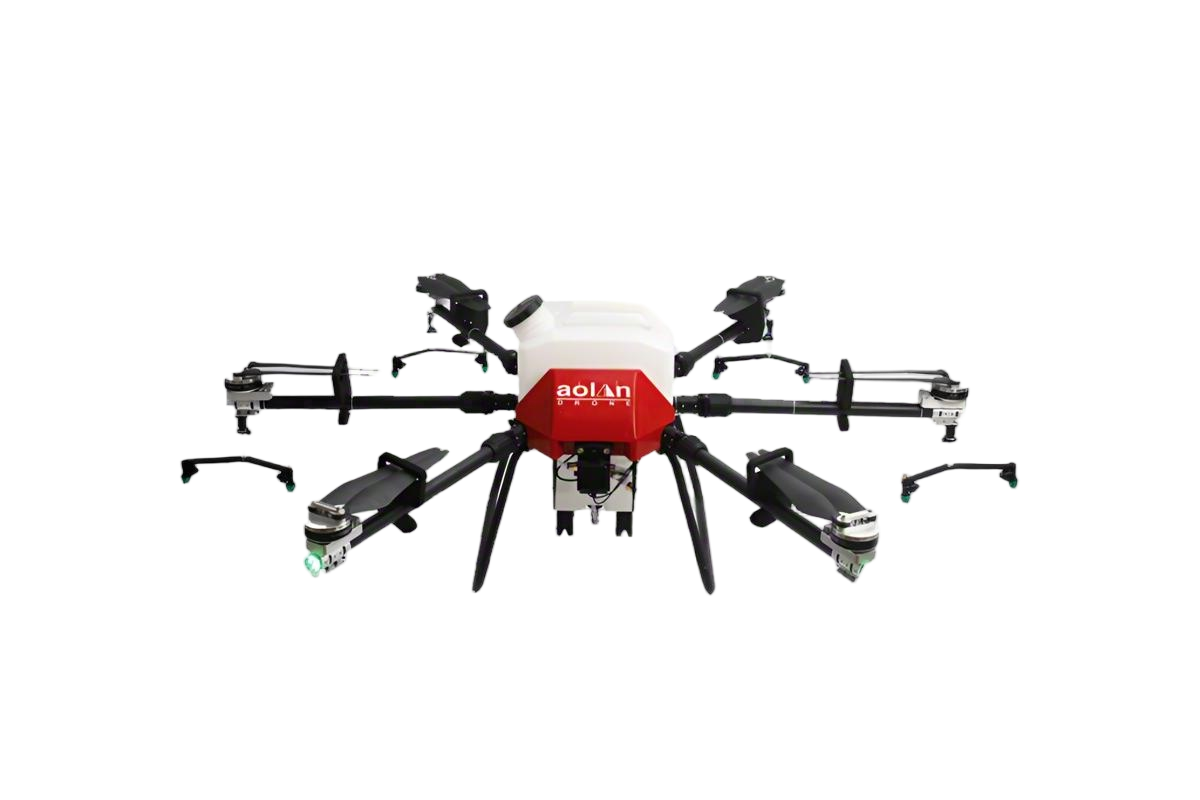
The size and weight of the drone also influence its performance. Smaller drones are easier to transport but may lack some advanced features. Larger ones often carry more equipment but require more setup time. Think about your typical work environment. Harsh conditions may necessitate a more rugged model.

Battery life varies significantly among drones. Some may last only 20 minutes, while others can fly for an hour or more. This can be a crucial factor, especially for extensive projects. Reflect on your needs carefully. Mismatched capabilities can lead to frustrations. You want a drone that truly fits your projects, not just the latest trend.

Evaluating Camera Quality and Payload Capacity

When choosing a professional drone, camera quality and payload capacity are crucial. The camera's resolution affects image clarity. A higher resolution results in more detail, which is vital for aerial photography. Also, consider the lens quality. A good lens captures vibrant colors and sharp images, even in challenging lighting. However, not all drones excel in these areas. You might find some models lacking in low-light performance.

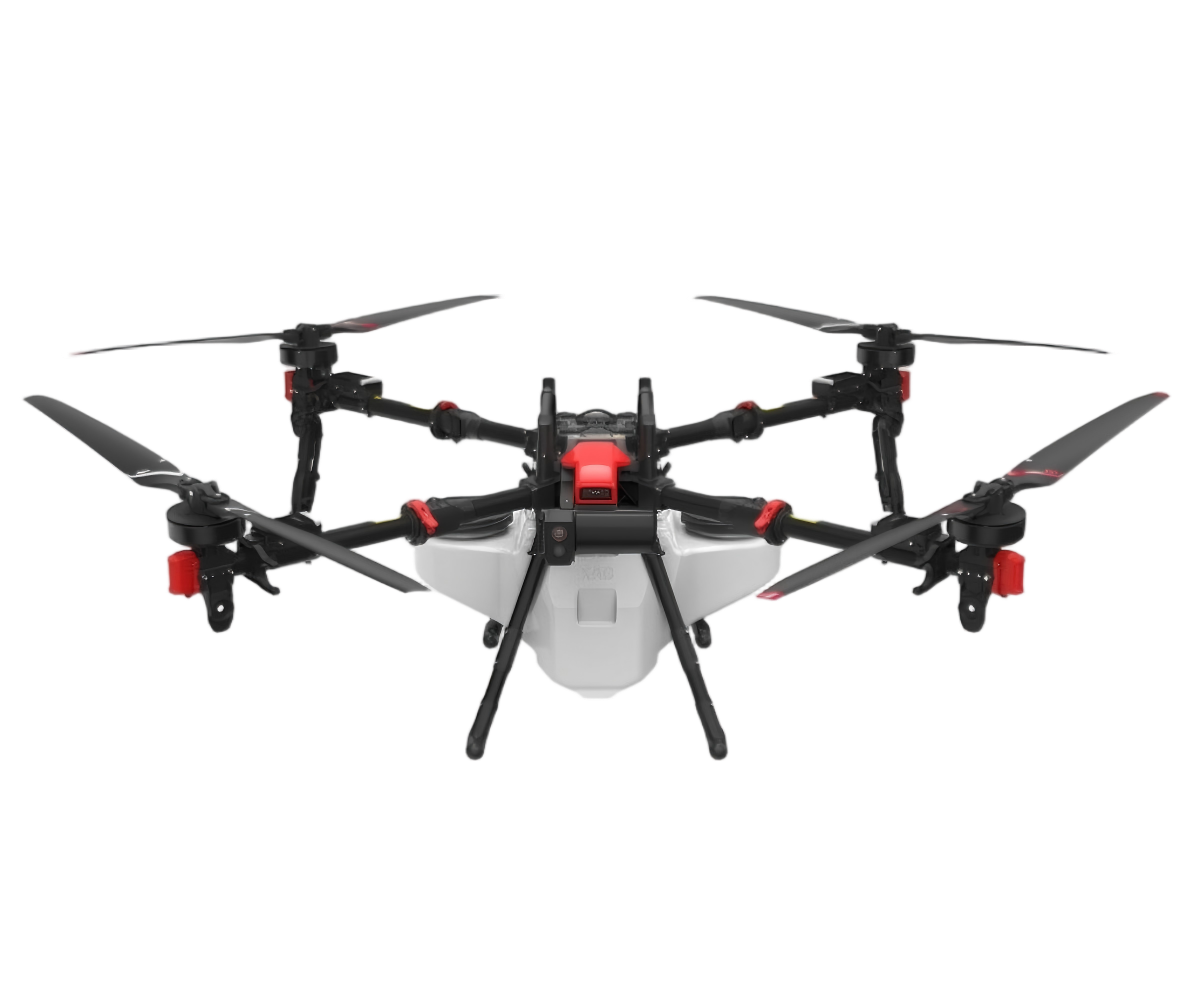
Payload capacity is another important factor. It defines what additional equipment you can carry. Some drones handle larger payloads well, allowing for heavier cameras or sensors. This flexibility is crucial for tasks like surveying or film production. Yet, drones with high payload capacities can be bulkier. It's a balance between capability and ease of use. Sometimes, you may realize that a lighter drone better suits your needs despite its limitations.

Prioritize what features matter most for your specific use. Research various models thoroughly to understand their strengths and weaknesses. Don’t overlook user reviews; they often highlight real-world performance. This insight can help avoid disappointment later on. Remember that the best drone for you might not be the one with the most features.

Assessing Flight Time and Battery Life in Drones

When selecting a professional drone, understanding flight time and battery life is crucial. Flight time refers to how long the drone can operate on a single charge. Most drones in the market offer flight times ranging from 20 to 40 minutes. This variation can heavily influence your project planning. For documentary filming, longer flight times are favorable. Shorter flights may interrupt critical moments.

Battery life is another key factor. It is essential to consider how quickly a drone’s battery can charge while ensuring it won’t fail during use. Some models take less than an hour to recharge, which can significantly impact workflow. However, others may take several hours. Additionally, consider how temperature affects battery performance—cold weather can deplete batteries rapidly.

Lastly, assess your specific needs. If you often operate in remote areas, carrying extra batteries becomes necessary. On the other hand, frequent recharging can disrupt workflow. It's vital to find a balance that fits your mission requirements. Reflection on your usage patterns will guide you in optimizing your choice of drone effectively.

Budget Considerations: Finding the Best Value for Your Needs

How to Choose the Best Professional Drones for Your Needs?

When considering purchasing a professional drone, budget often plays a crucial role. Industry reports indicate that the average cost for high-quality drones ranges from $1,000 to $3,000. However, some models can exceed $10,000 depending on features. Understanding your specific needs will prevent overspending. Features like camera quality and flight time can significantly affect price.

It’s important to evaluate essential functions. Basic drones may do the job for simple photography but lack advanced capabilities. If you need thermal imaging or high-resolution sensors, costs will rise. In 2022, nearly 40% of drone users reported investing more than $2,000 on their equipment, seeking the best balance of cost and functionality.

Planning is key. Reflect on your requirements before making a decision. Identify your primary use—be it surveying, filmmaking, or inspections. Don't let flashy features cloud your judgment. Carefully weigh what you truly need against your budget. A specialized drone may cost more upfront but could save money in the long run through efficiency. Be mindful of the trade-offs involved.

Regulatory Compliance and Licensing for Professional Drones

Regulatory compliance is crucial for professional drone operators. The Federal Aviation Administration (FAA) requires a Remote Pilot Certificate to fly drones commercially in the U.S. According to a 2022 report by the Association for Unmanned Vehicle Systems International (AUVSI), nearly 70% of drone operators are aware of these regulations, but only 50% are fully compliant. This gap underscores the need for education and awareness.

Licensing is not just a bureaucratic hurdle; it ensures safety and accountability. Operators must pass an exam that covers airspace regulations, weather, and drone operation basics. However, many still overlook these essential elements. Regular updates in regulations add to the confusion. The FAA frequently revises rules, and tracking these changes can be challenging for busy professionals.

Understanding local laws is equally important. State and city regulations may further restrict drone use. For instance, some areas prohibit flights over crowds or sensitive locations. A survey indicated that over 30% of operators reported fines due to non-compliance with local laws. This can harm a business’s reputation and finances, emphasizing the need for diligent compliance.

Unlocking the Skies: Exploring the Features and Benefits of the MMC M12 Professional Drone for Long-Range Commercial Applications

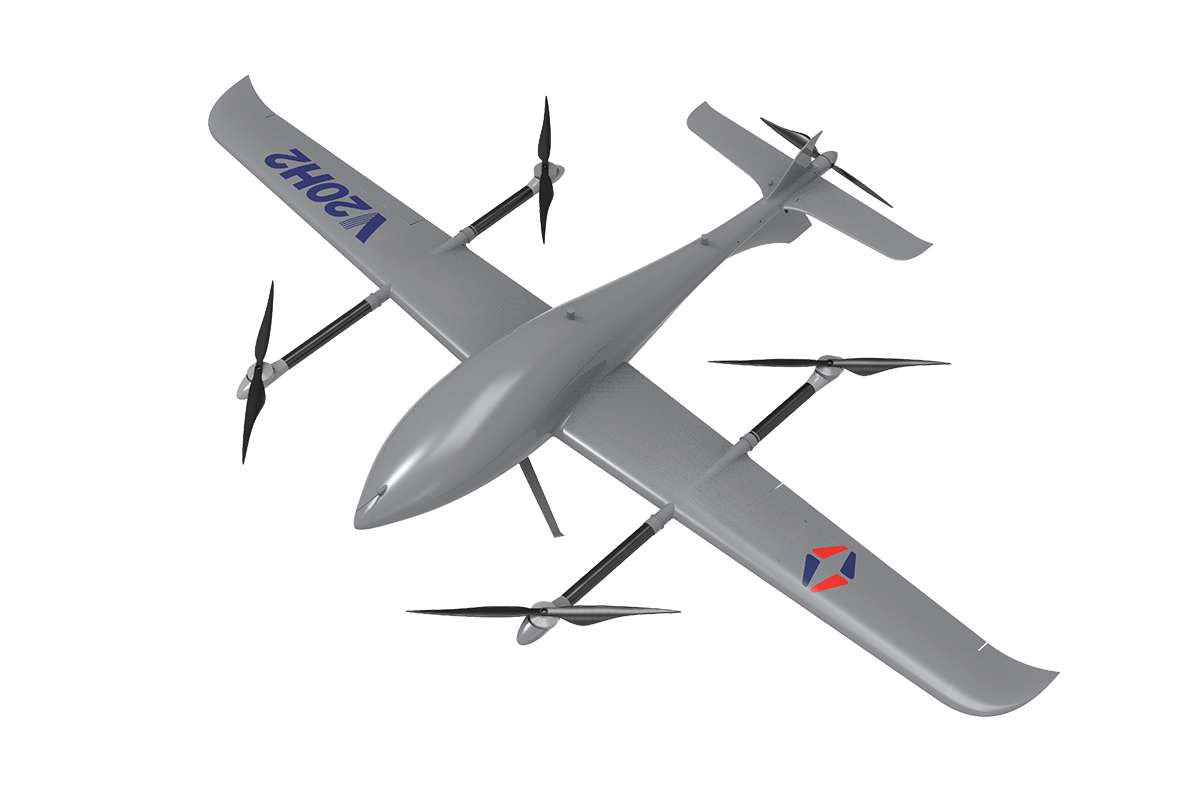
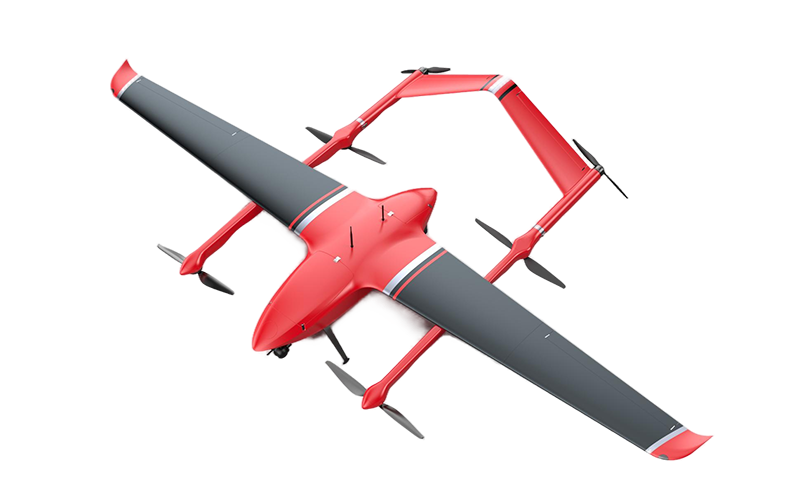
The MMC M12 Professional Drone represents a revolutionary advancement in long-range commercial applications, particularly in the sector of Vertical Take-Off and Landing (VTOL) fixed-wing drones. By harnessing cutting-edge engineering, the M12 redefines efficiency limits, facilitating longer flight times, enhanced payload capacities, and improved stability. According to a recent industry report by MarketsandMarkets, the drone services market is projected to grow from $4.4 billion in 2020 to $63.6 billion by 2025, illustrating an escalating demand for high-performance UAVs in commercial applications.

Equipped with advanced features such as real-time data transmission, obstacle avoidance systems, and high-resolution imaging capabilities, the MMC M12 is designed to meet the rigorous demands of industries like agriculture, logistics, and infrastructure inspection. Specifically, its long-range capabilities allow for extensive coverage areas, reducing the need for multiple drones and streamlining operations. According to a study by PwC, using drones for commercial applications can lead to a cost reduction of up to 70% compared to traditional methods, accentuating the financial viability of investing in such innovative technology.

Furthermore, the M12's adaptability in diverse environmental conditions enhances its operational effectiveness. An analysis by Grand View Research highlights that the integration of drones in various sectors can improve data accuracy and decrease time spent on tedious tasks. As industries continue to explore the benefits of drone technology, the MMC M12 stands at the forefront, enabling businesses to optimize their operations and maintain a competitive edge in an increasingly technology-driven marketplace.

FAQS

: What is the main focus of the topics discussed?

: The articles explore various everyday experiences and personal growth methods.

How can I improve my daily routine?

Simple changes can help. Start with small goals and gradually add more tasks.

What role does self-reflection play?

Self-reflection helps in understanding one's feelings and actions. It promotes growth.

Are there any tips for better time management?

Prioritize tasks each day. Use timers to stay focused and reduce distractions.

Can minor setbacks be beneficial?

Yes, they encourage reevaluation. They teach lessons that lead to improved strategies.

How do emotions affect decision-making?

Emotions can cloud judgment. It's important to manage emotions for clearer choices.

Is it possible to enhance creativity?

Yes, try new activities. Break routines and explore different perspectives to inspire ideas.

What actions can support mental health?

Regular exercise and social interaction are vital. They significantly boost mental well-being.

How important is it to seek help?

Seeking help is crucial. It shows strength and can lead to new insights.

What should I consider about my progress?

Progress may feel slow; that's normal. Regular reflection can highlight small improvements.

Conclusion

When selecting the best professional drones for your needs, it is crucial to first understand your specific requirements, such as the intended use—be it aerial photography, surveying, or inspection. Key features to consider include flight stability, control range, and compatibility with various payloads. Professional drones come in different types, each suited for particular applications, so comparing them based on these criteria is essential.

Camera quality and payload capacity are significant factors that can impact the performance of your drone. Evaluating flight time and battery life is also important to ensure that the drone meets operational demands. Additionally, budget considerations will help in finding the best value without compromising quality. Lastly, it's essential to stay informed about regulatory compliance and licensing requirements related to the use of professional drones, ensuring that your operations remain lawful and efficient.

Sophia

Sophia

Sophia is a dedicated marketing professional with a deep expertise in UAV systems, specializing in the creation of repeatable, traceable, and compliant solutions. With a strong focus on integrated innovation across hardware, algorithms, and data operations, she plays a pivotal role in enhancing the......
Previous 2025 How to Use Inspection Drones for Efficient Building Maintenance