0%

Picking the right enterprise drones these days really matters for businesses. With all the advances in drone tech lately, there's honestly a ton of options out there. Big names like DJI and Parrot have a bunch of different models to choose from. The thing is, each drone is usually built for a specific task, but not every one will fit your company's unique needs.

When you're trying to decide on enterprise drones, it’s good to think about stuff like how much weight they can carry, how long they can fly, and whether they're compatible with your existing software. For example, a construction company might need a drone with super crisp cameras to get detailed images, while farms probably care more about endurance and collecting data over long periods. Paying close attention to these details is really key.

That said, a lot of companies get caught up trying to find the perfect mix of cost and features. It’s easy to be wowed by cool gadgets and flashy specs, but honestly, what really counts is how these drones will actually help improve your operations. So, it’s a good idea to step back and think about what your business actually needs before you make a choice. Taking your time with this kind of decision usually ends up in a smarter investment in enterprise drones.

How to Choose the Best Enterprise UAVs for Your Business Needs

Understanding the Different Types of Enterprise UAVs Available

When considering enterprise UAVs, it’s essential to understand the various types available. Fixed-wing drones are known for their endurance and efficiency. They can cover large areas quickly, making them suitable for agriculture and surveying. However, they often require more space for takeoff and landing. This can be a drawback in crowded environments or urban settings.

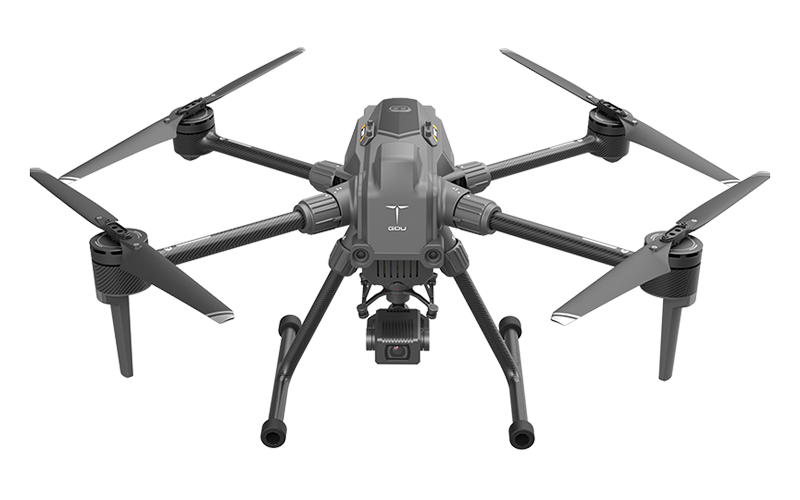
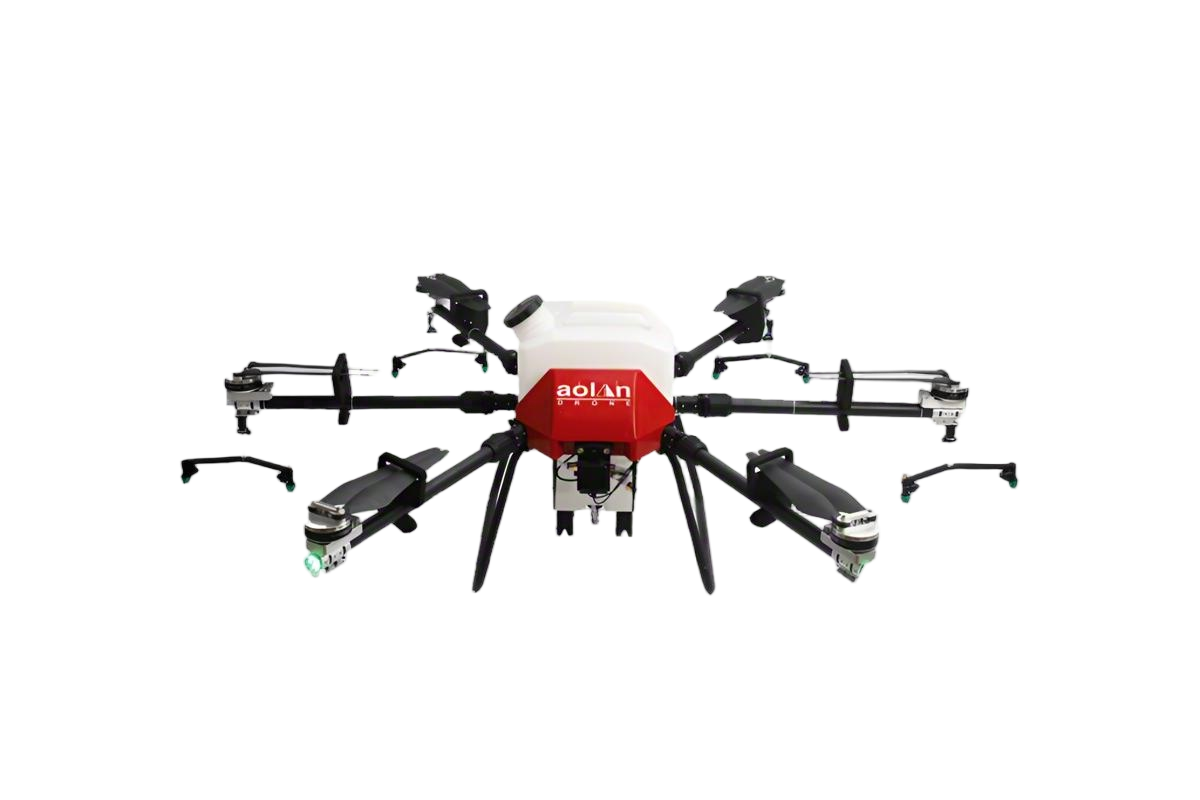
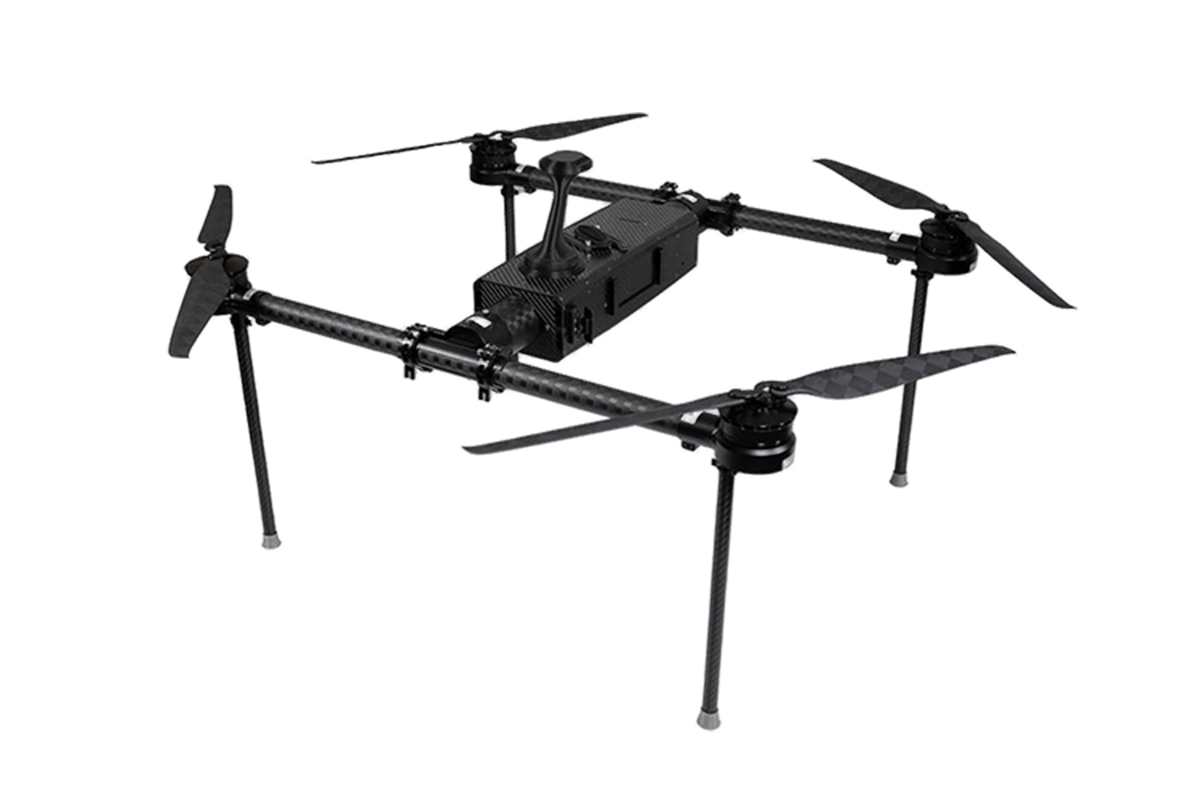
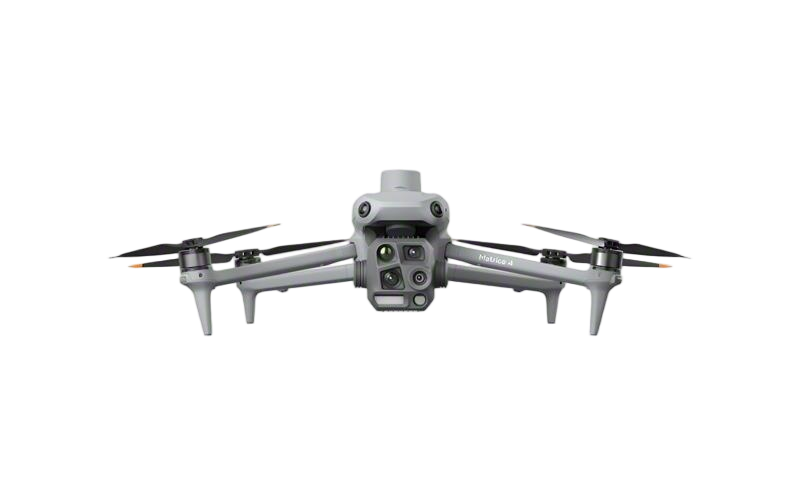
Multirotor UAVs, on the other hand, are more versatile. They can hover in place and maneuver easily. This is ideal for inspections and mapping tasks. Their ease of deployment and smaller footprint adds to their appeal. Nevertheless, they typically have shorter flight times. Balancing coverage and duration is crucial.

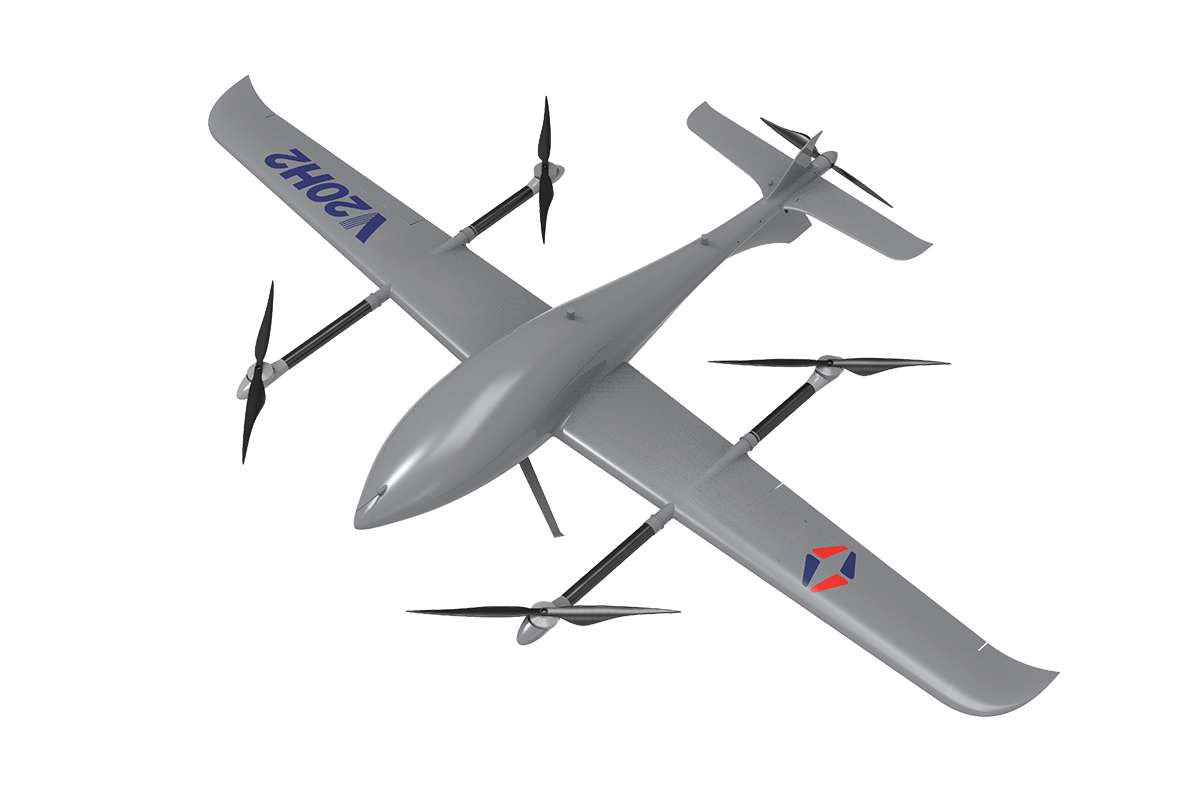
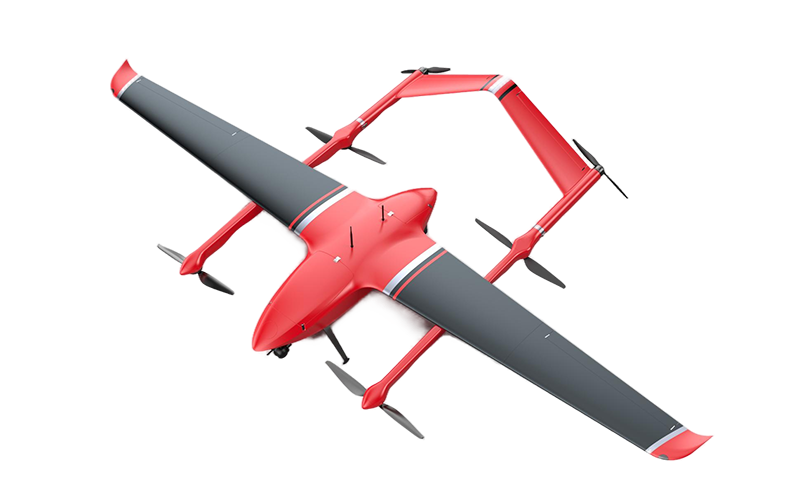
Hybrid UAVs attempt to combine the strengths of both types. They can take off vertically but transition to horizontal flight. This could be a game changer for many businesses. Yet, they may have more complex designs, requiring additional maintenance. Choosing the right drone involves careful consideration of your specific needs and operational environment. Each type comes with its own advantages and limitations, leaving room for improvement in any fleet decision.

Assessing Your Business Requirements for UAV Implementation

When choosing the best enterprise UAVs, you need to assess your business needs carefully. Start by identifying the specific tasks UAVs will perform. Will they be used for surveying, delivery, or inspections? Each application has different UAV requirements. Consider payload capacity, flight time, and camera quality. These factors directly impact the UAV's effectiveness in your industry.

Tips: Define your goals clearly. This clarity will guide your UAV selection. Test potential models in real-world scenarios. This hands-on approach reveals strengths and weaknesses.

Next, evaluate your operational environment. Are you working in urban settings or remote areas? Obstacles like buildings or terrain affect UAV performance. Look for machines that can adapt to these conditions. Also, consider regulatory compliance. Different regions have various regulations regarding UAV use. Ensure your chosen UAV meets all legal requirements.

Tips: Consult with industry experts to gain insights. They can highlight overlooked elements during your assessment. Create a checklist to track essential features. This organized approach aids in comparison.

Key Features to Look for in Enterprise UAVs

When selecting enterprise UAVs, key features play a vital role. One important aspect is endurance. Many commercial UAVs offer flight times ranging from 20 to 40 minutes. Yet, for extensive surveys or inspections, longer flight times are preferable. A 2023 industry report from Drone Industry Insights indicates that 65% of businesses prefer UAVs with a flight endurance of over 45 minutes.

Payload capacity also matters significantly. Different industries require various equipment. From cameras to sensors, the UAV's payload capacity needs careful consideration. A report from MarketsandMarkets indicates that the drone payload market could grow to $4 billion by 2025. Companies require UAVs that can handle specialized tools while maintaining stability during flight.

Additionally, the software and data integration capabilities of UAVs are often under-discussed. Advanced mapping, real-time data processing, and compatibility with existing systems are essential. 45% of businesses reported difficulties integrating drone data into their workflows. This indicates a need for greater focus on user-friendly software solutions. Choosing the right UAV demands a balance of these features, tailored to specific business requirements.

Evaluating the Range and Payload Capacity of UAVs

When selecting enterprise UAVs, assessing range and payload capacity is crucial. Range determines how far a drone can fly. A longer range allows for wider operational areas. Businesses in agriculture may require drones that can cover extensive fields without needing frequent recharges. On the other hand, short-range UAVs might suit smaller operations focused on specific tasks.

Payload capacity is equally important. This metric indicates how much weight a drone can carry. It impacts the type of equipment onboard. A delivery service may need UAVs with high payload capacity to transport packages efficiently. However, heavier payloads can reduce flight time. Striking the right balance is vital.

While evaluating these factors, consider your specific needs. Misjudging range or payload can lead to operational challenges. For instance, a drone with insufficient range might miss key data points. This highlights the importance of aligning UAV specifications with business tasks. Evaluate these aspects carefully to ensure your investment pays off.

Considering Software and Data Integration Capabilities

When selecting enterprise UAVs, software and data integration are crucial. These factors determine how effectively your drone can communicate with existing systems. A UAV that seamlessly integrates with your software can streamline operations and enhance data analysis. Look for features like real-time data transfer and compatibility with industry-standard applications.

Tips: Check for APIs and data formats. These play a vital role in compatibility. If your UAV can’t connect to your analytics software, it may not meet your needs. Consider how the drone absorbs, stores, and transmits data. This impacts your ability to make informed decisions.

Many businesses overlook the importance of software during their UAV selection process. Integrating new technology can be complex. A steep learning curve might affect your team's productivity. Test the software interface before committing. Is it user-friendly? Can your team adapt quickly? A complicated system may lead to delays and frustration.

Comparing Cost-Effectiveness and ROI of Various UAV Models

How to Choose the Best Enterprise UAVs for Your Business Needs

When selecting enterprise UAVs, cost-effectiveness and return on investment (ROI) are crucial. Different models offer varied capabilities and price points. Cheaper options may lack advanced features, leading to potential hidden costs. On the other hand, more expensive drones might seem appealing but could be underutilized if they exceed business needs.

Evaluating the ROI involves considering operational efficiency. A model that performs well over time should save money on maintenance. Consider potential savings from reduced labor costs or accelerated project timelines. However, some UAVs may require extensive training, eating into potential savings and complicating implementation.

Another factor is durability. Will the UAV withstand harsh environments? Investing in robust models can prevent frequent replacements. Yet, expensive technologies may not be necessary for light tasks. Understanding your specific business needs and aligning them with the right model can optimize costs and enhance return on investment.

Reviewing Regulations and Compliance for UAV Usage in Business

When considering the integration of UAVs into business operations, compliance is essential. Different countries have various regulations governing UAV use. In the U.S., the FAA mandates that commercial UAV pilots obtain a Remote Pilot Certificate. Adhering to these regulations ensures safety and legality in operations.

One key compliance detail is the requirement for UAVs to stay within the visual line of sight. This means pilots must be able to see the drone at all times. While this rule is practical for safety, it can limit some operations. Emerging services may need to adapt their strategies to meet these regulations.

Tips: Always stay updated on local regulations. Frequent changes can occur, especially in rapidly evolving industries like drone services. Also, consider the potential need for additional permissions based on your specific operational use.

Understanding privacy laws is crucial. In some areas, using UAVs for photo or video recording can lead to legal challenges. Taking the time to consult with legal professionals is wise. This will help to navigate the complex landscape of UAV regulations and compliance.

FAQS

: What is the purpose of this product?

: It is designed to enhance everyday experiences and provide convenience in daily tasks.

How do I use this product effectively?

Follow the instructions carefully. Ensure you set it up in a suitable environment for best results.

Can this product be used by anyone?

Generally, yes. However, care should be taken for specific age groups or individuals with health concerns.

What should I do if it doesn't work?

Check the manual for troubleshooting tips. If problems persist, consider reaching out for further support.

Is there a warranty available?

Many products have a standard warranty. Review the details to understand coverage and duration.

Can it be used outdoors?

Some models are more suited for indoor use. Outdoor usage could affect performance and lifespan.

How do I clean and maintain it?

Regular cleaning is essential. Use a soft cloth and avoid harsh chemicals to prevent damage.

What if I lost the manual?

Manuals can often be found online. A quick search might help you locate a digital version.

Is it safe for children?

Depending on the product, supervision may be needed. Always assess potential hazards before use.

Could I improve my experience with some adjustments?

Yes, experimenting with settings can lead to better performance. Personal preferences matter in usage.

Conclusion

When selecting the best Enterprise UAVs for your business needs, it's essential to begin with a comprehensive understanding of the different types available. Each sector may have unique requirements, so assessing your specific business objectives is crucial. Key features, including range, payload capacity, and software integration capabilities, play a vital role in determining the right UAV model. Evaluating these aspects will help ensure the UAVs meet operational needs while maximizing efficiency.

Furthermore, businesses must consider the cost-effectiveness and return on investment (ROI) of various UAV options. This includes analyzing both upfront costs and long-term savings that UAVs can provide. Additionally, reviewing regulations and compliance regarding UAV usage is imperative to ensure adherence to legal standards. By carefully navigating these considerations, organizations can successfully implement Enterprise UAVs that enhance operational effectiveness and contribute to overall business growth.

Sophia

Sophia

Sophia is a dedicated marketing professional with a deep expertise in UAV systems, specializing in the creation of repeatable, traceable, and compliant solutions. With a strong focus on integrated innovation across hardware, algorithms, and data operations, she plays a pivotal role in enhancing the......
Previous 2025 How to Use Inspection Drones for Efficient Building Maintenance