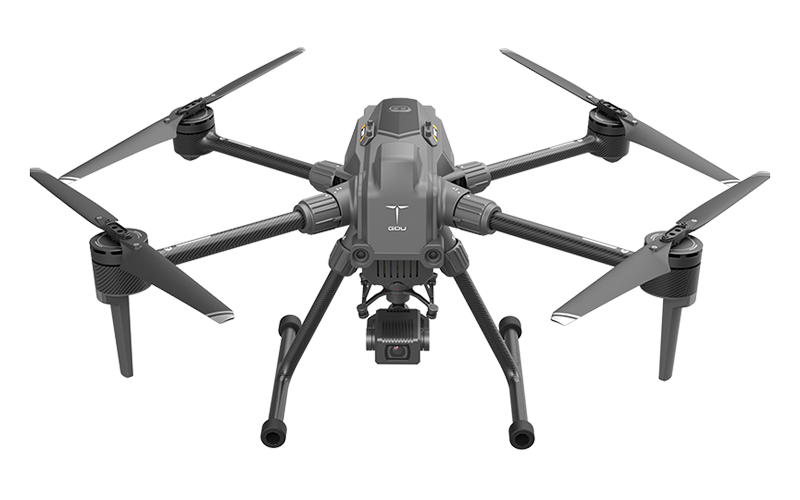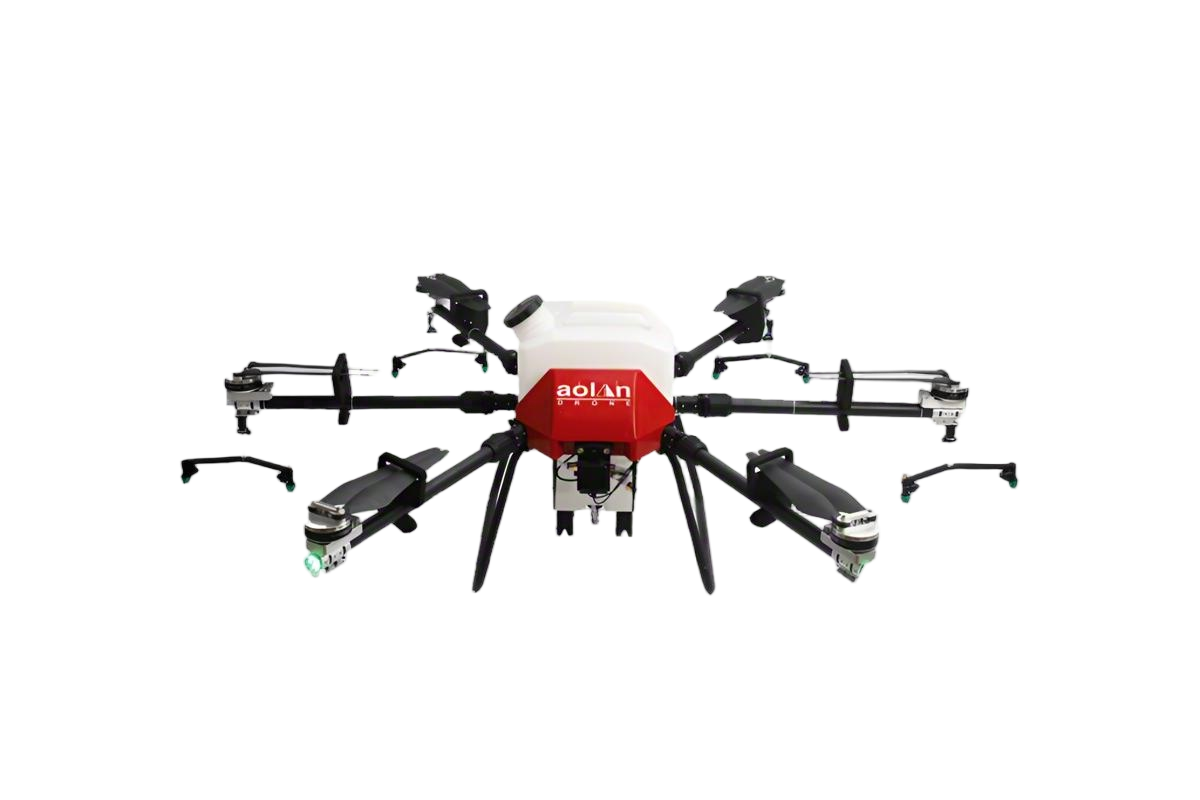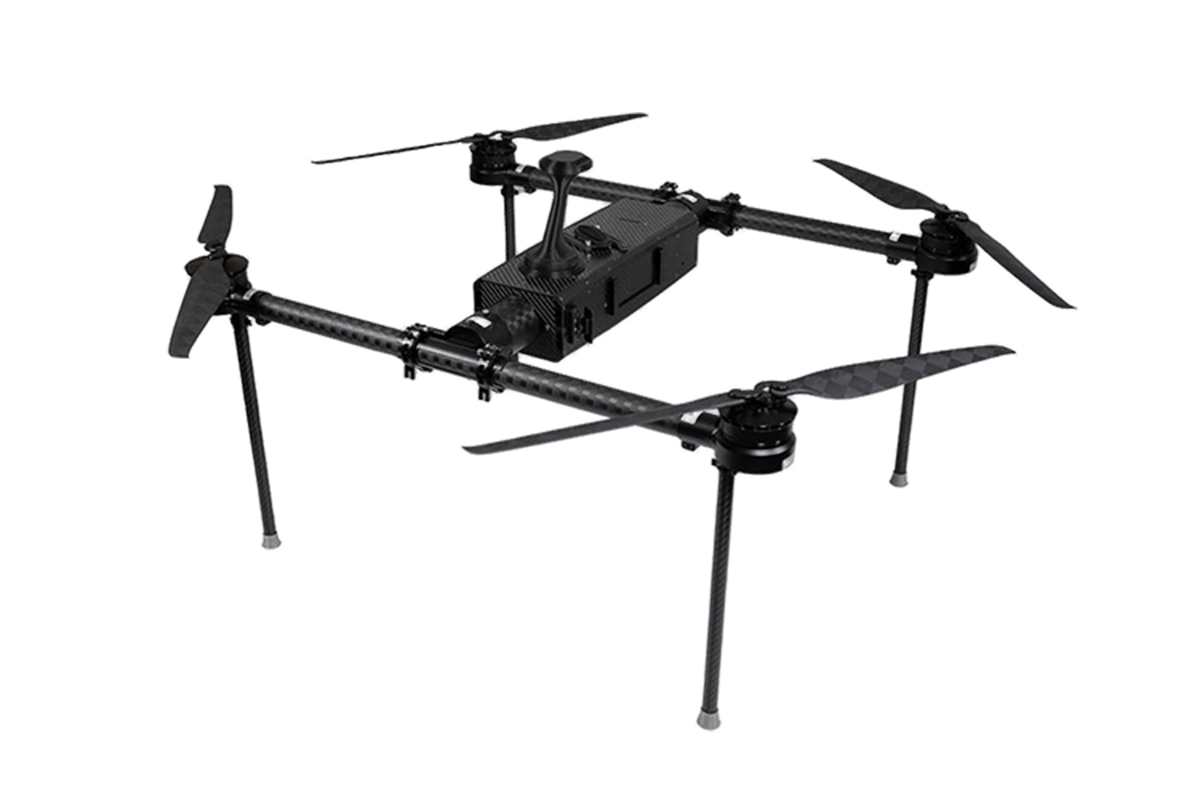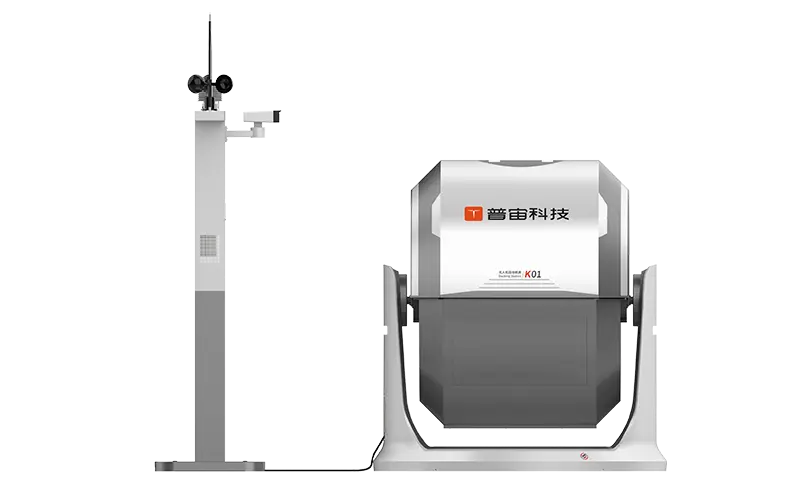
In today’s fast-changing business world, staying ahead really means embracing technology. One of the most exciting tech jumps lately has gotta be the surge in Commercial UAV Solutions — you know, drones used for business stuff. According to a report from the FAA, the commercial drone industry is expected to skyrocket from around $5.1 billion in 2021 to more than $12.6 billion by 2028. That’s pretty huge! It shows just how much different sectors—like farming, construction, and logistics—are relying on UAVs more and more. This growth isn’t just about drones being super versatile; it’s also about how they can help businesses work smarter, cut costs, and boost efficiency.
Experts in the field keep stressing how vital it is to pick the right UAV solutions that actually fit your specific business needs. Dr. Sarah Jordan, who’s a real go-to when it comes to aerial tech and heads up UAV research at SkyTech Solutions, says, ‘Getting UAVs to work for your business really depends on understanding what you actually need and matching that with the right drone solutions.’ As more companies start exploring what drones can do, it’s super important to understand all the options out there and how they can be applied. Using solid data and expert advice, businesses can really get the most out of UAV tech — which, at the end of the day, means innovating and growing in a pretty competitive market.
Commercial Unmanned Aerial Vehicles (UAVs) are transforming the way businesses operate across various sectors. Understanding the key concepts behind commercial UAVs is essential for selecting the right solutions for your specific needs. A UAV is essentially an aircraft without a human pilot on board, designed to perform a variety of tasks, from aerial photography and surveying to logistics and inspections. The benefits of incorporating UAV technology into your business include increased efficiency, cost-effectiveness, and enhanced data collection capabilities.
When considering UAV solutions, it’s important to assess your business requirements thoroughly. Look into factors such as payload capacity, flight range, and battery life to determine which UAV can best fulfill your tasks. Additionally, understanding the regulatory environment in which you operate is crucial; regulations can vary significantly depending on your location and the specific applications of UAVs in your industry.
**Tips:** Regularly evaluate the technological advancements in UAVs, as this sector evolves rapidly. Stay informed about new features that can enhance your operational capabilities. Furthermore, consider engaging with experts or consultants who can help customize UAV solutions that align perfectly with your business goals and operational needs. This proactive approach can lead to smarter investments and ensure that your UAV choice remains relevant as your business grows.
Identifying your business needs is a crucial first step in selecting the best commercial UAV solutions. Start by evaluating your specific operational goals and objectives. Are you looking to enhance inspection capabilities, improve delivery logistics, or streamline data collection? By clearly defining your requirements, you can focus on UAV solutions that align with your business operations. This assessment should also include considerations for the types of environments your UAVs will operate in, as well as the regulatory constraints that may apply to your industry.
Next, analyze your existing workflows to identify pain points that UAV technology could address. For instance, if your business requires high-quality aerial imagery for mapping or surveying, consider the types of sensors and cameras that will meet your image quality standards. Additionally, evaluate the potential return on investment (ROI) that UAV implementation may provide, including cost savings in labor and time efficiency. Engage with your team to gather insights and ensure that the chosen UAV solutions will integrate smoothly into your operations, maximizing productivity and achieving your business goals effectively.
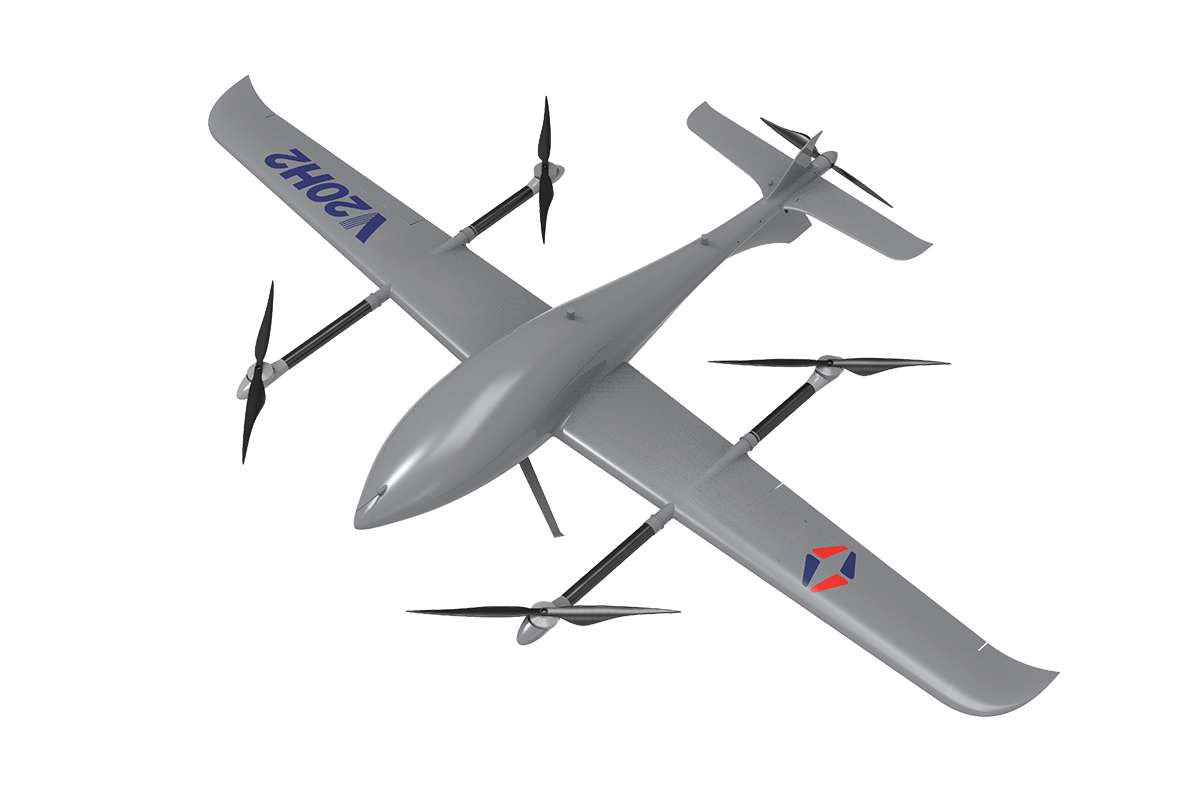
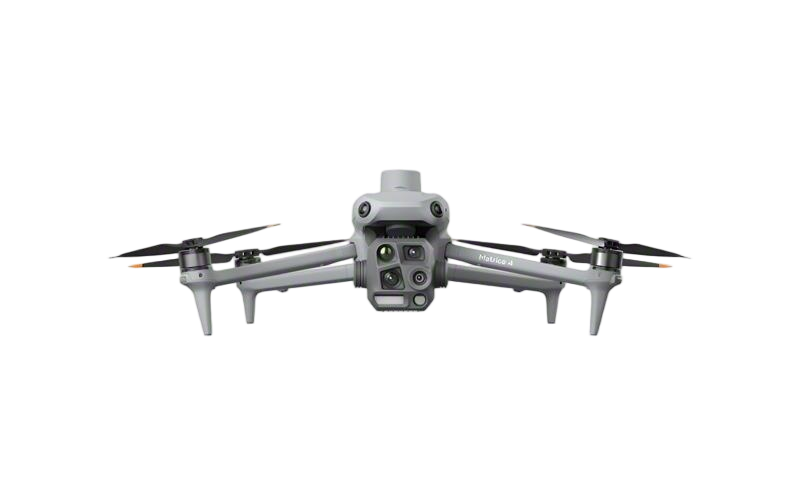
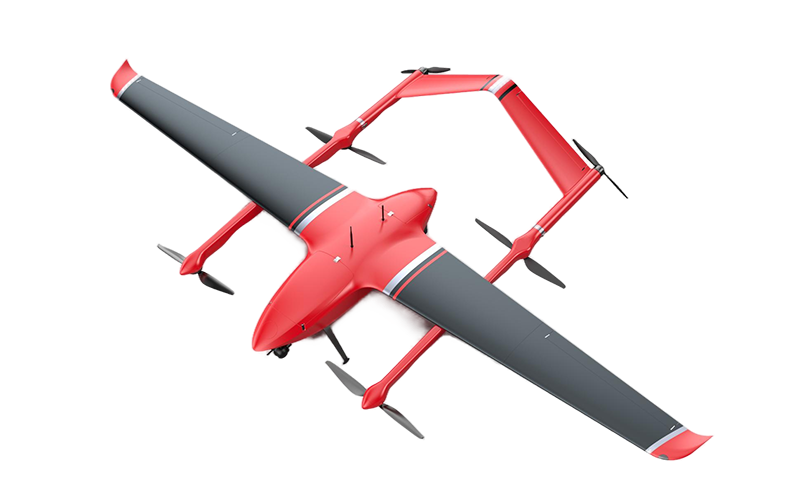
When evaluating different types of commercial UAV technologies, it's essential to consider the specific applications and operational requirements of your business. UAVs can be categorized into various types based on their design, function, and capabilities. Fixed-wing drones, for example, are ideal for long-range missions and can cover vast areas quickly. They are particularly effective in industries such as agriculture for crop monitoring or in surveying for land assessments. On the other hand, multi-rotor drones offer greater maneuverability and are perfect for tasks that require hovering capability and vertical take-off, such as infrastructure inspections or aerial photography.
Another critical factor in the selection process is the payload capacity and compatibility of the UAV. Different industries may require specific sensors or equipment, such as thermal imaging cameras for search and rescue operations or LiDAR systems for precise mapping. Assessing the UAV's ease of integration with these tools is vital to ensure efficient data collection and analysis. Additionally, considering flight endurance and battery life can significantly impact operational efficiency, especially in projects that demand prolonged aerial surveillance or extended mapping surveys. By understanding these key differences in UAV technologies, businesses can make informed decisions that align with their operational goals and enhance productivity.
When selecting commercial UAV solutions for your business, understanding the regulatory landscape is crucial. Different countries and regions have specific laws governing drone operations, including requirements for pilot certification, airspace restrictions, and safety protocols. It's essential to assess whether the UAV your business intends to implement complies with these regulations. Engaging with legal experts or consulting regulatory bodies can provide insights into the nuances of compliance, minimizing the risk of legal challenges.
Beyond basic compliance, consider the implications of liability and insurance associated with UAV operations. Businesses are advised to evaluate their risk management strategies, ensuring that adequate insurance coverage is in place for potential damages or accidents involving drones. Staying abreast of evolving regulations is also important, as the UAV industry is continually changing, with updates that may affect operational capabilities and responsibilities. By taking these regulatory considerations into account, businesses can make informed decisions that enhance their operational efficiency while safeguarding against potential legal complications.
When considering commercial UAV solutions for your business, analyzing the cost and return on investment (ROI) is crucial. Different UAV models come with varying price tags, often influenced by features such as payload capacity, flight time, and the technology used for navigation and imaging. Businesses should begin by assessing their specific needs, including the types of tasks the UAV will perform and the operational environment. Understanding these factors helps in selecting a solution that not only fits the budget but also maximizes efficiency and enhances productivity.
To properly compare the cost and ROI of various UAV solutions, businesses must look beyond the initial purchase price. This includes considering operational costs, maintenance expenses, and the potential increase in revenue generated from improved service delivery or operational efficiency. For example, if a UAV solution minimizes labor costs or increases the speed of project completion, the long-term gains may far outweigh the initial investment. It's essential to create a detailed financial model that factors in these elements to make an informed decision that aligns with the business's strategic objectives.
| UAV Model | Cost ($) | Flight Time (min) | Payload Capacity (kg) | ROI (Year) |
|---|---|---|---|---|
| Model A | 5000 | 30 | 2.0 | 1.5 |
| Model B | 8000 | 25 | 3.5 | 2.0 |
| Model C | 12000 | 40 | 5.0 | 3.0 |
| Model D | 6500 | 35 | 1.5 | 1.2 |
When selecting the right UAV provider for your business, several key factors should be top of mind. First and foremost, consider the provider's experience and expertise in the specific application you require. It’s crucial to assess their background in the type of UAV solutions that align with your industry needs, whether it's agriculture, construction, or logistics. A knowledgeable provider can not only provide a better product but also offer valuable insights into how to leverage the technology effectively for your objectives.
Tips: Always request case studies or references from providers to better understand their past projects and the outcomes they delivered. This firsthand information can help validate their claims and give you confidence in their capabilities.
Additionally, evaluate the level of customer support and training offered. A reliable UAV provider should not only deliver the equipment but also ensure that your team is adequately trained to operate it safely and effectively. Look for companies that provide comprehensive training programs and ongoing support, as this can make or break the successful integration of UAVs into your operations.
Tips: Prioritize providers that offer flexible training options, such as on-site sessions or online modules, to accommodate your team's varying skill levels and availability.
Implementing and integrating UAV solutions into your business requires a strategic approach that emphasizes compatibility with existing operations and objectives. Begin by conducting a thorough assessment of your current processes and identifying specific pain points where UAVs can provide significant improvements. Whether it's for aerial photography, surveying, or logistics, understanding how UAVs can streamline tasks will allow for a smoother integration. It's crucial to engage with stakeholders across departments to gather insights and foster support, ensuring that everyone is on board with the transition.
Once the assessment is complete, focus on training and development to empower your team with the necessary skills to operate UAVs effectively. This includes not only technical training on how to pilot and maintain the drones but also educating staff on the data management systems that will be used in tandem with UAV operations. Building a robust framework for data analysis will enhance decision-making processes and maximize the benefits of UAV deployment.
Additionally, establishing clear communication channels and protocol will facilitate collaboration among teams, making the integration of UAVs an asset that aligns seamlessly with your business goals.
The MMC M12 Professional Drone is set to transform long-range commercial operations by maximizing both efficiency and performance. With its cutting-edge design, this drone redefines the efficiency limits of Vertical Takeoff and Landing (VTOL) fixed-wing technology. It combines the best features of traditional drones with an advanced frame that enhances flight stability and extends operational range. Commercial users in industries such as agriculture, logistics, and infrastructure can benefit from its ability to cover vast areas quickly, making it an indispensable tool for modern operations.
In addition to its impressive range, the MMC M12 excels in payload capacity and versatility, allowing it to transport various sensors and equipment required for different tasks. This capability is crucial for sectors that rely on accurate data collection over large distances. By integrating advanced navigation systems and automated flight paths, the drone ensures precision and repeatability in operations, thereby increasing overall productivity. As businesses seek to optimize their logistics and field operations, the MMC M12 stands out as a game changer, providing high-performance solutions that help stakeholders achieve their objectives effectively and efficiently.
erial Vehicles (UAVs)?
Businesses can expect increased efficiency, cost-effectiveness, and enhanced data collection capabilities by incorporating UAV technology.
Businesses should start by evaluating their operational goals, considering factors like inspection capabilities, delivery logistics, and data collection requirements.
Important factors include payload capacity, flight range, battery life, and the specific operational environment where the UAV will be used.
Regulations can vary significantly depending on location and industry application, making it crucial for businesses to comply with local laws governing UAV use.
Conducting a thorough assessment of existing workflows, identifying pain points, and determining the potential return on investment can help businesses choose the right UAV solution.
Regularly evaluating technological advancements in UAVs is vital, as the sector evolves rapidly and new features can enhance operational capabilities.
Consulting with experts or specialists can lead to customized UAV solutions that align with business goals and operational needs, ensuring better investment decisions.
Engaging with team members for insights and ensuring chosen UAV solutions fit existing workflows can maximize productivity and effectiveness in achieving business goals.
When considering the implementation of Commercial UAV Solutions for your business, it's essential to first understand the fundamental concepts and benefits of these technologies. Identifying your specific business needs will guide you in selecting the most appropriate UAV solutions. Different types of commercial UAV technologies have distinct capabilities, making it crucial to evaluate them based on your operational objectives.
In addition to technological considerations, assessing regulatory compliance and legal aspects is vital to ensure your UAV operations are legitimate and safe. Comparing the costs and return on investment (ROI) of various UAV solutions will help you make informed financial decisions. Finally, selecting the right UAV provider is key to a successful integration, as you should consider their experience, support, and alignment with your business goals. By following these guidelines, you can effectively implement Commercial UAV Solutions that drive efficiency and innovation within your organization.