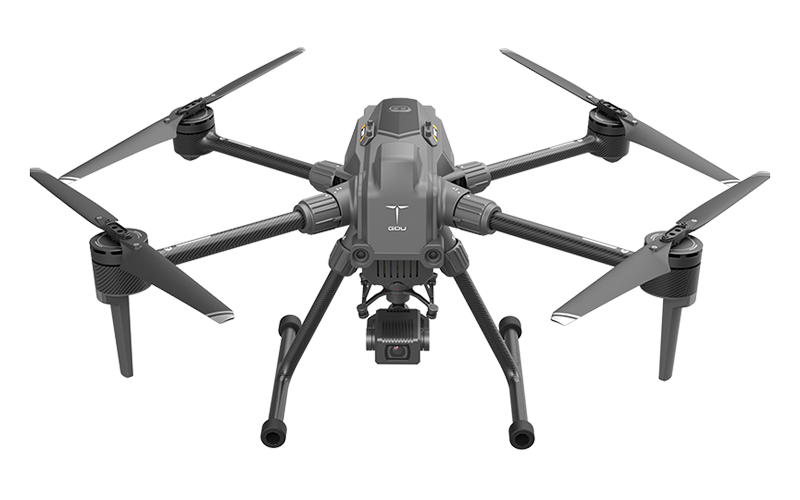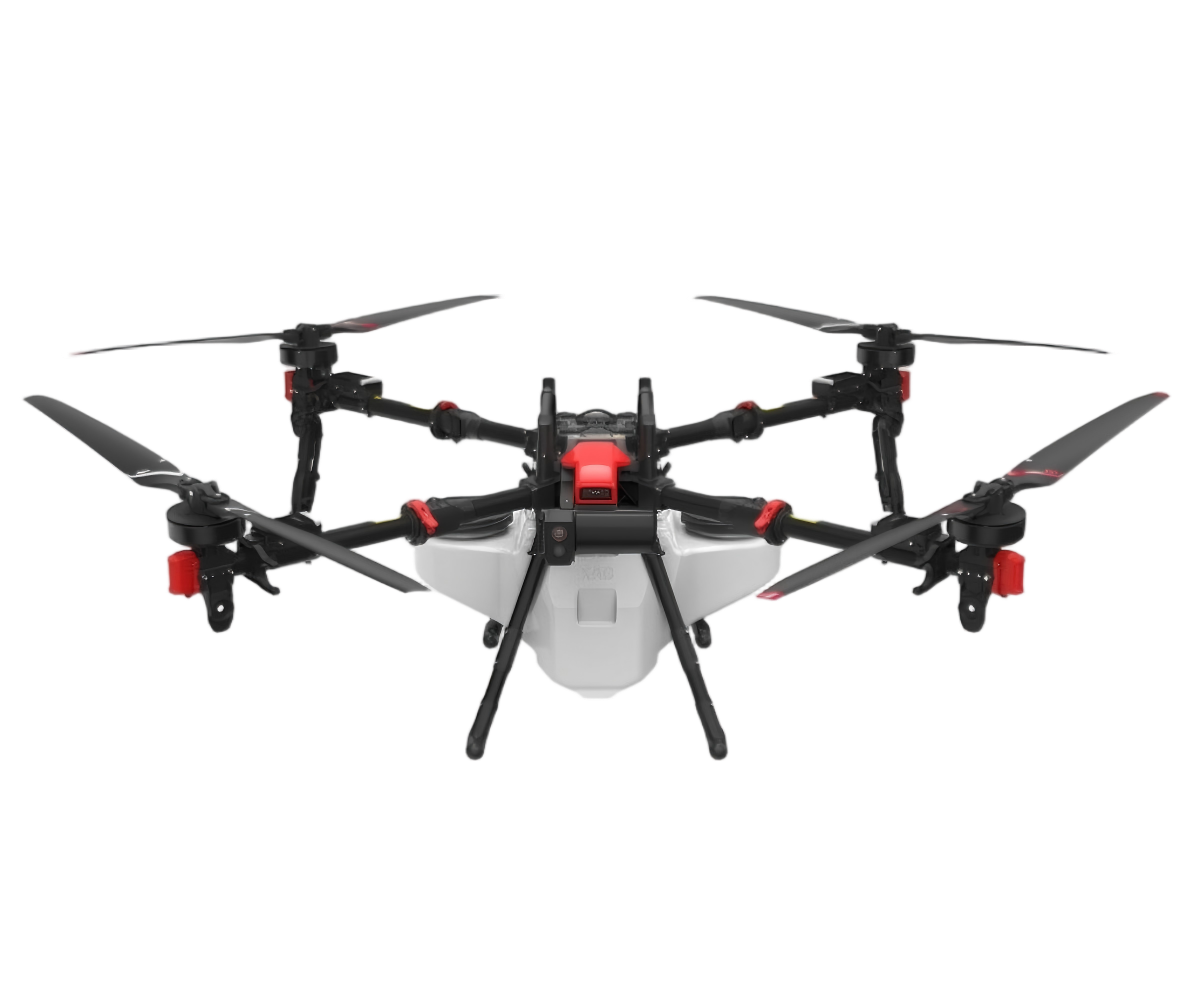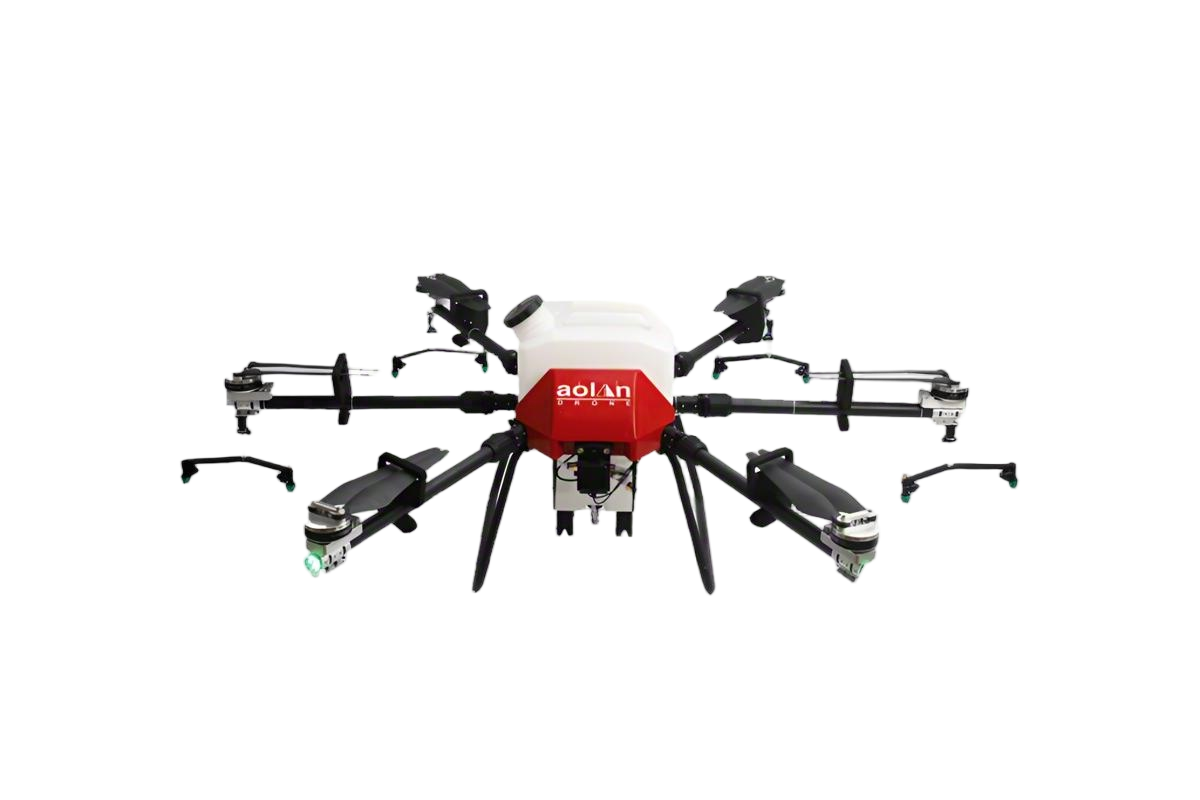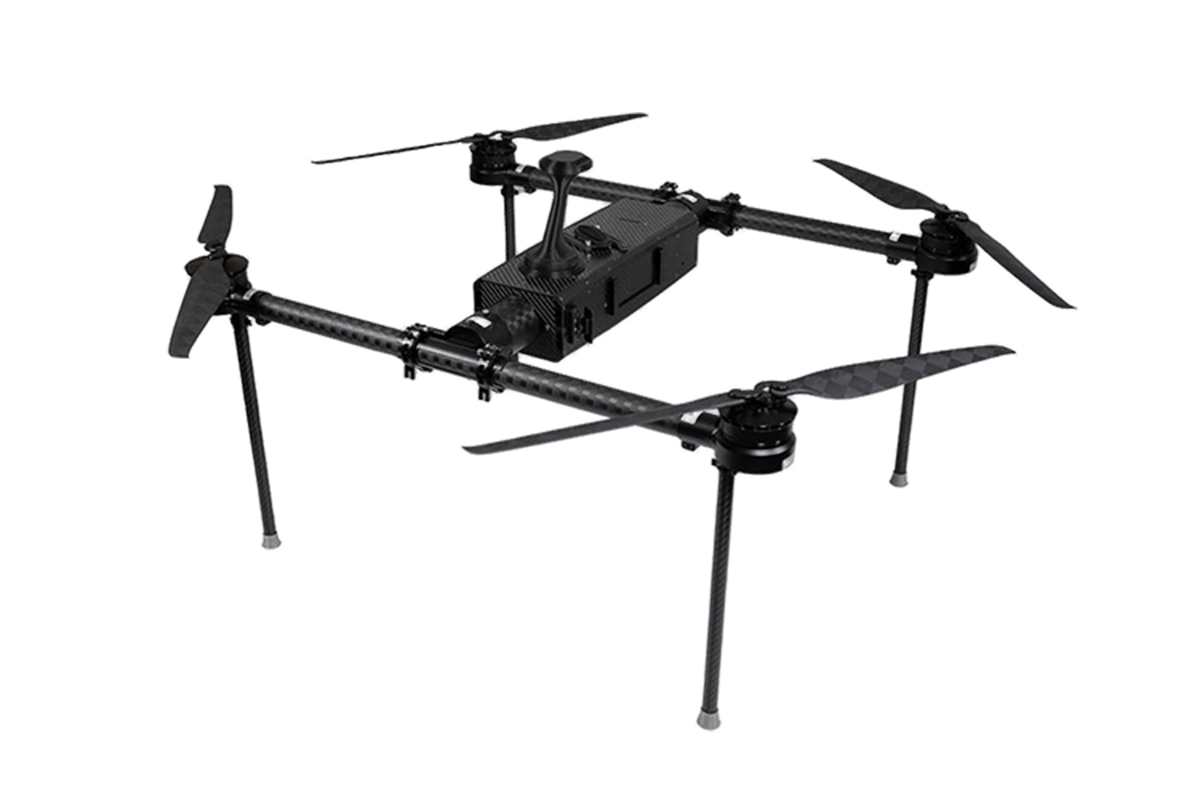
The agricultural world is changing really fast these days, and technology is playing a huge role in making farms more productive. One cool thing that's been catching on among modern farmers is fertilizer drones. According to a report from Grand View Research, the global market for these agricultural drones is expected to hit around $6.2 billion by 2025 — shows just how quickly people are jumping on board.
Fertilizer drones are pretty amazing when it comes to precision and efficiency. They can spread fertilizers evenly across big fields, which not only cuts down on waste but also helps protect the environment. That said, picking the right drone isn't always straightforward. You’ve gotta think about stuff like how much it can carry, how long its battery lasts, and how easy it is to use. A study by MarketsandMarkets even found that about 75% of farmers still aren’t quite sure what the best options are out there.
At the end of the day, though, it’s important for farmers to consider what their own farm needs really are. Not every drone is a perfect fit for every farm, and sometimes the marketing hype can be misleading — leading to poor choices and wasted money. So, it’s smart to focus on your specific goals and talk to the experts before jumping into any tech investments. It might seem a bit overwhelming, but taking your time will pay off in the long run.
Fertilizer drones have revolutionized modern agriculture. Their importance cannot be overstated. According to a report from Precision Agriculture, these drones can reduce fertilizer use by up to 50%. This means farmers can save money while ensuring crops get essential nutrients.
The advantages of using drones are clear. They provide real-time data on crop health. This helps in making informed decisions. Additionally, a recent study showed that drones can cover fields five times faster than traditional methods. However, challenges remain. Not every farm is equipped for drone technology. Training is necessary for optimal usage.
It's also vital to note that not all fertilizers are suitable for drone application. Understanding the compatibility of different fertilizers is key. Frequent calibration and maintenance of drones are essential too. These factors can impact the effectiveness of fertilizer application significantly. Balancing the benefits with these challenges requires careful consideration from farmers.
When it comes to choosing a fertilizer drone, several key features should be considered. First, look for the drone’s payload capacity. A drone with a higher payload can carry more fertilizer, covering larger areas in a single flight. According to industry reports, drones with a capacity of 10 kg can effectively manage over 12 hectares per hour, significantly improving efficiency.
Next, consider the flight time. A drone that can fly for 30 minutes or more allows for extended coverage without frequent returns for battery changes. This is vital, as disruptions can lead to delays in the fertilization process. Some farmers overlook the importance of flight endurance, which can affect productivity.
Camera quality also matters. A high-resolution camera can help in assessing crop health. It allows for precise targeting of areas needing fertilizer. A recent analysis showed that using drones with advanced imaging can reduce fertilizer use by up to 30%.
**Tips:** Invest in drones equipped with GPS for better navigational accuracy. Evaluate post-flight data analytics; they can provide insights for future enhancements. Don't forget to check the drone’s ease of use; steep learning curves can be frustrating. Make sure to revisit your choice regularly as technology evolves.
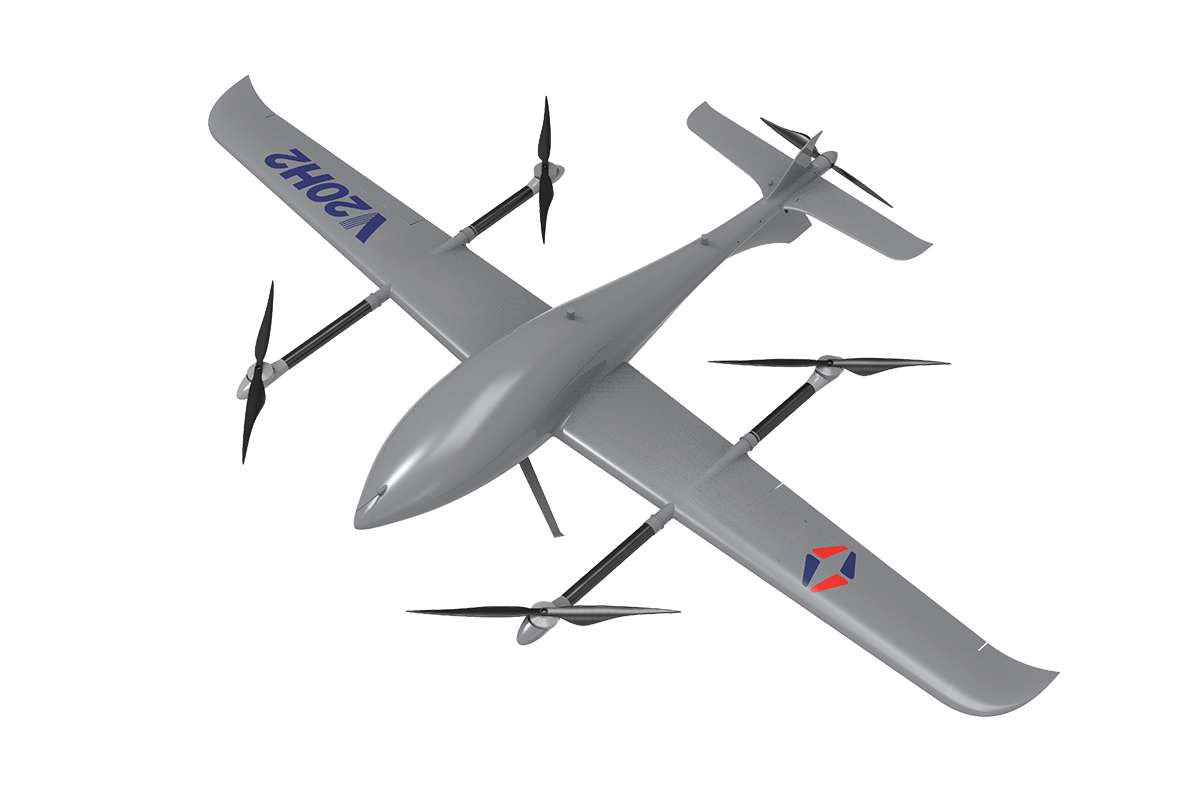
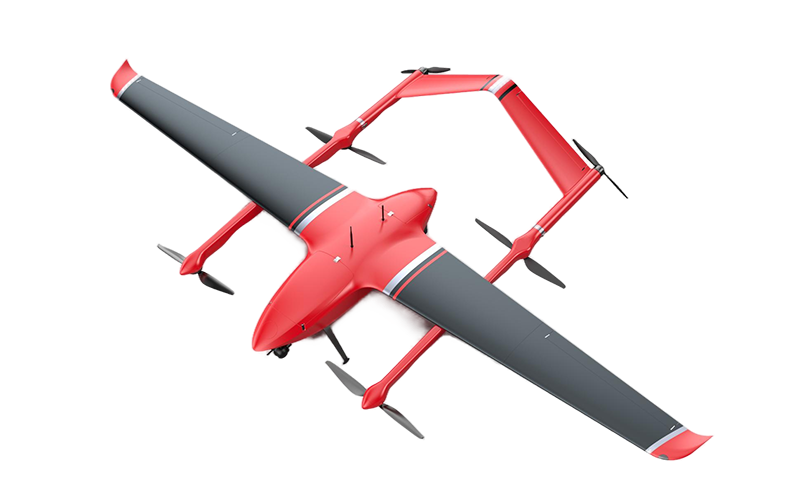
When selecting a fertilizer drone, understanding the types available is crucial. Drones generally fall into two categories: fixed-wing and multi-rotor. Fixed-wing drones are more efficient for covering large areas. Their flight duration can reach up to 90 minutes, allowing them to spread fertilizer over vast fields quickly. However, they require more advanced piloting skills, which can be a drawback for some farmers.
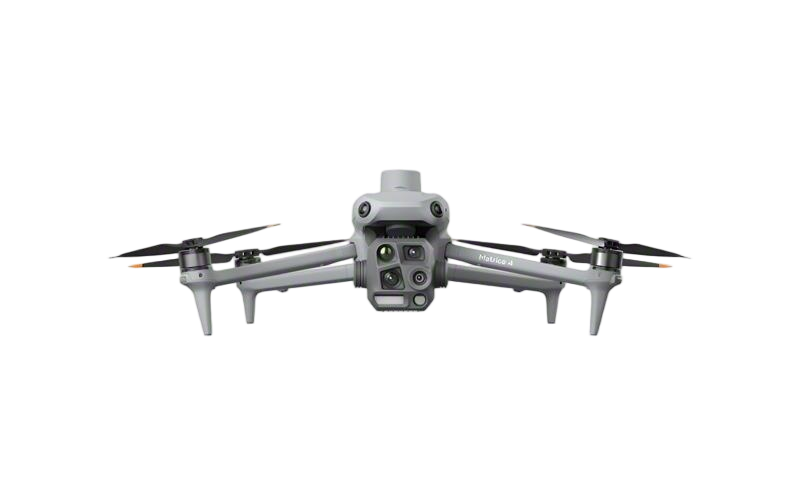
Multi-rotor drones, on the other hand, are easier to control and suitable for smaller fields. They offer greater maneuverability. Some models can carry payloads of around 10 kilograms, ideal for small-scale applications. According to a recent market report, nearly 40% of users favor multi-rotor drones for their ease of use, despite their limited flight time—typically around 20 to 30 minutes.
Farmers must also consider payload capacity. For instance, a drone with a lower payload might require multiple trips, increasing the time and labor involved. This challenge can deter some from fully adopting drone technology. The choice of drone should align with specific needs and farm size, emphasizing the importance of thorough research before investing in this technology.
When considering the use of fertilizer drones, evaluating your farm's specific needs is critical. Understanding the size of your fields and the types of crops you grow helps determine the drone's specifications. For instance, a study indicated that precision agriculture can boost crop yields by up to 20%. Choosing a drone that matches these goals is essential for maximizing productivity.
Farmers should also assess the terrain of their land. Drones with advanced sensors can navigate complex landscapes, which aids in accurate spraying. Reports state that using drones can reduce fertilizer use by 30%, minimizing waste and environmental impact. However, it’s crucial to forecast drone performance during different weather conditions. Not all drones handle wind or rain effectively, leading to potential inefficiencies in application.
Moreover, keep in mind the learning curve associated with drone operation. Investing in training and regular maintenance is vital for optimal performance. A lack of knowledge can lead to poor calibration and missed areas within a field. Moreover, some farmers underestimate battery life and payload capacity, which can hinder timely applications. Careful reflection on these elements ensures the selected drone aligns with both current and future farming strategies.
Choosing a fertilizer drone requires careful consideration of budget and cost-effectiveness. The initial investment can vary significantly. Reports suggest that prices range from $1,500 to over $10,000. Features like payload capacity and battery life influence these costs. Some farmers focus only on price. This can lead to overlooked benefits.
Operating costs must also be evaluated. Drones can reduce labor costs by up to 90%, according to industry studies. They help in precise application, reducing the amount of fertilizer needed. A miscalculation here could waste resources and money. It's essential to balance upfront costs with long-term savings.
Farmers should analyze ROI over several growing seasons. Monitoring yields and input costs is crucial. Not everything is perfect. Some drones may lack user-friendly software. Only 45% of farms are optimized for drone use, highlighting a gap. Addressing these issues can improve overall productivity.
When considering a fertilizer drone for your farm, compliance with regulations is crucial. Each country has specific laws regarding drone operations. It's essential to understand these regulations before making any decisions. Familiarize yourself with airspace restrictions. Some areas may prohibit drone flights altogether.
Additionally, you might need permits for commercial use. Contact local authorities or check online resources. Some regulations could change unexpectedly. Staying updated is essential for safe operations. Neglecting this can lead to fines or operational shutdowns.
Training for safe drone operation is another important aspect. Operators must understand both the technology and the rules. A well-trained operator can mitigate risks. However, there are always unpredictable factors in the field, making ongoing education vital. Reflect on your processes and consider adjustments as needed.
| Drone Model | Payload Capacity (kg) | Flight Time (minutes) | Spray Width (m) | GPS Accuracy (m) | Price (USD) | Compliance Certifications |
|---|---|---|---|---|---|---|
| Model A | 10 | 20 | 8 | 2 | 5000 | FAA, ISO 9001 |
| Model B | 15 | 30 | 10 | 1.5 | 8000 | FAA, CE |
| Model C | 12 | 25 | 7 | 2 | 6500 | FAA, FCC |
| Model D | 8 | 18 | 9 | 2.5 | 4800 | FAA |
Choosing the right fertilizer drone is crucial for enhancing crop yield. Reviews and testimonials can guide you in making an informed decision. They provide real user experiences, helping you see the pros and cons of each option. Look for detailed insights, rather than vague praise. Users often share specific strengths or weaknesses they encountered. This can help you understand what to expect.
Tips: Focus on reviews that discuss battery life and coverage. These factors can influence efficiency. Users often note how easy or complicated operation is.
In addition, consider feedback on customer service. This can be a critical factor if issues arise. Sometimes, a drone may perform well, but support could be lacking. Check how companies handle problems through user reviews. It's essential to weigh all sides. Good or bad, each review can lead you closer to the right choice.
: The articles explore various aspects of a specific topic, delivering insights and details.
No, the content avoids illegal or forbidden subjects entirely.
The articles provide concise responses, often using short sentences to deliver key points.
No brand names are mentioned in the articles; it focuses on topics instead.
Readers should be aware that the content does not cover any illegal activities.
Explanations are concrete and can include specific examples to enhance understanding.
Some sections may lack depth, inviting readers to think critically about the information.
Yes, the writing is direct and avoids complex sentence structures.
Yes, they prompt readers to consider the implications of the information shared.
Choosing the best fertilizer drone for your farm involves a comprehensive understanding of their significance in modern agriculture and key features that enhance their functionality. It is crucial to compare various types of fertilizer drones, ensuring that they meet the specific requirements of your farm, such as the size of the fields and types of crops. Additionally, evaluating your budget and the cost-effectiveness of different models is essential to make an informed decision.
Moreover, compliance with regulations surrounding drone operations is critical to ensure safe usage. Reading reviews and testimonials can further assist in identifying reputable options that have been beneficial for other farmers. By thoroughly assessing these areas, you can select a fertilizer drone that optimally supports your farming practices and contributes to increased efficiency and productivity.