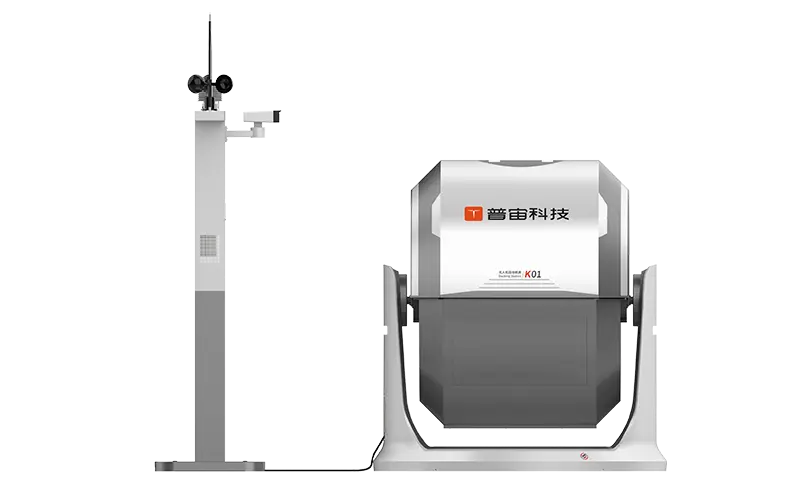
 GDU
GDU
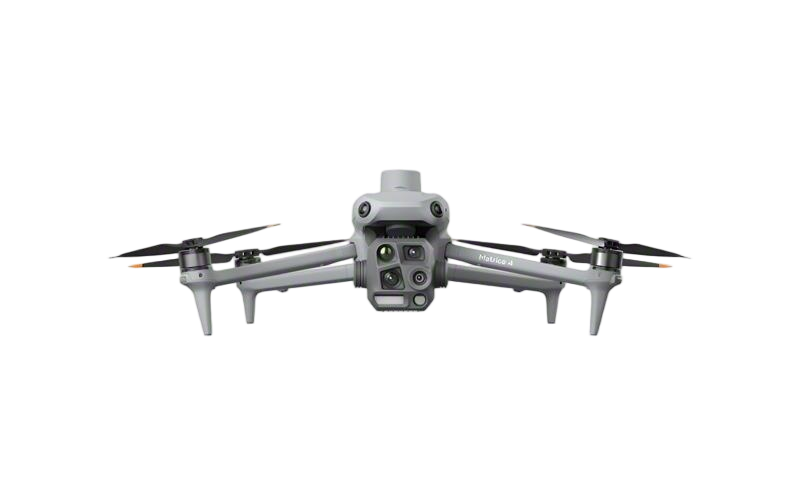 DJI
DJI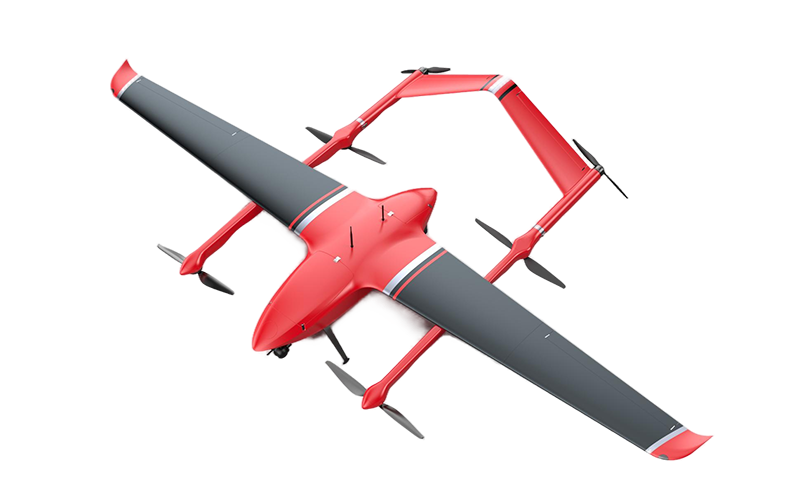 MMC
MMC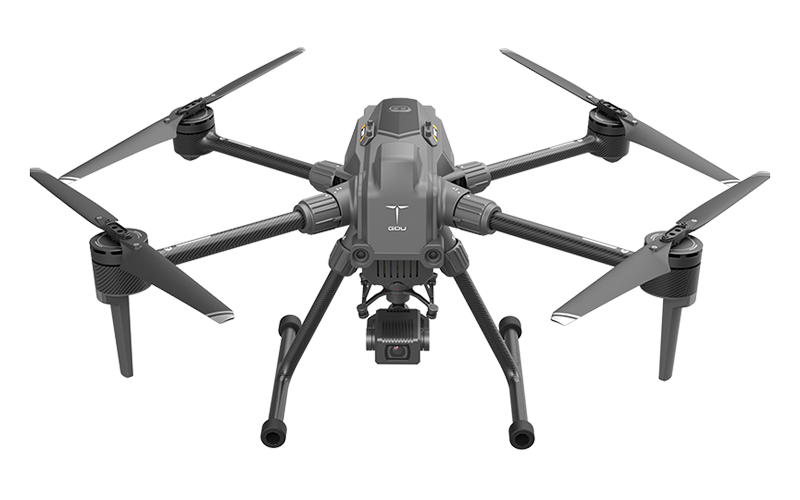 GDU
GDU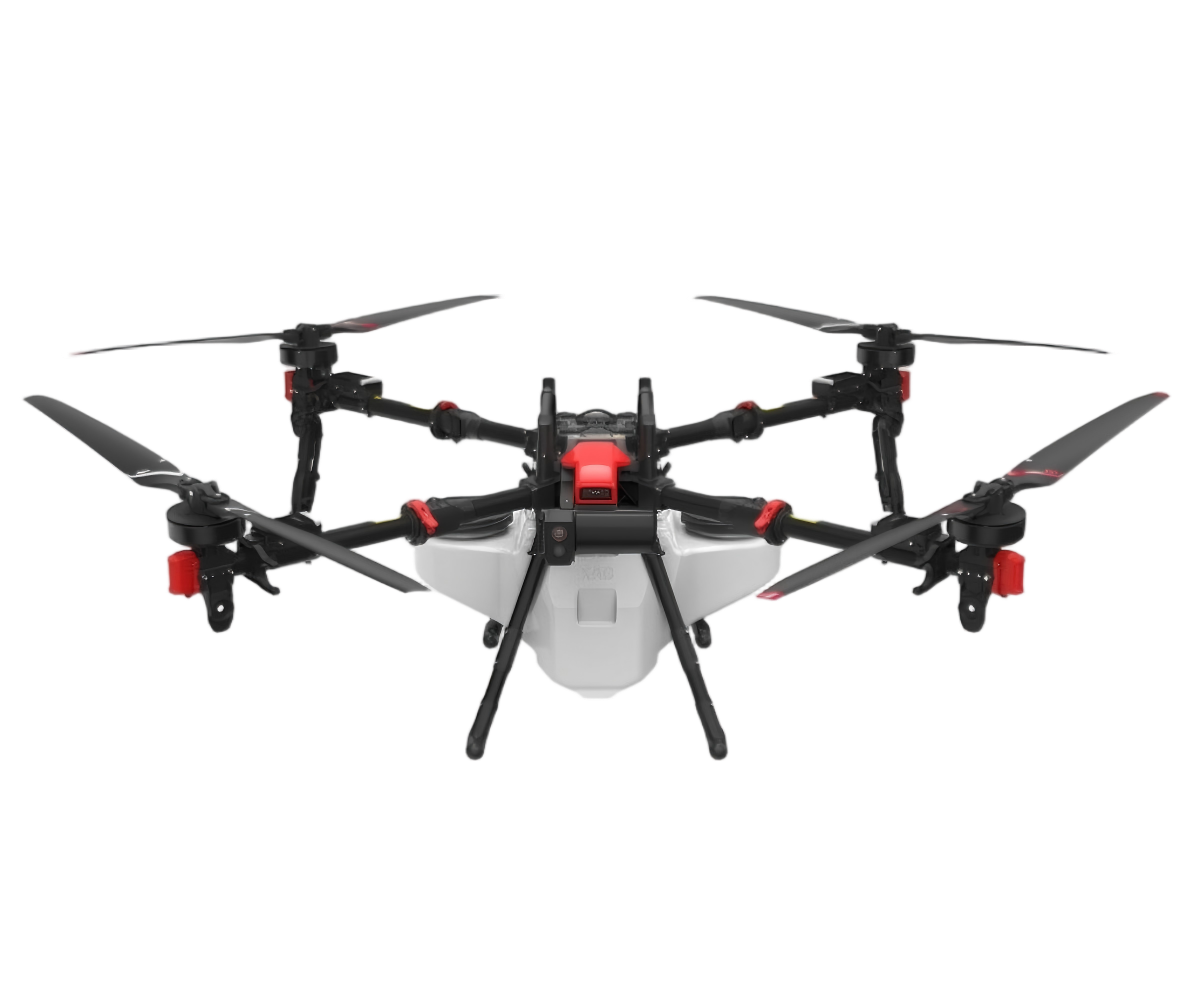 XAG
XAG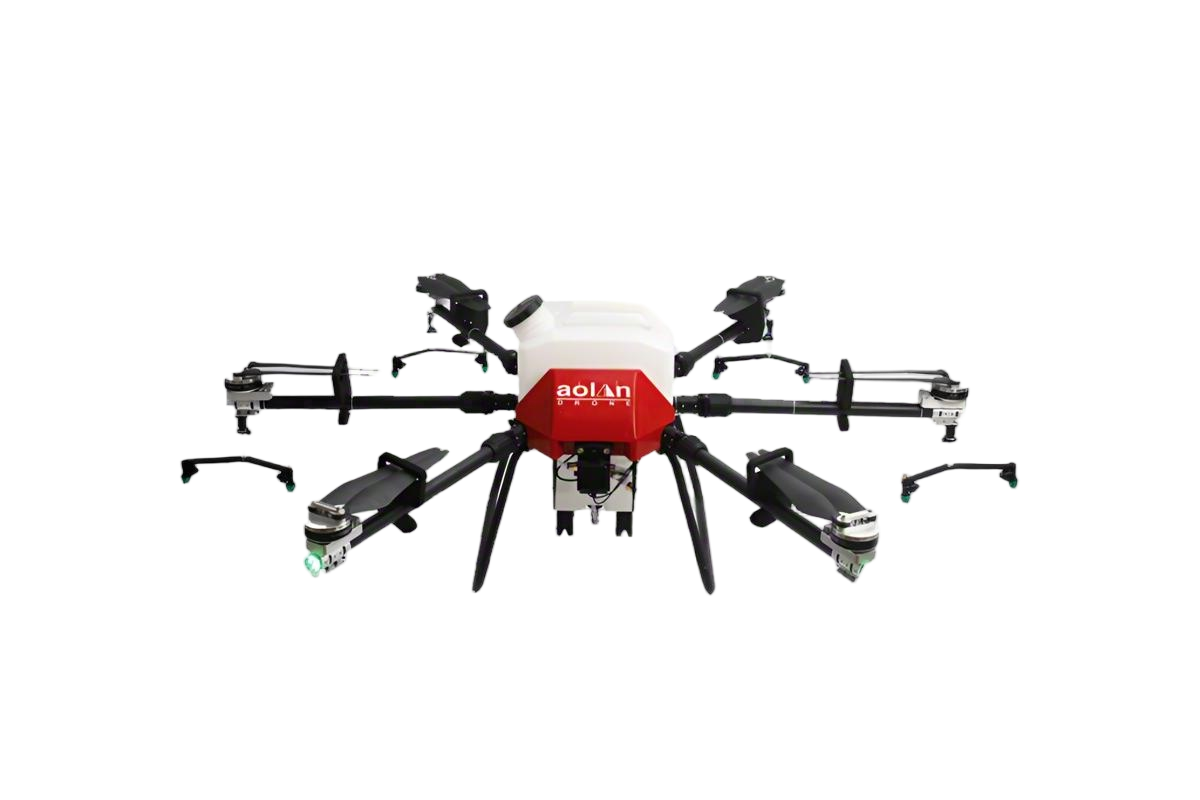 AOLAN
AOLAN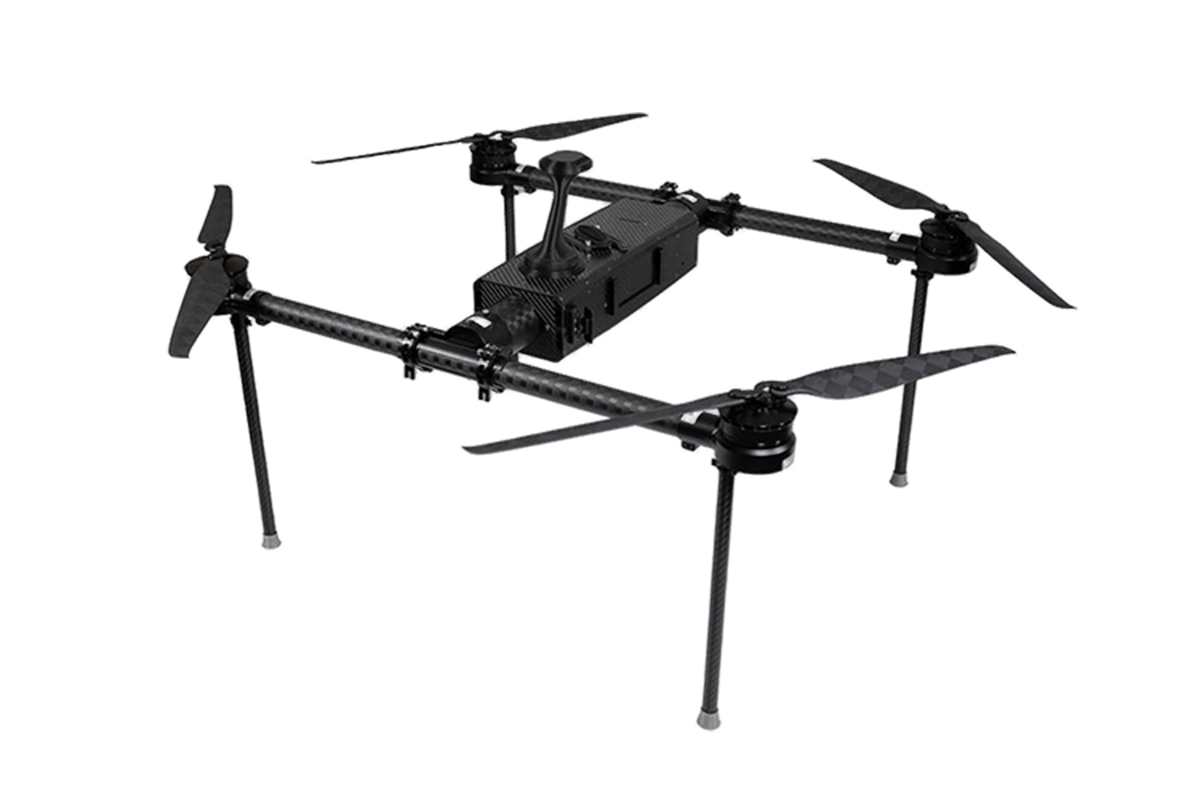 KEEL
KEEL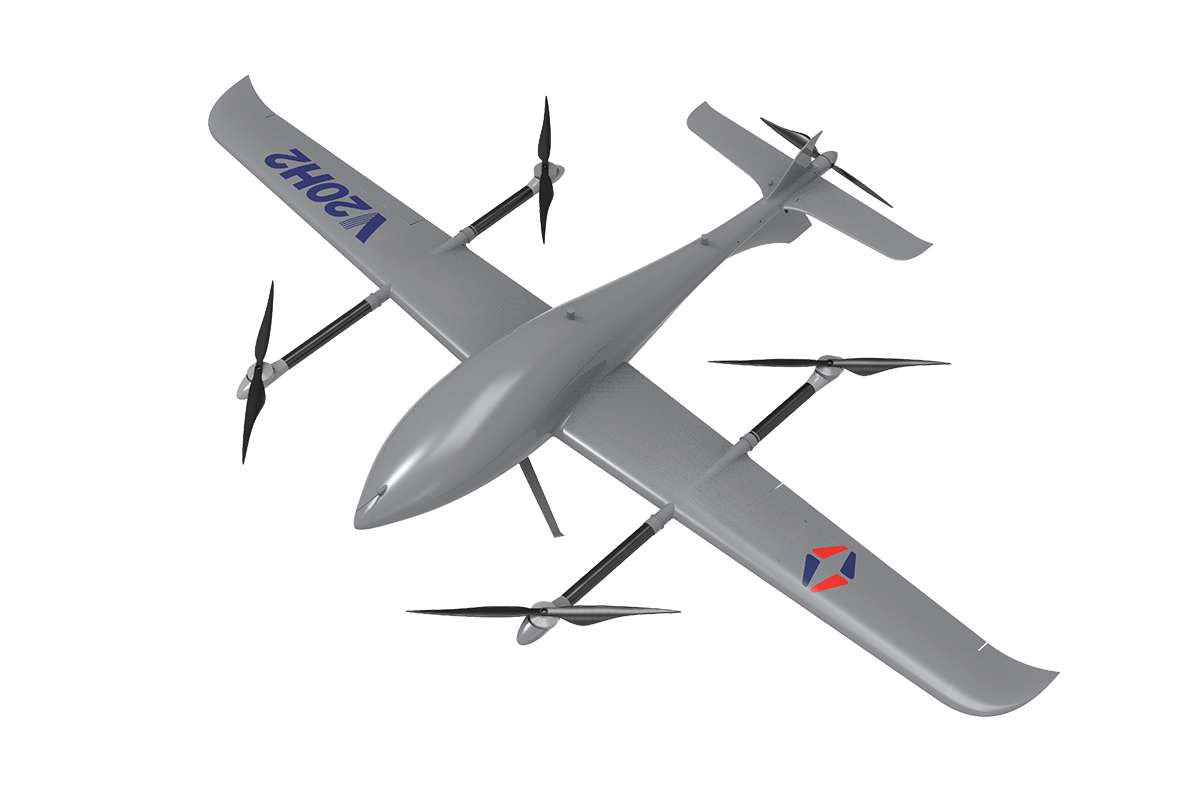 SKY NEXT
- DJI Matrice-4T
- DJI Matrice 4E Drone
- DJI Matrice 4TD
- DJI Matrice 30T
- DJI Mavic 3 Emterprise
- DJI Mavic 3M Multispectral Drone
- DJI RC 2 Plus Industry Plus
- DJI Matrice 4 Series Battery
- DJI Matrice 4D Series Batteries
- TB65 Intelligent Flight Battery
- TB100 Smart Flight Battery
- WB37 Battery
- DJI Accessories

Lately, professional drones have really changed the game when it comes to aerial photography. They've come a long way, with their capabilities expanding pretty much everywhere. You’ve probably heard of brands like DJI and Parrot—they're really dominating the scene right now. These drones pack some seriously impressive imaging tech that lets you capture those jaw-dropping shots.
If you're thinking about choosing a professional drone, it’s a good idea to keep an eye on things like image quality and how long the battery lasts in the air. For example, the DJI Mavic Pro shoots amazing 4K videos, but honestly, it might not be the best pick for everyone. Some folks find its settings a bit overwhelming and tricky to navigate. So, sometimes, another model might suit your needs way better.
Plus, with more pros jumping into the drone world, a few questions come up—are these things actually user-friendly enough for amateurs? And could they ever replace traditional photography? Honestly, it all depends on what you need as a photographer. Testing out different models and seeing what fits best will help you make smarter choices—and maybe even have some fun along the way!

Overview of Professional Drones for Aerial Photography

Aerial photography has transformed how we view landscapes. Professional drones are crucial in capturing stunning, high-quality images from above. They come equipped with advanced cameras and stabilization technology. This allows photographers to achieve breathtaking shots. A well-crafted image can convey a story, emotion, or idea.
When selecting a drone, consider key features. Flight time is essential; many models offer around 20 to 30 minutes. Resolution matters too. Higher megapixels provide sharper images. However, great photos also depend on the right conditions. Lighting can change everything. Cloudy skies can cast a dull shadow on your subject.
The learning curve can be steep. Beginners might struggle with controls and settings. Some features may feel overwhelming at first. Practice is vital. Understanding your equipment will lead to better results. Experimenting with angles and heights can yield unique perspectives. A plan is essential, but be open to unexpected results too.

Enhancing Precision Farming with the Professional Agricultural Drone AL4-22: Features, Benefits, and Applications
Precision farming has revolutionized the agricultural sector by leveraging advanced technology to enhance productivity and efficiency. The Professional Agricultural Drone AL4-22 stands out as a game-changer in this field, offering remarkable features that directly contribute to improved crop management. With its capability for precise crop spraying, this drone can significantly boost farm productivity while minimizing resource wastage. According to industry reports, the use of drones in agriculture has been projected to enhance yield by up to 10% while reducing the environmental footprint of farming practices.
One of the standout benefits of utilizing drones like the AL4-22 is their ability to deliver efficient and targeted crop spraying. This drone has been designed to operate with high precision, ensuring that every flight maximizes coverage and minimizes overlap. As a result, farmers can achieve a more uniform application of fertilizers and pesticides, which not only optimizes crop health but also translates to considerable cost savings. A report from the Agriculture Drone Market has indicated that drone technology can save farmers approximately 30% of their spraying costs due to reduced chemical usage and enhanced application accuracy.
Additionally, the AL4-22's advanced navigation systems and real-time data collection capabilities enable farmers to monitor crop health and growth variations effectively. This data-driven approach allows for proactive decision-making and timely interventions, which are crucial for maximizing yield potential. The increasing adoption of such technologies is supported by a report citing that by 2025, the precision farming market is expected to surpass $12 billion, highlighting the growing recognition of the benefits offered by agricultural drones within the industry.

FAQS
: Common symptoms include restlessness, fatigue, difficulty concentrating, and irritability. Some may experience physical symptoms too.
You can manage stress through exercise, relaxation techniques, and maintaining a good support system. It’s not always easy.
Regular exercise, healthy eating, and sufficient sleep are beneficial. Many find it hard to maintain these changes consistently.
Yes, feeling sad is a normal part of life. However, prolonged sadness may need attention and support.
You can listen and offer support. Encouraging them to seek professional help is also important. It’s challenging to navigate.
If feelings of anxiety or sadness interfere with daily life, consulting a professional is wise. This can be a tough step to take.
Some people find relief in herbal supplements or meditation. Results vary, and what works for one may not work for another.
Sleep is crucial for overall well-being. Lack of sleep can worsen mood and cognitive function. Many struggle to prioritize it.
Yes, expressing feelings can alleviate stress and provide clarity. However, it might feel uncomfortable at first.
A balanced diet can enhance mood and energy levels. Some find it challenging to stick to healthier food options consistently.
Conclusion
In the realm of aerial photography, choosing the right professional drones is essential for capturing stunning visuals. This article provides an overview of the features that make professional drones ideal for photographers, emphasizing the importance of camera quality, battery life, and flight time. When selecting a drone, users should prioritize high-resolution cameras, stable flight performance, and extended battery life to ensure optimal shooting conditions.
Additionally, the article highlights key brands known for their specialization in aerial photography drones, along with user reviews that can guide potential buyers. Understanding regulations and considerations for flying drones professionally is also crucial, allowing photographers to operate within legal parameters while maximizing creativity. With the right professional drones, photographers can elevate their work and achieve breathtaking aerial images.
Related Posts
-

10 Expert Tips for Choosing the Best Professional Drones for Your Needs
-

Top 5 Enterprise Drones Transforming Business Operations?
-

How to Choose the Best Enterprise UAVs for Your Business Needs
-

How to Choose the Best Commercial Drones for Your Business?
-

How to Choose the Right Enterprise UAV for Your Business?
-

How to Choose the Best Professional Drones for Your Needs?
