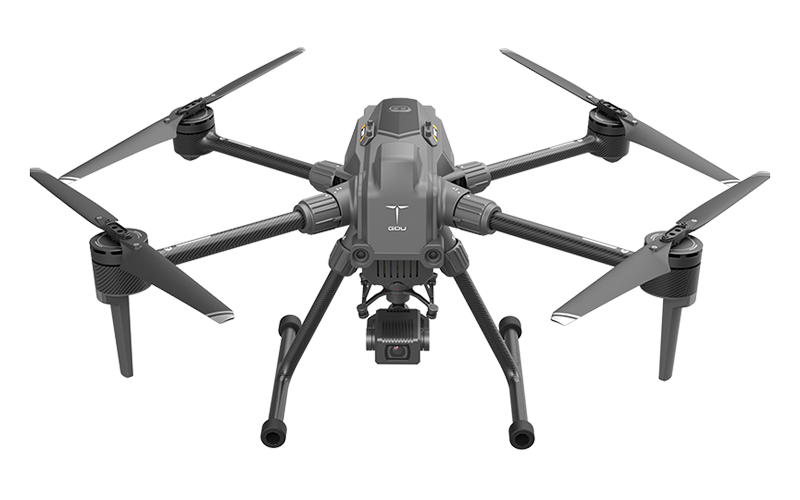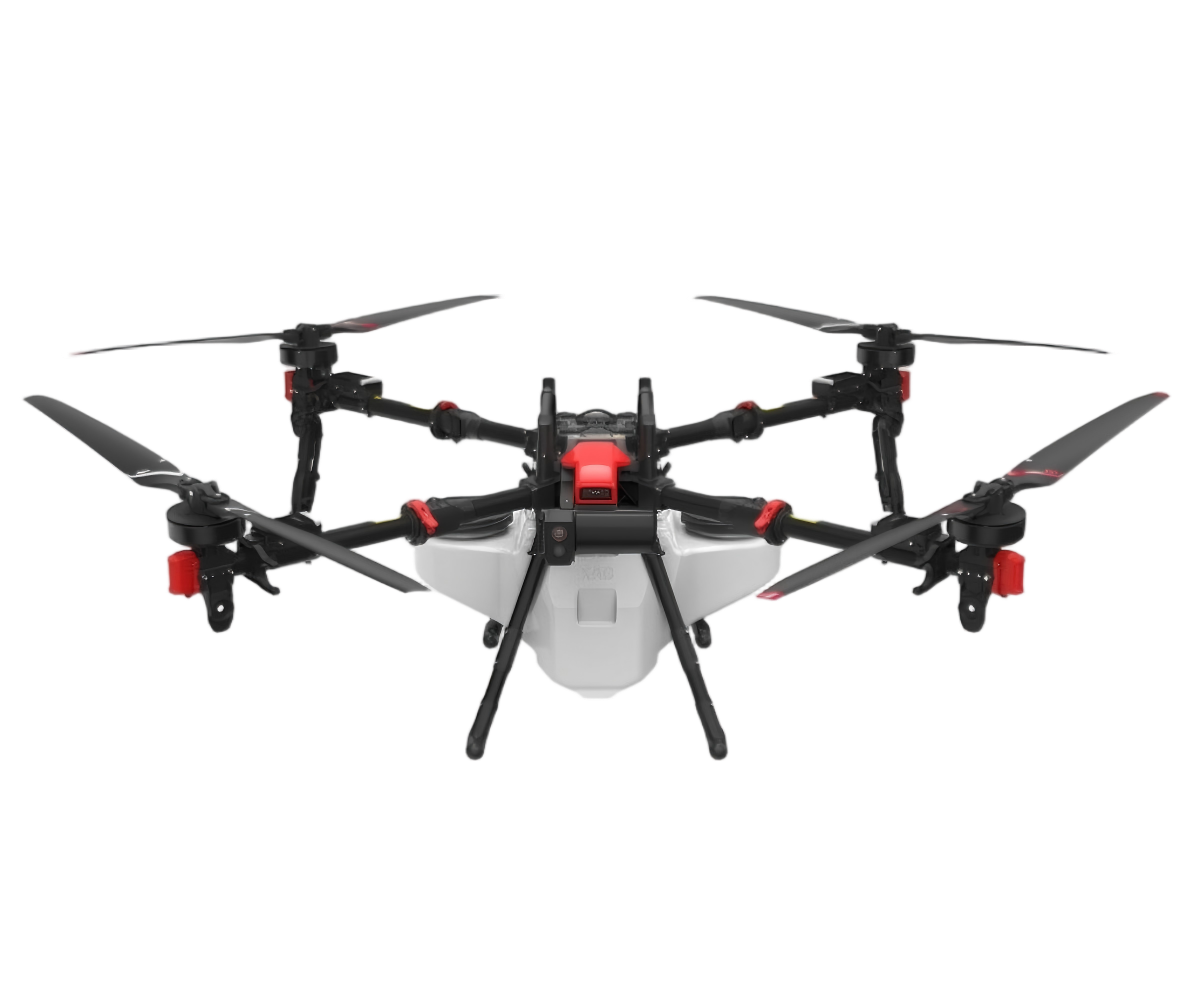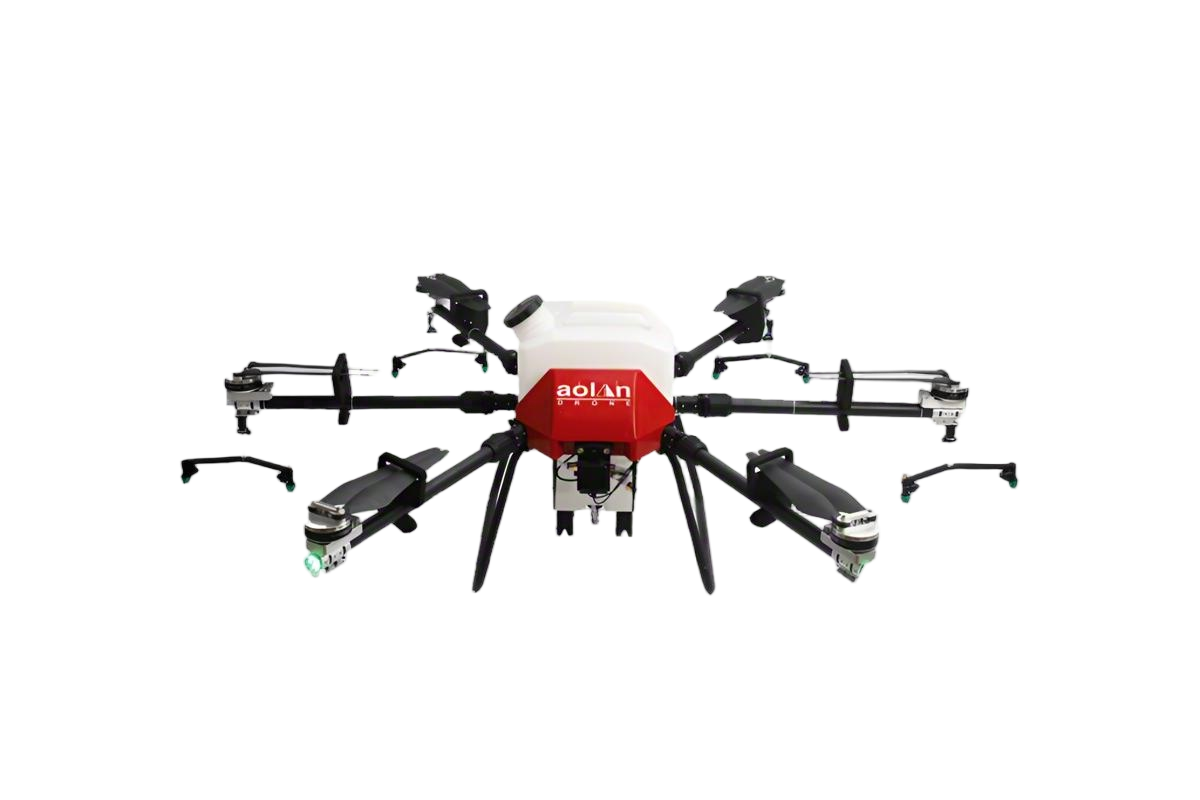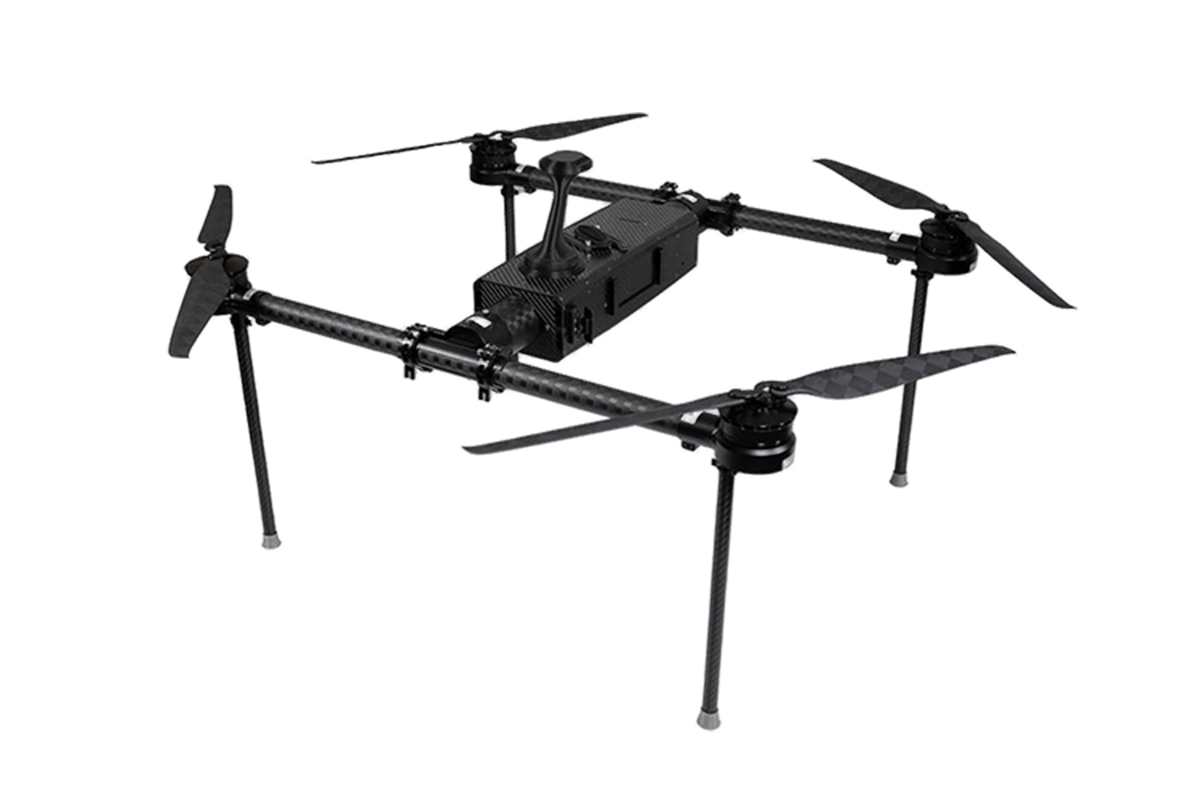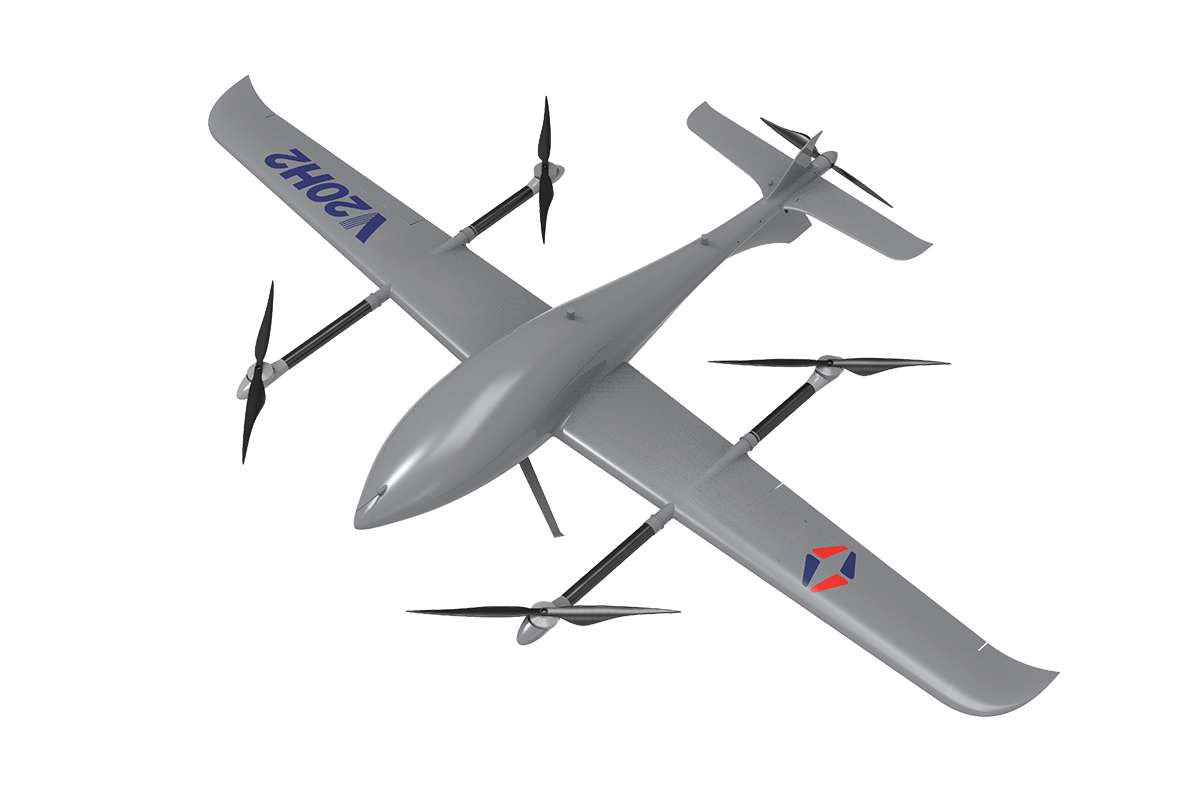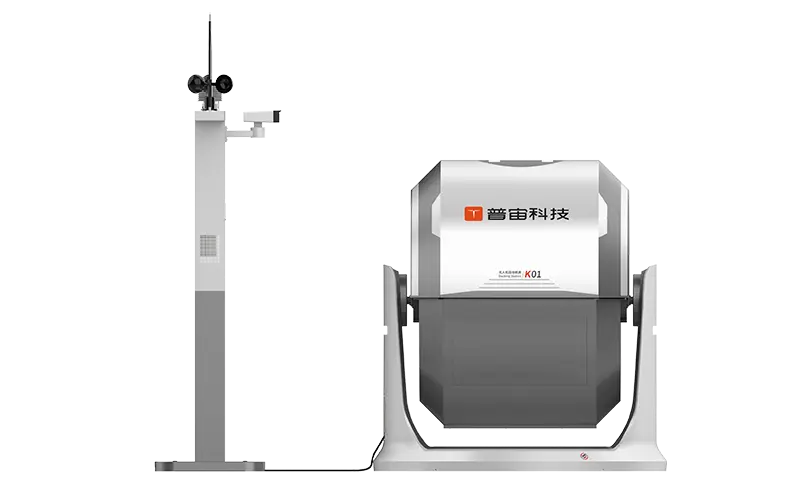
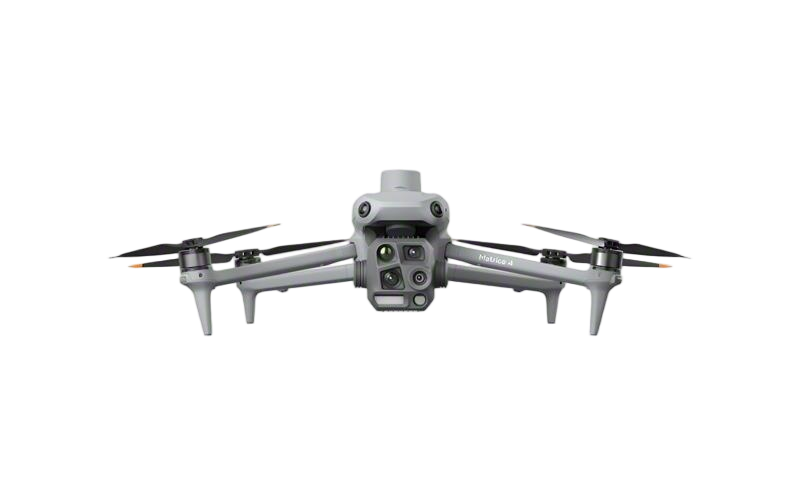
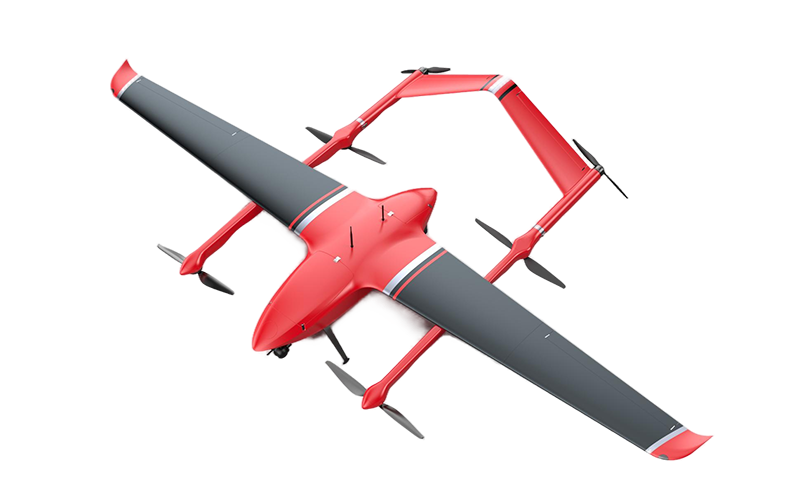
Industrial drones have really changed the game for aerial surveys and inspections across various industries. Companies like DJI and senseFly are pretty much leading the charge with their innovative tech. These unmanned aerial vehicles make collecting and analyzing data way more efficient — it’s actually pretty impressive.
Over the past few years, the role of these drones has expanded a ton. From mapping out terrains to inspecting infrastructure, they’re becoming a go-to tool. But, of course, it’s not all smooth sailing — there are still hurdles. Things like limited battery life and tricky weather conditions can really throw a wrench in operations. So, users need to stay flexible and ready to adapt as situations change.
And here’s the thing: while lots of drones come packed with fancy features, not all of them are super easy to use. Some models require serious training, which can be a major dealbreaker for smaller businesses trying to jump into aerial tech. Picking the right drone isn't just about features; it’s about making sure it fits your needs so you can get the best results during surveys. Thinking it through carefully makes all the difference if you wanna make the most out of using drones in your work.
In 2026, industrial drones have advanced significantly, transforming aerial surveys and inspections. These drones now feature high-resolution cameras and advanced sensors, enabling precise data collection. Their ability to operate in tough environments enhances their utility in various industries. For instance, they can easily navigate complex structures like bridges and tall buildings.
Despite the advancements, challenges remain. Weather conditions can impact flight stability, leading to incomplete data. Additionally, operators must still ensure compliance with safety regulations. This can make the process challenging, especially for newcomers. Generally, the learning curve is steep but essential for effective operation. Users continue to seek reliable training resources to overcome these hurdles.
The integration of AI is notable, allowing for real-time data analysis. However, this technology needs further refinement. Data accuracy is vital but not always guaranteed. Moreover, some drones struggle with battery life, limiting flight duration. These limitations are critical considerations for potential users. Finding the right balance of technology and user experience will be crucial for the future of industrial drones in inspections.
When selecting industrial drones for aerial surveys and inspections, there are key features essential for success.
Flight time is crucial.
A longer battery life allows for extensive coverage in one flight. Many drones offer 30 minutes or more, yet weather conditions can impact this.
It's vital to plan flight paths accordingly to maximize efficiency.
Camera quality is another significant factor.
High-resolution cameras capture detailed images for analysis. Some drones come with thermal imaging capabilities.
This feature is beneficial in finding energy leaks or structural weaknesses. However, using high-resolution cameras may require additional storage solutions,
which should be factored into the budget.
Navigation and stability are often overlooked but are just as important.
Drones should have reliable GPS systems for precise location tracking. Additionally, their ability to handle windy conditions is critical.
Operators need to regularly assess whether the drone maintains stability during flights.
It’s a learning process that can lead to improvements in operation and safety.
Aerial surveying has evolved significantly, with industrial drones leading the charge. These advanced tools provide high-resolution imagery and data collection capabilities that were once unattainable. According to recent industry reports, the global market for industrial drones is expected to reach $43 billion by 2026. This rapid growth underscores the demand for reliable aerial surveying solutions.
When examining top models in the industrial drone segment, several features stand out. Many drones now offer integrated GPS technology for precise location tracking. Their enhanced battery life allows for longer flight times, thus covering larger areas in a single operation. However, as technology advances, the challenge remains to ensure data accuracy and the proper training of operators. Even with cutting-edge drones, human error can lead to inaccuracies in surveys.
In addition, integrating drone data into existing systems can be complex. Some companies struggle with managing the vast amounts of data collected. Reports show that many users continue to face issues with software compatibility. As the industry matures, these challenges need addressing. Ultimately, the potential of industrial drones for aerial inspections is vast, yet it demands ongoing attention to detail and adaptation.
Aerial surveys and inspections have transformed industries. Drones now play a crucial role in this field.
They provide high-resolution imagery and real-time data collection. The evolution of drone technology is impressive but not without challenges.
Every drone has its strengths and weaknesses in specific applications.
Some drones are better suited for rugged terrain. Others excel in capturing detailed images in urban settings. >Wind resistance varies among models, impacting performance significantly.
Battery life can also be a decisive factor during long inspections. Users often find themselves frustrated by the need for frequent recharges.
Software integration is another area needing improvement. Not all drones communicate well with existing systems. This can lead to data loss or inaccuracies.
User interfaces can also be confusing for operators. As drone technology advances, these issues must be addressed to enhance usability and efficiency.
Regulatory considerations play a crucial role in the use of drones for industrial purposes. As drone technology evolves, so do the rules governing their use. Operators must stay informed about current regulations that dictate where, when, and how drones can be flown. Each region may have unique requirements. It's essential for businesses to understand local laws to avoid penalties.
Compliance is not just about following rules; it also boosts safety. Uncontrolled drone operations can lead to accidents. For instance, flying near airports risks collisions, potentially endangering lives. Inspections and surveys need a clear flight path defined by regulations. Companies can face significant challenges if they overlook these details. During inspections, gathering data under regulatory frameworks ensures information is valid and trustworthy.
The future of industrial drones relies heavily on compliance. However, many businesses may struggle with ever-changing regulations. This uncertainty can hinder growth and innovation. Finding a balance between technological benefits and regulatory constraints is crucial. Industry stakeholders must engage in dialogue with policymakers. Building a cohesive framework can support safer, more effective drone operations moving forward.
The future of industrial drone applications is evolving rapidly. Aerial surveys and inspections are now more efficient. Drones can cover large areas in minutes. High-resolution imagery and real-time data collection are becoming standard. These features transform how industries perform their operations.
In agriculture, drones enhance crop monitoring. They provide insights into health and yield. However, improper usage can lead to inaccurate data. Training is essential for operators.
In construction, drones offer a bird’s-eye view of progress. They identify potential issues early. Yet, over-reliance on technology can lead to missed details on the ground.
Environmental monitoring is another growing area. Drones can assess vegetation health and detect pollution. But, there are challenges in regulation and privacy. This raises important questions about data ethics. Balancing technology’s benefits with its implications requires careful thought. The future looks promising but is also complex.
Aerial surveys and inspections are transforming industries. They offer unmatched precision and efficiency. However, successful operations require careful planning and execution. Understanding your terrain is crucial. Each site presents unique challenges, from environmental conditions to regulations.
Before launching your drone, conduct a thorough site assessment. Identify potential obstacles, including trees or buildings. Weather conditions also play a major role. Wind and rain can affect flight stability. Don’t underestimate the impact of lighting, either. Poor visibility can hinder image quality.
Additionally, maintaining compliance with local regulations is vital. Operators must be aware of airspace restrictions. Training is also essential. Drone operators should be skilled in piloting and data analysis. Continuous learning helps improve practices. Reflections on past missions can reveal important lessons. What went well? What could be improved? These are questions worth exploring.
: Customer feedback helps improve services. It identifies strengths and weaknesses. Companies can enhance user experience.
You can submit feedback via surveys, emails, or online forms. Choose a method that suits you best.
Your feedback contributes to future improvements. It provides insights that may be overlooked. Every voice matters.
Changes may take time. It depends on the nature of the feedback. Some might be quick, others slow.
Yes, many platforms allow anonymous submissions. This ensures honesty without fear of repercussions.
Sometimes feedback may be overlooked. It’s helpful to follow up. Persistence shows your interest in improvement.
Often, there are no direct rewards. However, your input influences better services for everyone. That’s a reward too.
Feedback can lead to changes, but not always immediate. Decisions depend on various factors and priorities.
Companies often categorize feedback by impact. Urgency and frequency also play a role in decision-making.
While responses vary, not all feedback gets personal replies. Sometimes a general acknowledgment is sent.
The article "2026 Best Industrial Drones for Aerial Surveys and Inspections" provides a comprehensive overview of the evolving landscape of industrial drones in 2026, emphasizing their pivotal role in aerial surveying and inspection tasks. Key features essential for these applications are discussed, such as advanced imaging capabilities, flight endurance, and data processing efficiencies. The article also highlights various top industrial drone models suited for these purposes, alongside a comparative analysis of the technologies that enhance inspection efficacy.
Furthermore, regulatory considerations are addressed, emphasizing the importance of compliance in drone operations. It looks ahead to future trends indicating how industrial drones will increasingly integrate with emerging technologies and emphasizes best practices for optimizing aerial survey and inspection operations. This synthesis of information assists businesses in navigating the complexities of adopting industrial drones for enhanced operational efficiency.