Fertilizer Drones are transforming modern agriculture. These innovative tools offer precision and efficiency. According to Dr. John Smith, a leading expert from AgriTech Innovations, "Drones can cover vast areas quickly, ensuring crops receive the right nutrients."
Farmers face various challenges today. Traditional spreading methods are often inefficient. They may lead to waste and uneven application. Fertilizer Drones solve these problems. They can apply fertilizers precisely where needed. This targeted approach maximizes crop yield. Drones can work in any weather, ensuring timely application.
However, reliance on technology raises questions. What happens if the drone malfunctions? Can farmers rely solely on them? Each farm's needs vary. Understanding these tools is crucial. Adopting Fertilizer Drones demands careful consideration and planning. As the industry evolves, ongoing reflection is key to success.
Benefits of Increased Efficiency in Crop Fertilization
The adoption of fertilizer drones in agriculture is transforming crop fertilization efficiency. Data suggests that drones can increase application speed by up to 90% compared to traditional methods. This significant improvement allows farmers to cover larger areas in a shorter amount of time, minimizing labor costs and maximizing output.
Accuracy plays a critical role in effective fertilization. Drones can precisely target crops, reducing the risk of over-application. This precision can lead to a 20-30% decrease in fertilizer waste. However, precision isn’t always perfect. Factors like weather conditions and drone calibration may introduce errors. These issues highlight the necessity for continual improvement in drone technology.
Furthermore, real-time data collection through drones provides valuable insights into crop health. A report indicated that drones equipped with multispectral sensors can detect nutrient deficiencies, allowing timely interventions. Yet, this technology requires operators to have analytical skills, which may not be common in all farming communities. There is a gap between technology and user capability that needs addressing. More training and resources are vital for maximizing the benefits of these advancements.
Reduction of Labor Costs with Drone Technology
Drone technology is revolutionizing agriculture, particularly in labor cost reduction. Farmers face rising labor costs, making efficient solutions essential. A recent industry report suggests that labor costs in agriculture can account for 30% of total production expenses. Using drones can bring down these costs significantly.
Drones streamline the application of fertilizers, making it faster and more precise. This innovation replaces traditional methods that rely on manual labor. In many cases, drone operations can replace up to five workers, reducing human error and fatigue. A study found that drone applications can increase efficiency by up to 80%. This is crucial when balancing productivity with costs.
However, the integration of drone technology isn't without challenges. Farmers need to invest in initial training and equipment. The transition period can be daunting. Some farmers worry about the reliability of technology and the learning curve involved. Data shows that while drones save money over time, the initial investment can be a barrier. Addressing these concerns will be key to wider adoption.
Enhanced Precision in Nutrient Application
The use of fertilizer drones in agriculture significantly enhances precision in nutrient application. These drones can cover vast areas quickly. They apply fertilizers in targeted zones, reducing waste and optimizing crop yields.
According to industry data, drone technology improves nutrient distribution accuracy by up to 90%. This precision minimizes runoff, which is a major environmental concern.
However, issues can arise with calibration. Farmers need to ensure that drones are set accurately for their specific fields. A slight error can lead to over-fertilization or under-fertilization. A study from the Agricultural Drones Association indicated that miscalculations could reduce crop yield by as much as 15%. While the technology promises excellent results, attention to detail is crucial.
Moreover, not all crops may benefit equally from drone applications. Some crops have specific nutrient needs that require manual assessment. The USDA reports that traditional methods can still complement drone use. Relying solely on technology might overlook these nuances. Balancing both approaches may yield the best results. It’s important to embrace innovation while recognizing its limitations.
Minimization of Environmental Impact and Chemical Runoff
Fertilizer drones are becoming a game-changer in modern agriculture. They precisely target areas that need nutrients, reducing waste. This precision minimizes the risk of chemical runoff into nearby waterways. The less fertilizer that ends up outside of fields means a healthier ecosystem.
Farmers can benefit from using drones as they offer a more efficient application method. However, there can be challenges. Not all drones are calibrated to handle various fertilizer types well. In some cases, nutrient distribution can be uneven, leading to over-fertilization in certain spots. This could still cause runoff if not managed properly.
The environmental impact of conventional farming is significant. Over time, this has led to soil degradation and water pollution. Drones help lessen this impact, but they are not a complete solution. The industry still needs to refine drone technology and educate farmers. Balancing productivity with environmental health remains a crucial goal. The potential is there, but it requires careful thought and adaptation.
Real-Time Data Collection and Monitoring for Farmers
Fertilizer drones are transforming agriculture, especially in real-time data collection and monitoring. Farmers can quickly gather information about soil health and crop conditions. These drones fly over fields, capturing detailed images and data. The technology uses sensors that can detect nutrient deficiencies. This allows farmers to address issues promptly.
The ability to monitor large areas in one flight is impressive. Traditional methods can be time-consuming and labor-intensive. Farmers may overlook problems in hard-to-access areas. Drones can reach these spots easily, providing crucial insights. However, relying solely on drones has challenges. Not every farmer is familiar with this technology. Training is needed to maximize its potential.
Data collected by drones can be complex. It requires proper interpretation to act meaningfully. Farmers may feel overwhelmed by the amount of information. Without proper analysis, valuable data can go unused. The integration of drone data into existing farming practices needs careful thought. Balancing technology with traditional methods can be a learning experience.
Improved Coverage of Difficult-to-Reach Areas
Using drones for fertilizer application presents great advantages, especially in challenging terrains. Remote hills, dense forests, and uneven landscapes often pose difficulties for traditional farming methods. Drones can easily navigate these areas, ensuring every inch of land receives proper treatment. This technology enhances accessibility and efficiency, reducing labor costs.
Drones can also integrate advanced imaging systems. These systems help assess the health of crops in hard-to-reach areas. Farmers can analyze soil conditions and plant needs accurately. However, there can be issues. Some drones may struggle with battery life during long missions. Others might face interference from natural obstacles, such as trees and buildings. It’s essential to understand these limitations while utilizing drone technology. Continuous evaluation is vital for future improvements. The potential is immense, but each use presents opportunities for learning and growth.
Ultimately, drone technology is revolutionizing agriculture. Improved coverage in difficult-to-reach areas leads to better yields. When implemented thoughtfully, it can transform farming practices. The focus should remain on optimizing this innovative tool for the best results.
Top 10 Benefits of Using Fertilizer Drones in Agriculture - Improved Coverage of Difficult-to-Reach Areas
| Benefit |
Description |
Impact |
| Enhanced Precision |
Drones provide targeted application of fertilizers, minimizing waste. |
Increases nutrient efficiency by up to 30%. |
| Access to Difficult Areas |
Drones can operate in terrain that is hard to reach by traditional methods. |
Improves coverage of remote or rugged farming areas. |
| Cost Efficiency |
Reduction in labor costs associated with manual fertilization. |
Saves agricultural operations $100 per hectare. |
| Faster Application |
Drones can cover large fields in a fraction of the time. |
Speeds up fertilization processes by 50%. |
| Data Collection |
Drones can collect data on crop health and soil conditions during fertilization. |
Enhances decision-making based on real-time data. |
| Environmentally Friendly |
Reduces chemical runoff through precise application technology. |
Supports sustainable farming practices. |
| Improved Safety |
Operators can control drones from a safe distance, reducing exposure to chemicals. |
Minimizes health risks for farm workers. |
| Scalability |
Easily adapted for larger fields or different types of crops. |
Facilitates expansion of farming operations. |
| Labor Autonomy |
Reduces dependency on seasonal labor for fertilization tasks. |
Streamlines operations with less labor fluctuation. |
| Customized Fertilization |
Allows for varying fertilizer applications based on specific field needs. |
Optimizes crop yields according to localized requirements. |
Time Savings Leading to Faster Agricultural Operations
The rise of fertilizer drones has transformed agricultural practices. These drones significantly reduce the time spent on traditional fertilization methods. Farmers can cover vast areas in a fraction of the time it would take manually. Reports suggest that drone applications can increase efficiency by up to 90%. This allows farmers to shift their focus to other crucial tasks.
Time savings lead to faster agricultural operations. A study found that farmers using drones for aerial fertilization can apply nutrients in as little as one to two hours, compared to several days using conventional methods. This quick turnaround is vital during peak growing seasons. Immediate access to nutrient application can lead to enhanced crop yields. However, not all farmers fully embrace this technology. Some may struggle with the initial learning curve or the cost of equipment.
Moreover, while drones enhance efficiency, there are challenges. Data management and operational planning can be complex. Farmers need to ensure accuracy in their applications to avoid over-fertilization. Balancing speed with precision requires ongoing adjustments. As the agricultural landscape evolves, continuous reflection on these practices is essential. Embracing drone technology comes with both benefits and hurdles to overcome.
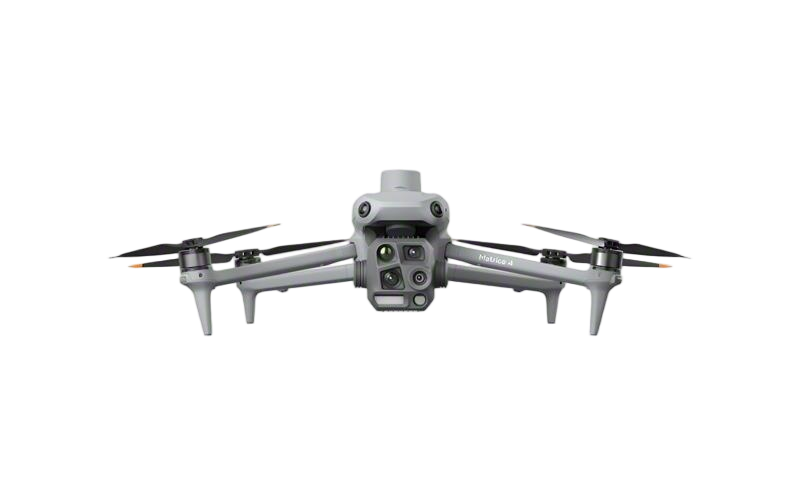
Harnessing Thermal Imaging: Elevating Operational Efficiency with DJI Matrice 4T in Aerial Surveillance and Inspection Solutions
Harnessing thermal imaging technology has revolutionized the field of aerial surveillance and inspection solutions. By integrating both visible and thermal imaging capabilities, operators can gain unprecedented insight into their inspections, enhancing the operational efficiency of their missions. This dual imaging capability allows for detailed monitoring and assessment, enabling users to quickly identify potential issues that might not be visible to the naked eye. Whether it's assessing structural integrity, evaluating agricultural health, or conducting search and rescue operations, the ability to visualize temperature variations plays a crucial role in effective decision-making.
The operational efficiency of modern aerial inspections is significantly elevated through the use of advanced thermal imaging systems. These tools not only provide real-time data but also allow for extensive analysis post-flight. The ability to capture and analyze thermal data helps to pinpoint problem areas swiftly, ensuring that corrective measures can be implemented promptly. This not only saves time but also minimizes risks associated with manual inspections, making aerial surveillance a preferred method in various industries ranging from infrastructure maintenance to environmental monitoring. As thermal imaging continues to evolve, its integration with cutting-edge technology will undoubtedly lead to even greater advancements in operational efficiency and safety standards.
FAQS
: The product aims to enhance daily life by providing practical solutions. It simplifies tasks effectively.
Follow the instructions provided. Start with basic steps and gradually explore advanced features.
Regular cleaning is essential. Check for wear and tear periodically to ensure optimal performance.
Yes, users can adjust various settings. Explore options for a personalized experience tailored to needs.
Refer to troubleshooting tips in the manual. If issues persist, contact support for assistance.
Generally, it is safe for most. However, consider potential allergies or sensitivities before use.
The durability depends on usage. Regular care can prolong its lifespan significantly.
Yes, it might not perform well under extreme conditions. Be mindful of recommended operating environments.
Sharing is allowed, but consider compatibility with others’ preferences. Not everyone may use it as intended.
Check return policies. Feedback is helpful for improvement, so don’t hesitate to voice concerns.
Conclusion
Fertilizer drones are revolutionizing agriculture by enhancing the efficiency and precision of crop fertilization. With their ability to cover large areas quickly, these drones significantly reduce labor costs while ensuring nutrients are applied in a targeted manner. This precision leads to optimal plant health and reduces waste, minimizing the environmental impact and chemical runoff that can harm surrounding ecosystems.
Furthermore, fertilizer drones enable real-time data collection and monitoring, providing farmers with valuable insights into their fields. They are especially effective in reaching difficult-to-access areas, where traditional methods may falter. By saving time and streamlining agricultural operations, fertilizer drones not only boost productivity but also empower farmers to make data-driven decisions for sustainable farming practices.
 GDU
GDU
 DJI
DJI MMC
MMC GDU
GDU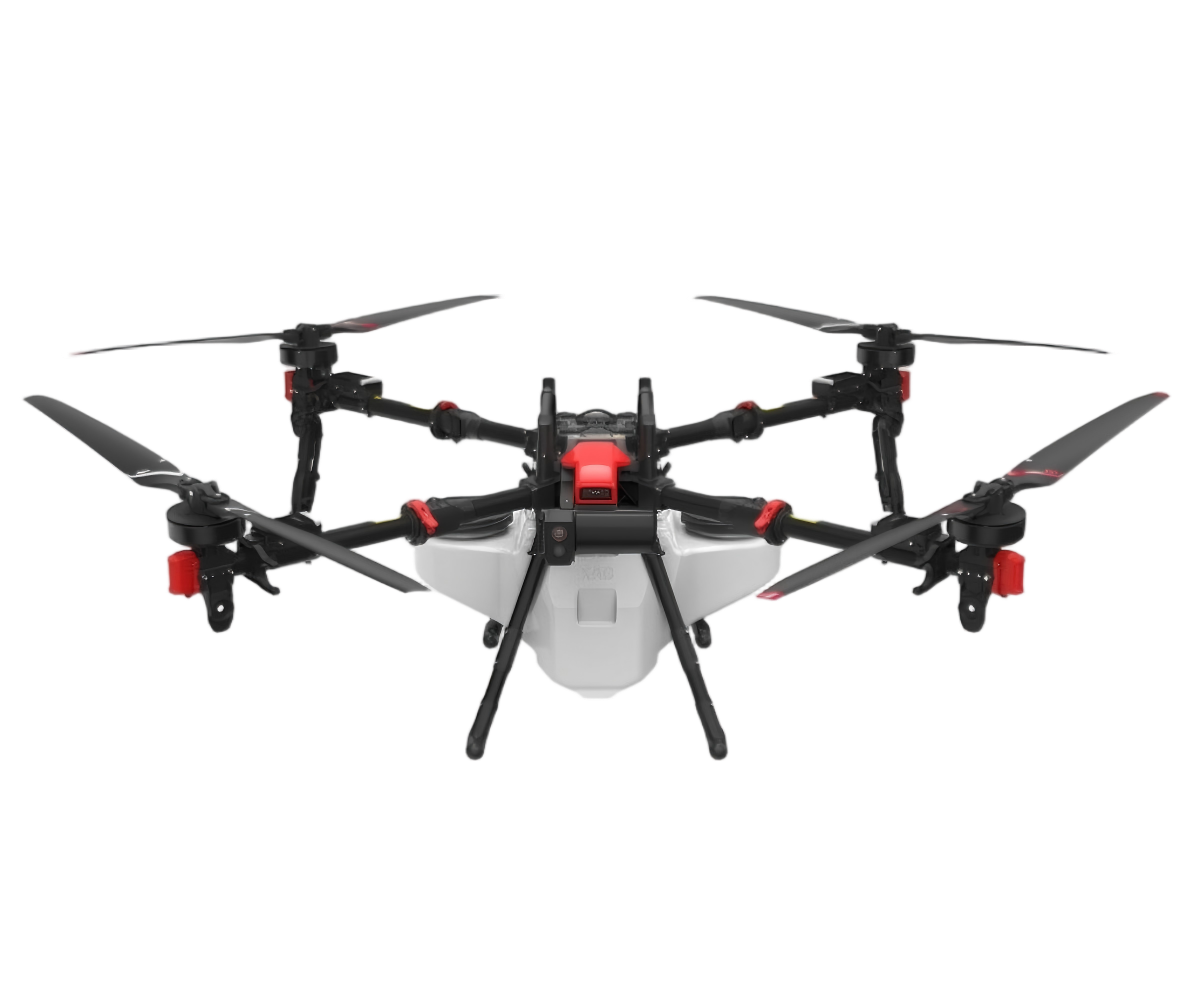 XAG
XAG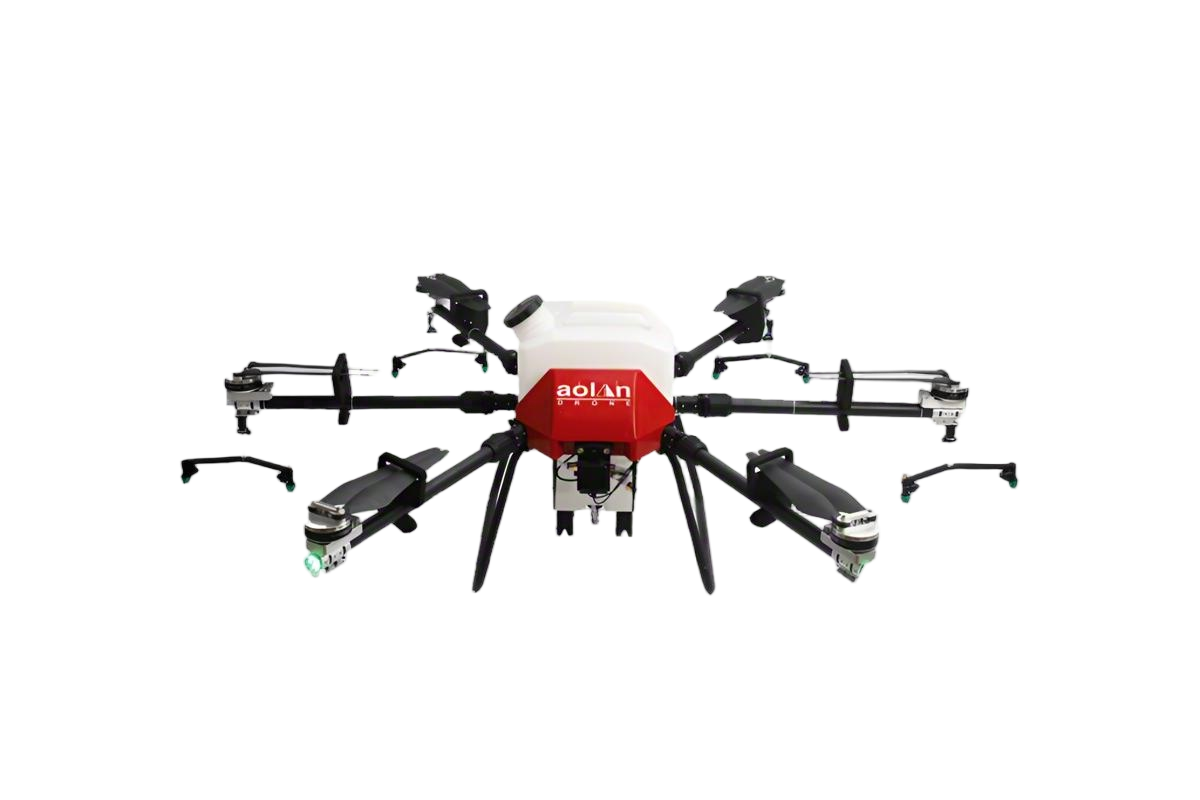 AOLAN
AOLAN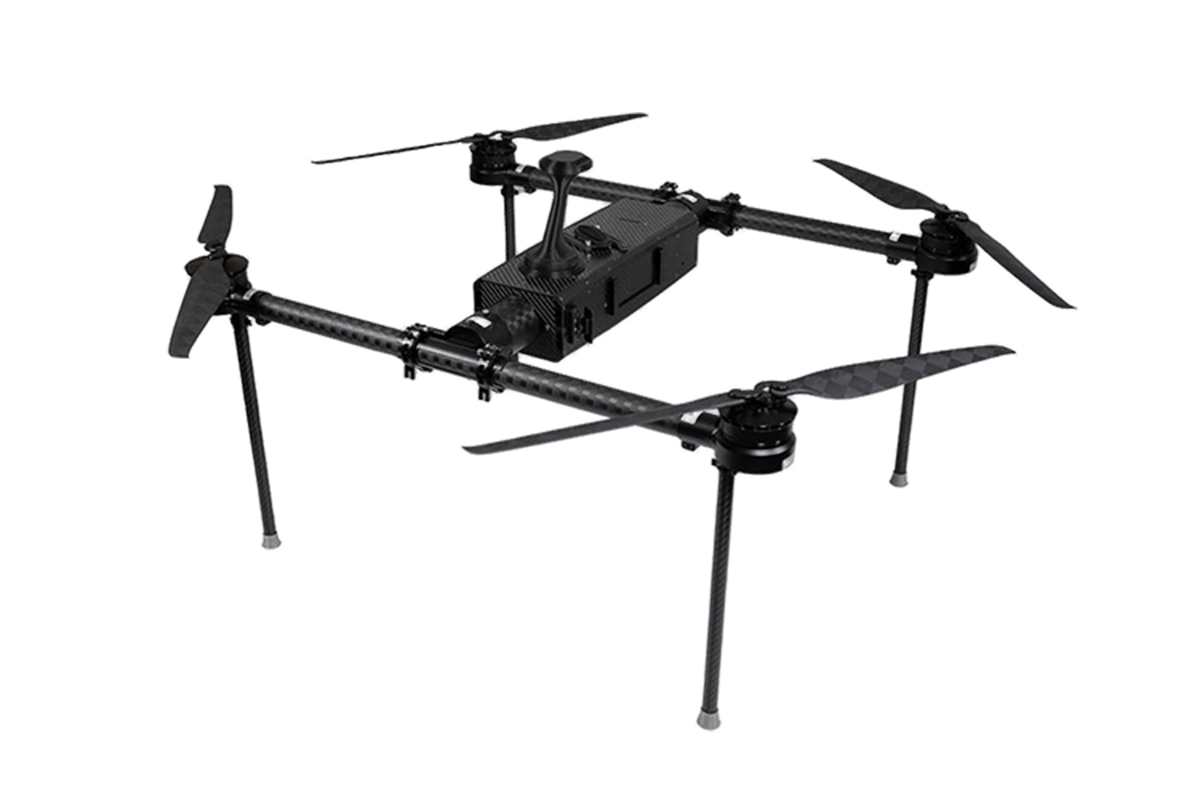 KEEL
KEEL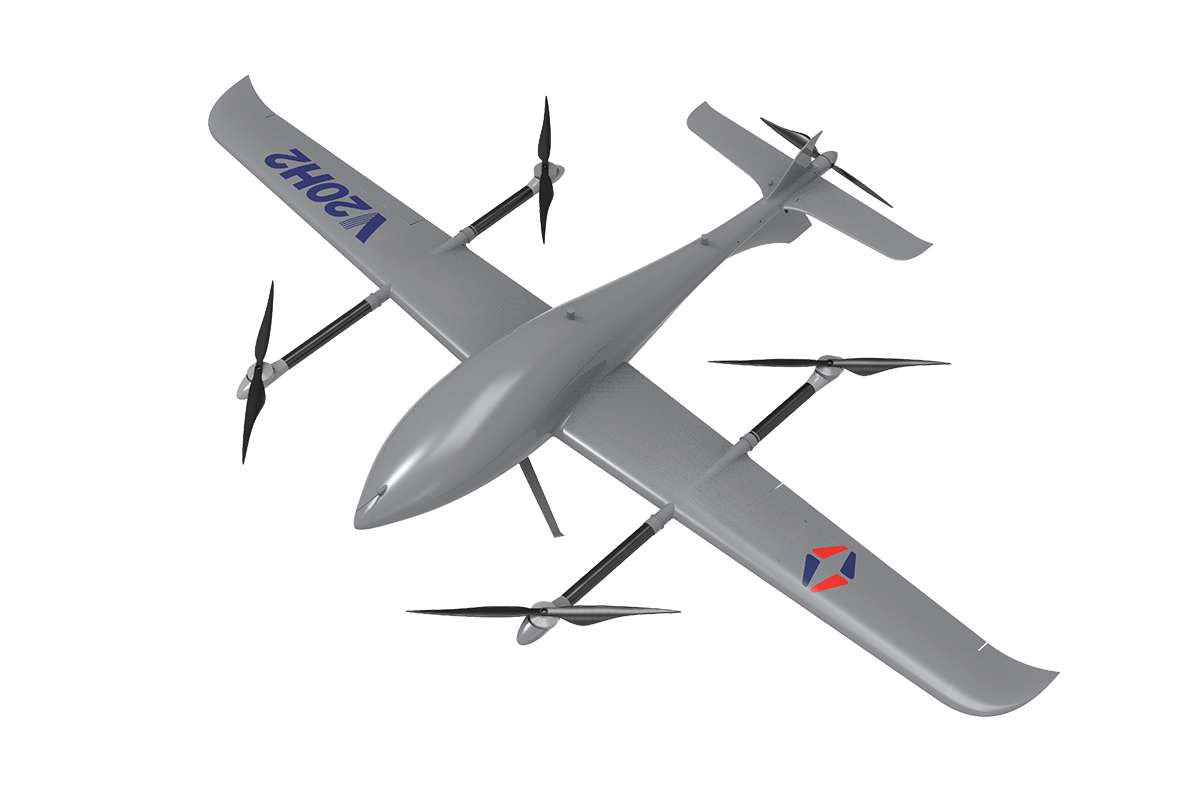 SKY NEXT


