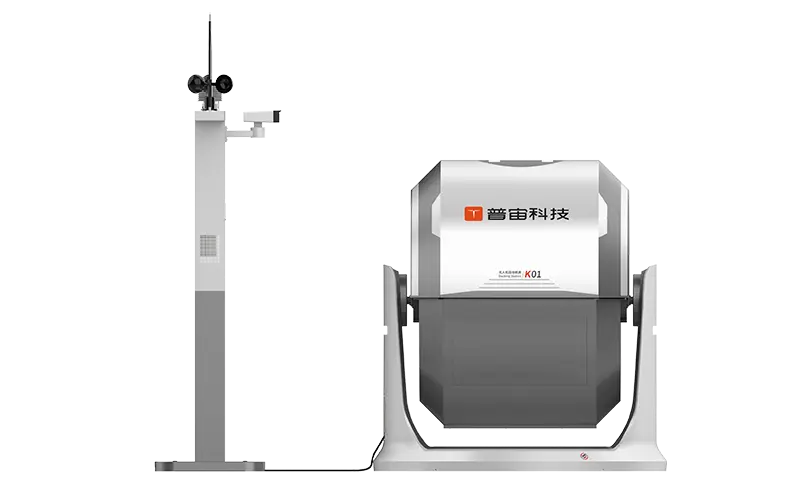
 GDU
GDU
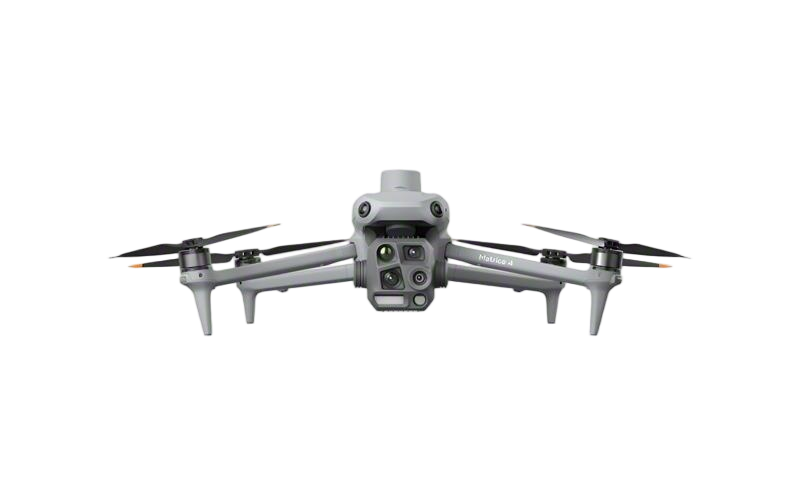 DJI
DJI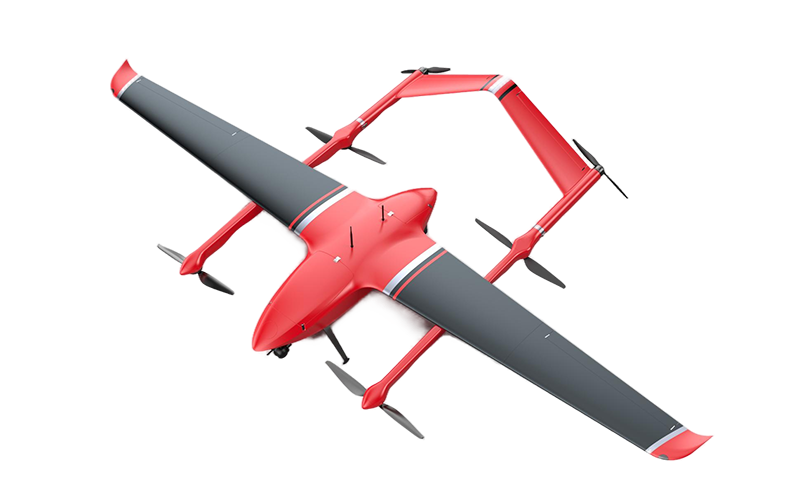 MMC
MMC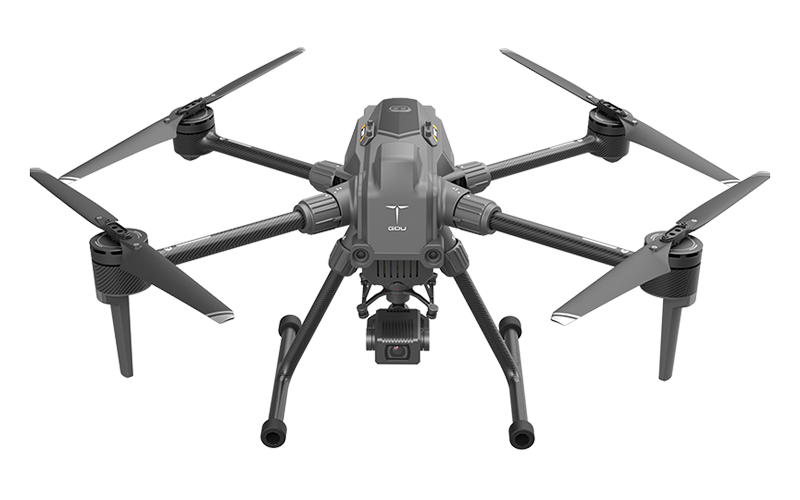 GDU
GDU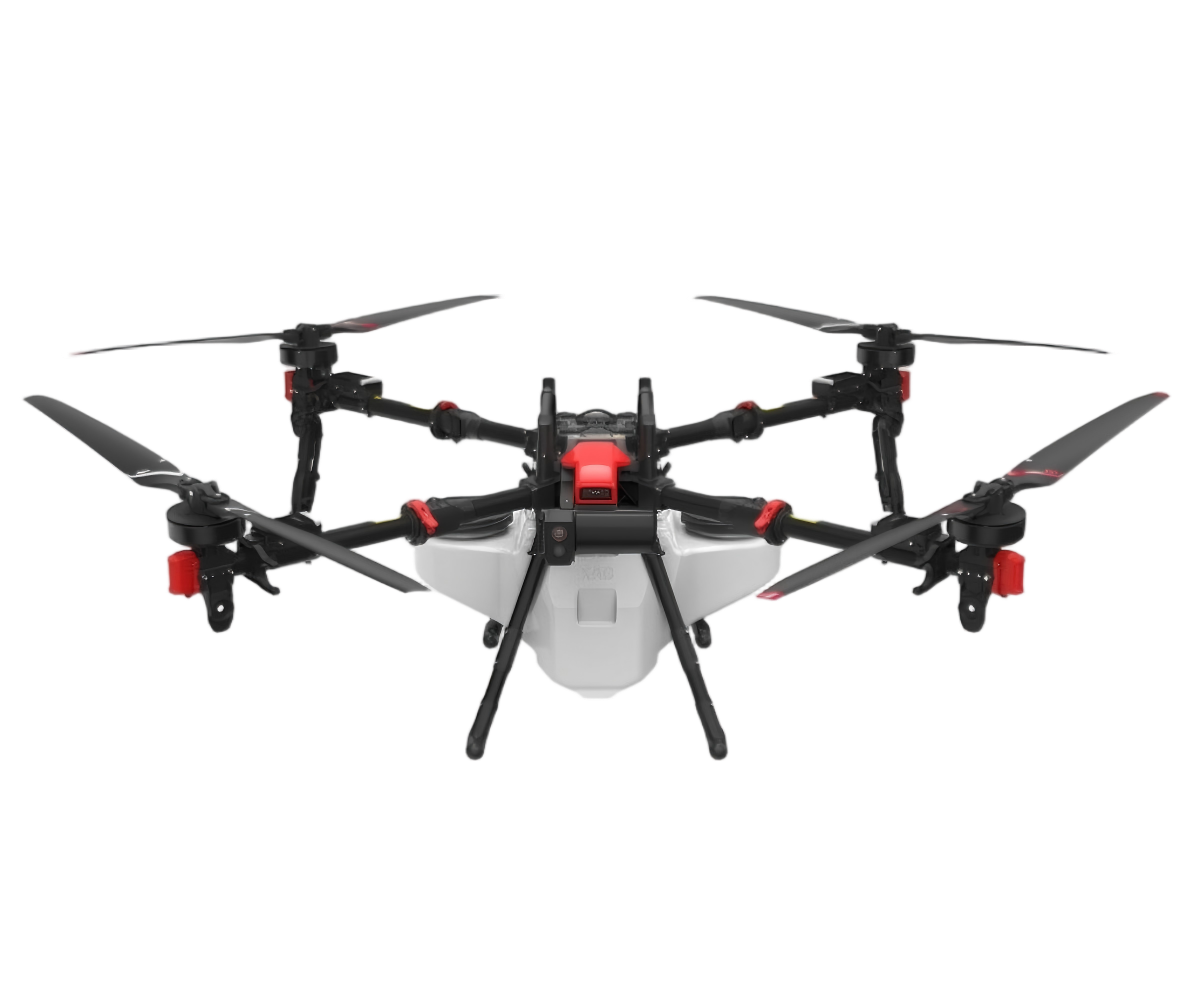 XAG
XAG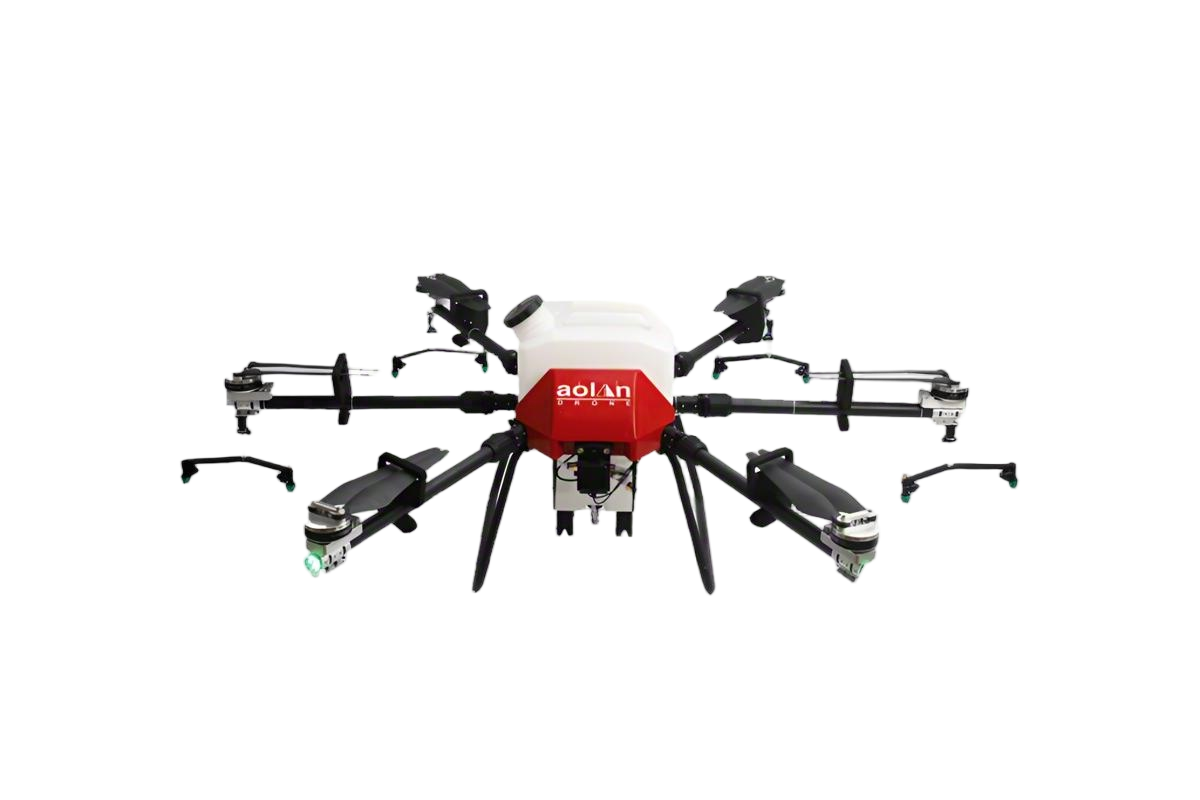 AOLAN
AOLAN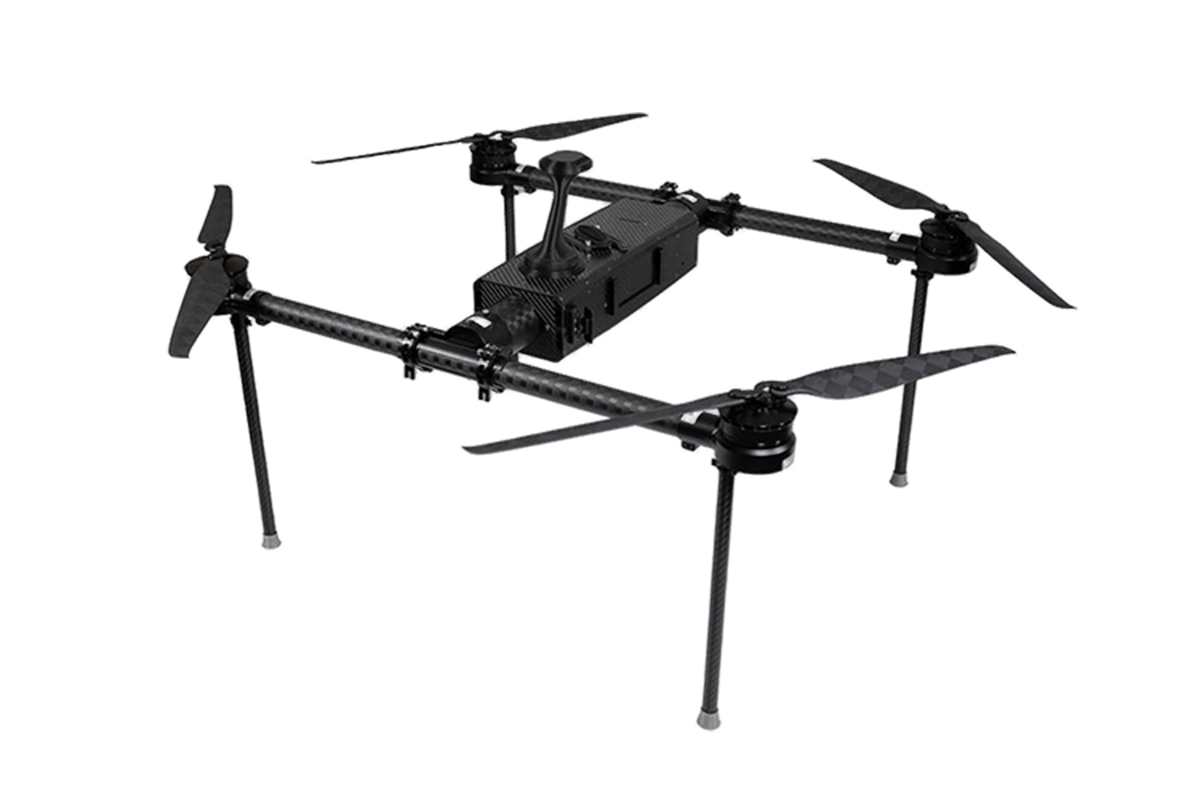 KEEL
KEEL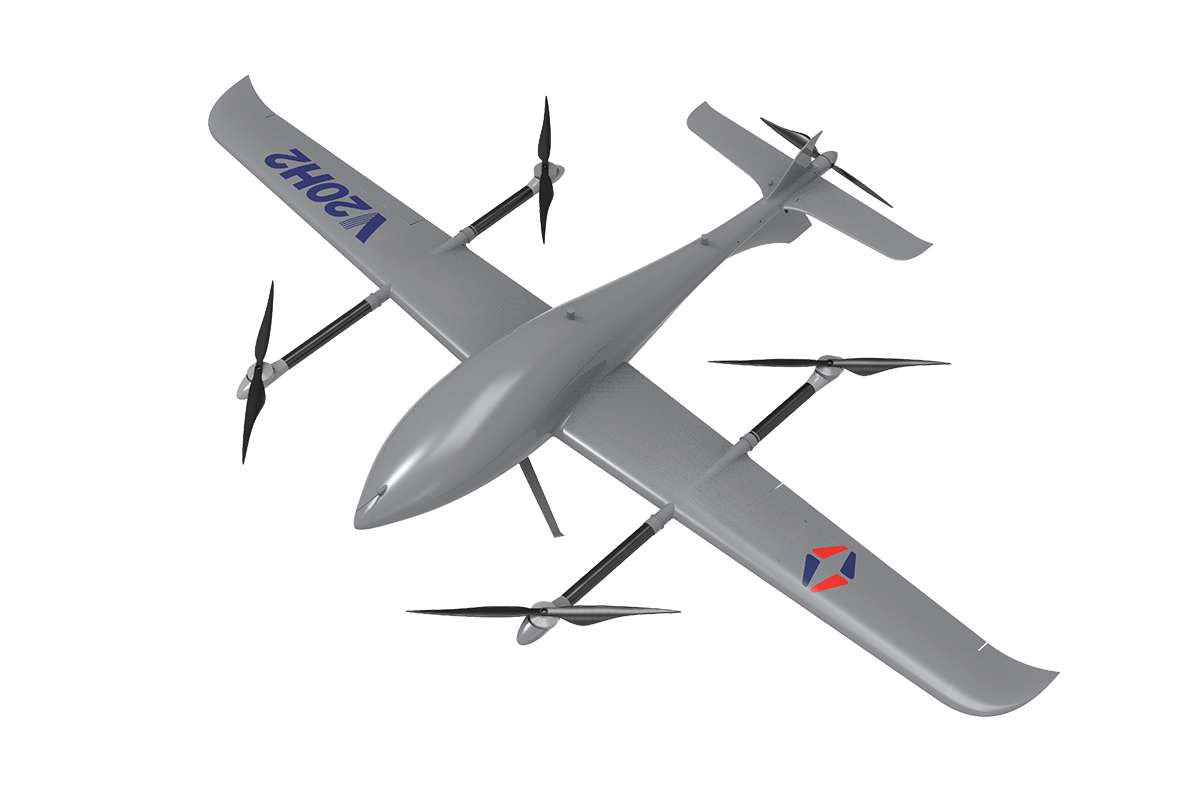 SKY NEXT
- DJI Matrice-4T
- DJI Matrice 4E Drone
- DJI Matrice 4TD
- DJI Matrice 30T
- DJI Mavic 3 Emterprise
- DJI Mavic 3M Multispectral Drone
- DJI RC 2 Plus Industry Plus
- DJI Matrice 4 Series Battery
- DJI Matrice 4D Series Batteries
- TB65 Intelligent Flight Battery
- TB100 Smart Flight Battery
- WB37 Battery
- DJI Accessories

Agriculture is really changing, and tech like Agrispray Drones are leading the charge. According to the 2023 Precision Agriculture Report, these drones could actually boost crop yields by somewhere between 15 and 20 percent. It’s pretty exciting because it means farmers get more efficient tools and data to make smarter decisions. But, honestly, not everyone is jumping on board just yet.
Experts say there’s a lot of potential here. For example, Dr. Sarah Johnson from AgriTech Solutions mentions, "Agrispray Drones could totally change the game by allowing precise spraying and better monitoring." They can cut down labor costs, make spraying more accurate, and even reduce chemical waste. That said, farmers do need to think about the upfront costs and the training required to get comfortable with the new tech.
Looking ahead, farming’s future definitely depends on innovation, but there are still hurdles to overcome. Many farmers are a bit hesitant to adopt these new tools—sometimes because the integration feels complicated or they’re just not sure if it’s the right move. Still, while Agrispray Drones have a huge potential to make a difference, deciding when and how to use them is important. Embracing new technology could not only boost yields but also support more sustainable farming practices in the long run.

Benefits of Precision Application in Crop Management

Precision application in crop management has transformed the agricultural landscape. Drones enhance this process by delivering targeted treatments to crops. They reduce waste, ensuring that every drop counts. Farmers can apply fertilizers and pesticides with greater accuracy. This means healthier crops and less environmental impact.
Using drones allows for real-time data collection. Farmers can monitor crop conditions effectively. This data helps in making informed decisions. However, relying too much on technology may lead to overlooking smaller details. The human eye can notice things a drone might miss. Balancing tech use and traditional methods is crucial for optimal outcomes.
The capability to cover large fields rapidly is impressive. Drones can survey areas in a fraction of the time. Yet, there can be challenges such as varying terrain or weather conditions. These factors may affect flight patterns and data accuracy. Continuous training and adaptation are necessary to overcome these hurdles. Experimentation is part of learning to master drone application in agriculture.

Exploring the GDU S200 Dual-Camera Enterprise Drone: Innovations and Applications with RTK Technology
The GDU S200 Dual-Camera Enterprise Drone represents a significant leap in drone technology, specifically designed for industrial applications. With its cutting-edge RTK (Real-Time Kinematic) technology, this drone offers precise geolocation capabilities, essential for tasks requiring high accuracy such as surveying, mapping, and inspections. The dual-camera system allows operators to capture both visible and thermal imagery, making it a versatile tool for a variety of sectors including agriculture, construction, and infrastructure management.
Innovations embedded within the GDU S200 enhance its functionality to meet the demands of modern enterprises. The integration of RTK technology not only improves positional accuracy but also allows for seamless integration with GIS systems for enhanced data analysis. This capability is particularly beneficial for professionals who rely on real-time data to make informed decisions. Furthermore, the drone's user-friendly interface and robust design cater to both experienced operators and newcomers, ensuring that organizations can quickly adopt and maximize the benefits of drone technology for their operational needs.
As industries increasingly embrace digital solutions, the GDU S200 stands out as an industrial flagship product that embodies a new level of application within the drone market. Its sophisticated features, combined with the ability to operate in diverse environments, make it an invaluable asset for businesses aiming to increase efficiency, reduce costs, and improve safety in their operations.

FAQS
: The article aims to inform readers about a specific topic. It offers insights and details.
You can apply the information by implementing the strategies discussed. Consider your own circumstances.
Yes, there may be risks. It's crucial to evaluate your situation. Reflect on potential outcomes.
Yes, the article includes statistics and examples. They help illustrate the points made throughout.
The information appears reliable but does require critical thinking. Verify details when necessary.
You can look for ways to enhance your understanding. Actively seek feedback from others.
If you disagree, it’s beneficial to explore your perspective. Engage in discussions for deeper insights.
Regular review is recommended. Revisit the concepts periodically to reinforce your understanding.
Challenge is normal. Take your time to digest the information fully. Seek help if needed.
Yes, additional resources can provide further insights. Utilize these to expand your knowledge base.
Conclusion
The use of Agrispray Drones in agriculture offers numerous benefits that revolutionize crop management practices. These drones enable precision application techniques, ensuring that inputs are applied only where needed, which not only enhances crop health but also reduces the overall usage of pesticides, minimizing environmental impact. By automating the spraying process, Agrispray Drones significantly cut labor costs and save valuable time, allowing farmers to focus on other critical tasks.
Moreover, these drones excel in accessing difficult terrains and remote areas, which might otherwise be challenging for traditional methods. With their capability for real-time data collection, Agrispray Drones provide farmers with valuable insights, facilitating informed decision-making regarding crop management. Overall, the incorporation of Agrispray Drones into agricultural practices leads to enhanced efficiency, better resource management, and improved sustainability in farming operations.
Related Posts
-

2026 Best Spray Drone for Agriculture and Aerial Surveys?
-

10 Expert Tips for Choosing the Best Professional Drones for Your Needs
-

Top Benefits of Agriculture UAVs for Modern Farming Practices
-

Top Agri Drone Tips for Effective Smart Farming?
-

2026 Top Farming Drones What You Need to Know?
-

Top 10 Benefits of Using Fertilizer Drones in Agriculture?
