Lately, we've seen how tech is really shaking up farming in a big way. One cool example? The Agriculture Sprayer UAV — basically a high-tech drone that's changing how farmers do their thing. These flying machines are turning traditional farming on its head, helping farmers keep a better eye on their crops, use resources smarter, and do their part for the environment. With aerial spraying, these drones can deliver fertilizers and pesticides exactly where they’re needed — no more wasting stuff, and it sure helps boost crop yields.
What’s really exciting is how these UAVs mark a shift toward precision farming. Instead of just guessing, farmers can now use data and tech to make smarter decisions. Plus, they can cover large fields way faster than traditional methods, which not only cuts down on labor costs but also makes crop treatments way more effective. Faced with issues like labor shortages, climate change, and the push for more sustainable farming, these drones are quickly becoming an essential tool. Honestly, the future of farming looks pretty bright with all these innovations changing the game and giving us new ways to think about growing food.

What is an Agriculture Sprayer UAV?
An Agriculture Sprayer UAV, or Unmanned Aerial Vehicle, is an innovative tool designed specifically for the agricultural sector to enhance crop management and increase efficiency. These drones are equipped with advanced spray technology that allows them to apply fertilizers, pesticides, and herbicides evenly across large fields. The UAV's ability to fly over various terrains, including hard-to-reach areas, ensures that every inch of the crop is treated effectively, minimizing waste and maximizing yield.
The significance of Agriculture Sprayer UAVs extends beyond their spraying capabilities. These drones are often integrated with precision agriculture techniques, enabling farmers to monitor crop health and growth conditions in real-time. Equipped with sensors and cameras, they can collect data on plant health, moisture levels, and even pest infestations. This data allows farmers to make informed decisions, applying treatments only where needed, which conserves resources and reduces the environmental impact of farming practices. The shift to drone technology represents a pivotal moment in modern agriculture, combining aerial capabilities with data analytics to revolutionize farming efficiency.
Key Components of Agriculture Sprayer UAVs
Agriculture sprayer UAVs (Unmanned Aerial Vehicles) have become pivotal tools in modern farming, embodying advanced technology and efficiency. Central to these UAVs are several key components that enhance their functionality and effectiveness. The first crucial element is the spraying system, which typically includes high-capacity tanks, precise nozzles, and advanced pumps that deliver liquids evenly across fields. This system allows for accurate application of fertilizers, pesticides, and herbicides, reducing wastage and improving crop health.
Another important component is the navigation and control system, often equipped with GPS and autonomous flight capabilities. This technology enables farmers to map their fields, plan optimal flight paths, and carry out tasks without manual intervention. The UAVs can also gather real-time data through integrated sensors, providing insights into crop conditions and enabling precision agriculture practices. Additionally, the lightweight and durable frame of the UAV ensures ease of deployment and resistance to various environmental factors, making them suitable for a wide range of farming applications. Overall, these components work synergistically to significantly improve the efficiency and effectiveness of agricultural practices.
How Agriculture Sprayer UAVs Work in Farming
Agriculture sprayer UAVs, commonly known as drones, have transformed the way farmers manage their crops and apply fertilizers and pesticides. These aerial devices are equipped with advanced spraying technology, allowing for precise application of agricultural inputs directly over fields. By utilizing GPS and mapping technologies, UAVs can cover large areas efficiently, ensuring that every part of the crop receives the necessary treatment without the overlap that can occur with traditional spraying methods. This precision minimizes waste and reduces the environmental impact of chemical usage.
The operation of agriculture sprayer UAVs involves a few key components that enhance their functionality. First, they are equipped with high-capacity tanks to hold liquids, along with high-efficiency nozzles that help disperse chemicals evenly. Drones can also be programmed to follow specific flight paths determined by field maps, which helps to optimize coverage and ensure that hard-to-reach areas are not neglected. Furthermore, some UAVs are integrated with sensors that assess crop health in real-time, allowing farmers to make informed decisions based on data rather than guesswork. This innovative approach not only increases productivity but also fosters sustainable farming practices by promoting targeted applications that cater to the specific needs of each field.
What is an Agriculture Sprayer UAV and How Does it Revolutionize Farming Practices
| Feature |
Description |
Impact on Farming |
| Precision Application |
UAVs are equipped with advanced sensors to target specific areas for spraying. |
Reduces chemical usage and minimizes environmental impact. |
| Cost Efficiency |
Lower operational costs compared to traditional sprayers. |
Increases profit margins for farmers. |
| Speed and Coverage |
Covers large areas in a short time. |
Increases efficiency during critical application periods. |
| Real-time Data Collection |
Collects data about crop health and soil conditions. |
Helps in making informed management decisions. |
| Automation and Remote Control |
Operated remotely, allowing for automated flight paths and operations. |
Reduces labor costs and increases operational flexibility. |
Benefits of Using Agriculture Sprayer UAVs
Agriculture sprayer UAVs, or drones, are becoming increasingly popular in modern farming practices, offering numerous benefits that can enhance efficiency and productivity. One of the most significant advantages is the ability to cover large areas of farmland quickly and uniformly. Traditional methods of pesticide and fertilizer application can be time-consuming and labor-intensive, but UAVs can significantly reduce the time required for these tasks, allowing farmers to manage their crops more effectively.
Additionally, the precision of agriculture sprayer UAVs leads to improved crop health and yield. These drones can precisely target areas that require treatment, minimizing the risk of over-application and reducing waste. This targeted approach not only saves resources but also decreases the environmental impact associated with farming practices.
Moreover, the data collected by UAVs during their flights can be analyzed to provide actionable insights into crop health, allowing farmers to make informed decisions that enhance overall farm management.
Overall, the integration of agriculture sprayer UAVs into farming techniques represents a transformative shift in how agricultural tasks are performed, promoting sustainability and efficiency. By improving application precision and providing valuable data, these UAVs empower farmers to optimize their practices, contributing to a more productive agricultural landscape.
Impact of Agriculture Sprayer UAVs on Crop Yields
Agriculture Sprayer UAVs, or drones, have emerged as innovative tools that significantly enhance crop yield outcomes in modern farming. These unmanned aerial vehicles can precisely deliver pesticides and fertilizers, ensuring that crops receive the right amount of nutrients and protection while minimizing waste. By employing advanced sensors and mapping technologies, sprayer UAVs can assess crop health, providing farmers with valuable data to make informed decisions about resource allocation. This targeted approach not only reduces chemical use but also fosters environmentally sustainable practices, ultimately improving the overall health of the agricultural ecosystem.
The impact of these UAVs on crop yields is profound. Traditional spraying methods can often lead to uneven distribution of substances, resulting in areas of over-application or under-application. In contrast, agriculture sprayer UAVs provide uniform coverage, allowing for optimal growth conditions across fields. Studies have shown that using UAVs for spraying can increase crop yields by as much as 20-30%. Additionally, the ability to perform applications at critical growth stages or during challenging weather conditions means that farmers can respond more effectively to the needs of their crops, thus maximizing potential harvests and profitability.
Challenges and Limitations of Agriculture Sprayer UAVs
Agriculture sprayer UAVs, while transformative, face several challenges and limitations that can hinder their widespread adoption. One of the primary concerns is the regulatory environment. According to a report by the Federal Aviation Administration (FAA), operators of UAVs must navigate complex regulations regarding airspace usage and safety protocols. These regulations can vary significantly between countries, creating barriers for farmers who may want to utilize UAV technology for precision agriculture. Compliance with these laws often requires additional training and certification, which can be a daunting task for individual farmers or small agricultural enterprises.
Additionally, there are technological limitations to consider. A study published by the International Society of Precision Agriculture emphasizes that battery life and payload capacity remain significant constraints for UAVs in agriculture. Most agricultural sprayer UAVs can only operate for approximately 20 to 30 minutes before needing a recharge, which limits the area that can be covered in a single flight. Moreover, the effectiveness of crop spraying depends heavily on weather conditions; strong winds can affect the accuracy and efficiency of pesticide application, leading to potential crop damage or insufficient coverage. These factors create a need for continuous innovation and improvement in UAV design to make them more viable for widespread agricultural use.
Future Trends in Agricultural Drone Technology
The future of agricultural drone technology is poised for significant advancements, shaping the way farmers approach crop management and production. With the integration of artificial intelligence and machine learning, UAVs are expected to perform more complex analyses of soil health, pest management, and crop monitoring. These technologies will not only enhance precision agriculture but also enable farmers to make data-driven decisions, ultimately leading to increased yield and efficiency.
Tips: When considering the adoption of drone technology, start with a clear assessment of your farm's specific needs. Evaluate which features are most beneficial, such as imaging capabilities or mapping software. It's also crucial to stay informed about the latest technological developments, as rapid advancements can influence operational efficiency and productivity significantly.
Another emerging trend is the collaboration between UAVs and other agricultural technologies, such as IoT devices and satellite imagery. This integration will create a comprehensive ecosystem for real-time data collection and analysis, helping farmers proactively manage their fields. As this technology continues to evolve, it will play an integral role in addressing global food demands and sustainable farming practices.
Tips: Ensure that you keep abreast of regulatory changes related to drone usage in agriculture. Understanding local laws and compliance requirements is essential for maximizing the benefits of this technology while avoiding potential pitfalls.
Innovative Applications and Advantages of the Mercury X480 Heavy-Lift Transport UAV in Modern Logistics
The Mercury X480 Heavy-Lift Transport UAV is revolutionizing modern logistics with its innovative capabilities tailored for complex terrain operations. Equipped with an intelligent dual-control system, this UAV can manage payloads of up to 300kg, which significantly enhances its operational efficiency in demanding environments. According to industry reports, the integration of heavy-lift UAVs into transportation networks is expected to boost logistics efficiency by over 30%, primarily through reducing delivery times and optimizing routes in hard-to-reach areas.
The Mercury X480’s advanced technology not only streamlines logistical operations but also raises safety standards. By employing autonomous navigation and real-time monitoring systems, the UAV minimizes human error in challenging conditions, ensuring reliable deliveries even in adverse weather. In fact, studies indicate that UAVs can reduce accident rates in freight transport by up to 40%, thereby securing valuable cargo and improving overall operational safety.
Moreover, the introduction of heavy-lift UAVs like the Mercury X480 aligns with the growing demand for sustainable logistics solutions. With growing pressure from industries to reduce carbon footprints, these UAVs offer a greener alternative to traditional transport methods. Utilizing electric propulsion systems, they reduce emissions significantly, contributing to a substantial decrease in environmental impact. As logistics industries continue to evolve, the Mercury X480 stands out as a pivotal tool in embracing the future of smart and sustainable delivery systems.
FAQS
They allow for precise application of fertilizers and pesticides directly over fields using advanced spraying technology, reducing overlap, minimizing waste, and lowering the environmental impact of chemical usage.
GPS enables UAVs to map fields, plan optimal flight paths, and ensures efficient coverage, allowing farmers to treat all parts of the crop effectively without manual intervention.
Operators must navigate complex regulations concerning airspace usage and safety protocols, which can vary by country, and compliance often requires additional training and certification.
Significant limitations include short battery life (usually 20 to 30 minutes of operational time) and payload capacity, which can restrict the area covered in a single flight.
Weather conditions, especially strong winds, can impact the accuracy and efficiency of pesticide application, potentially leading to crop damage or insufficient coverage.
They enable targeted applications based on real-time data, ensuring that treatments are tailored to the specific needs of each field, which enhances productivity and reduces excess chemical use.
Conclusion
Agriculture Sprayer UAVs are innovative drones designed specifically for agricultural purposes, allowing farmers to efficiently apply pesticides, fertilizers, and other substances to crops. These UAVs are equipped with key components such as high-resolution cameras, GPS technology, and precision spraying systems, enabling them to work autonomously or with minimal human intervention. By utilizing these advanced technologies, Agriculture Sprayer UAVs enhance farming practices, leading to improved crop yields and reduced labor costs.
The benefits of using Agriculture Sprayer UAVs are significant, including increased efficiency, reduced chemical usage, and the ability to access hard-to-reach areas. However, challenges and limitations, such as regulatory barriers and high initial costs, still exist. Future trends in agricultural drone technology suggest ongoing advancements that will further optimize their use in farming, making Agriculture Sprayer UAVs a vital component of modern agriculture.
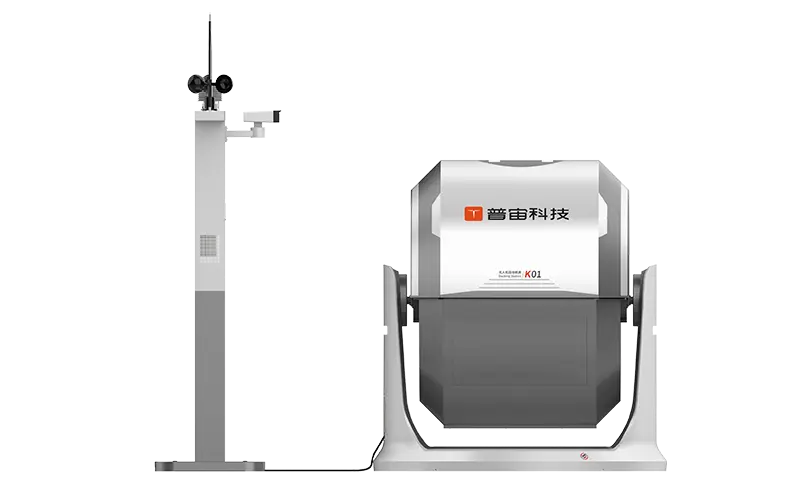 GDU
GDU
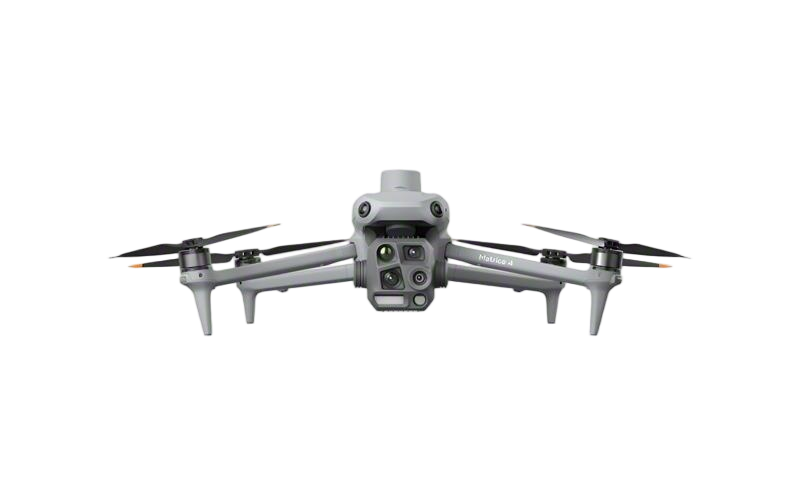 DJI
DJI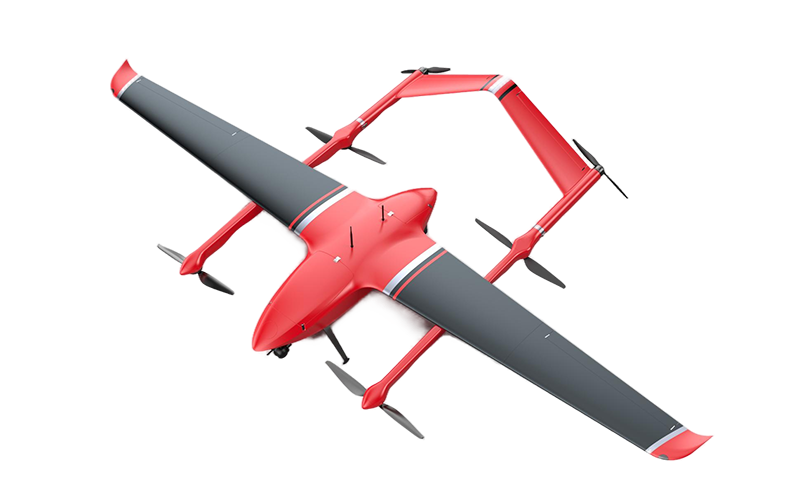 MMC
MMC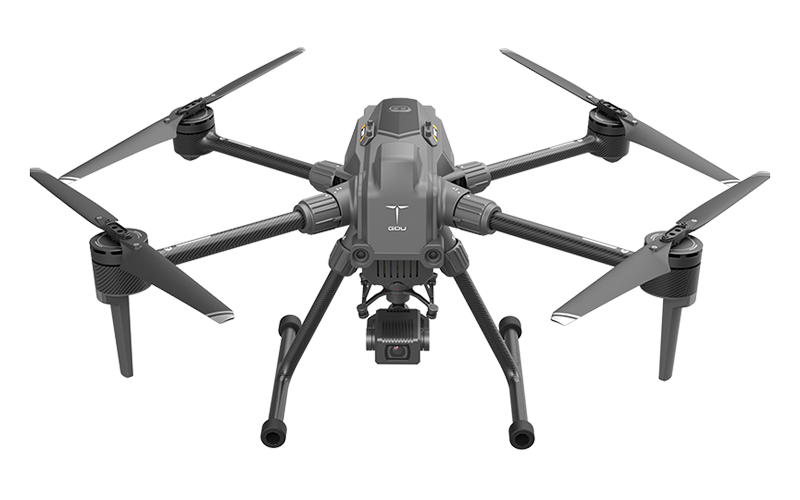 GDU
GDU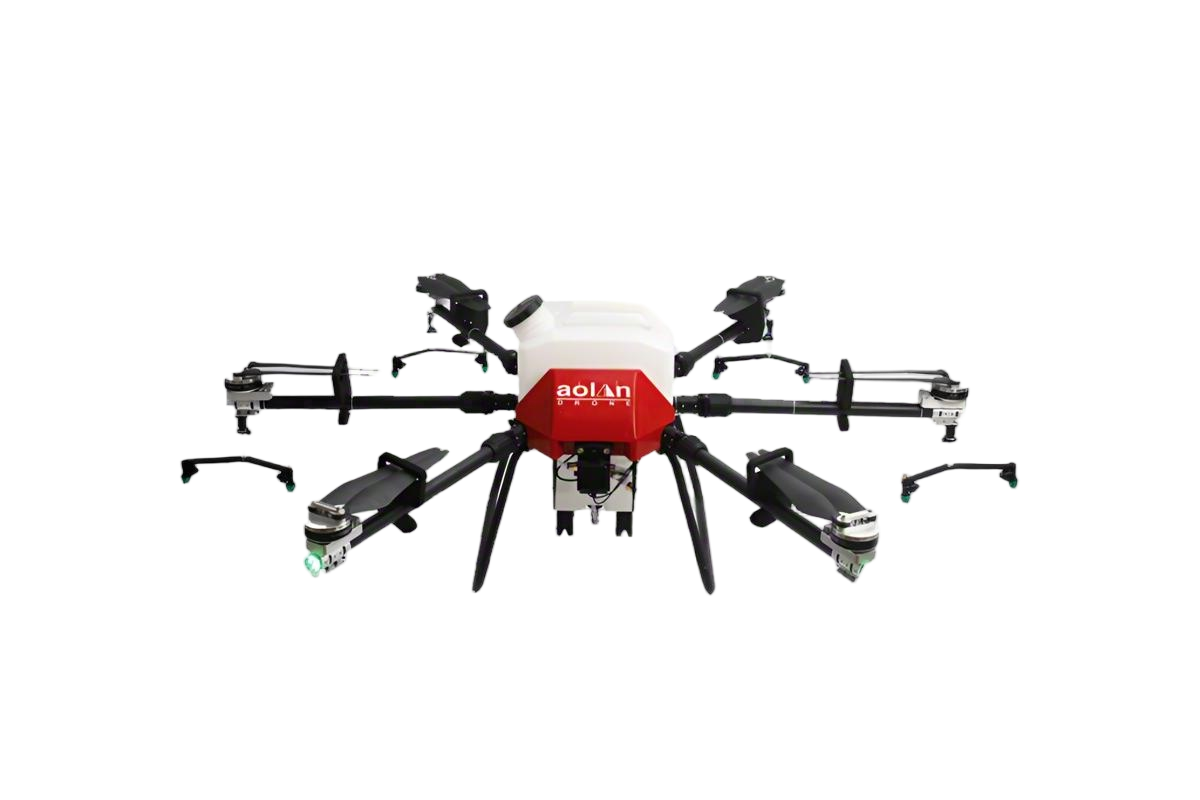 AOLAN
AOLAN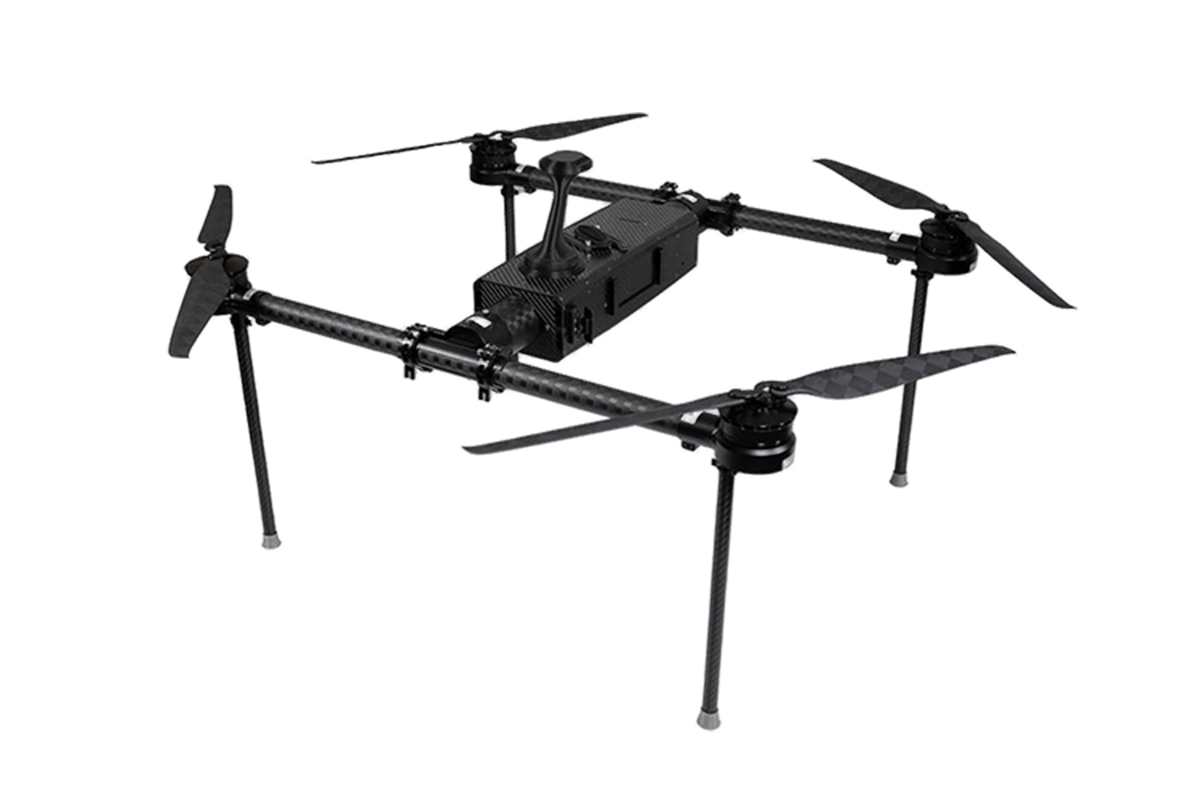 KEEL
KEEL SKY NEXT


