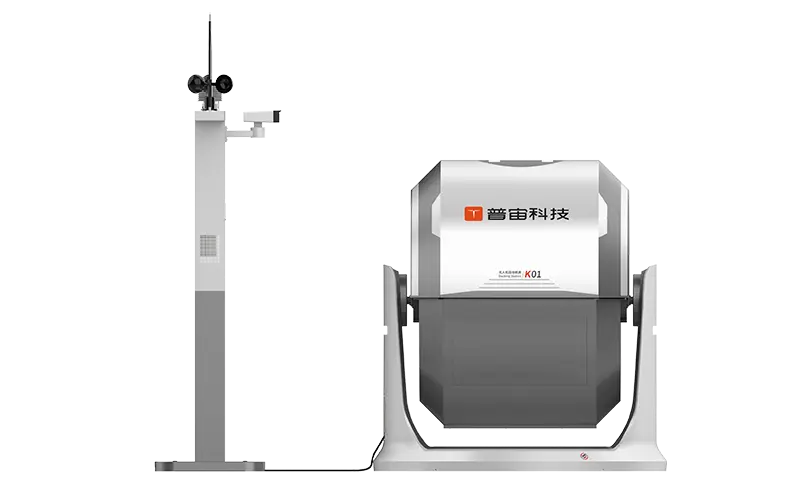
 GDU
GDU
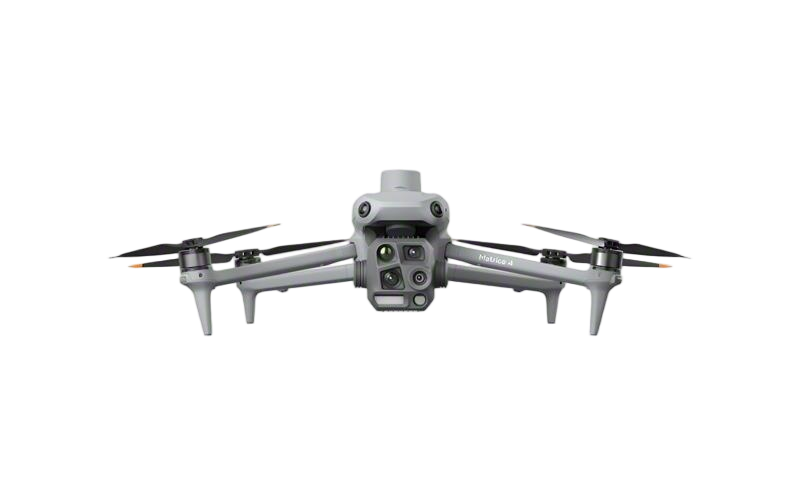 DJI
DJI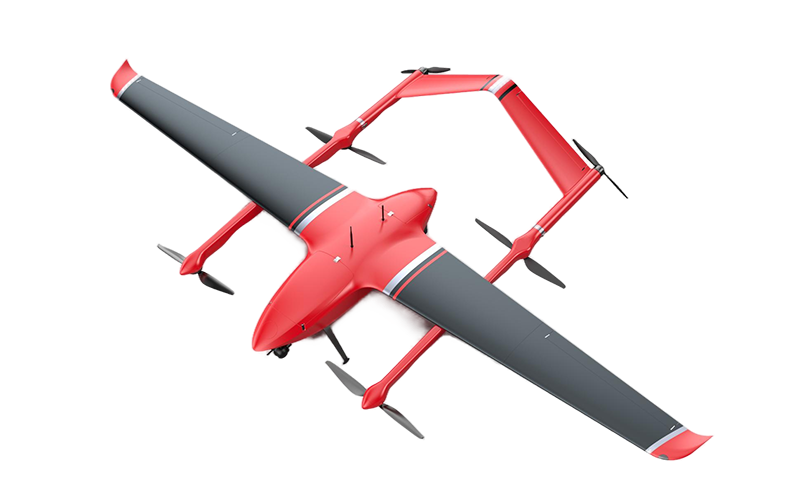 MMC
MMC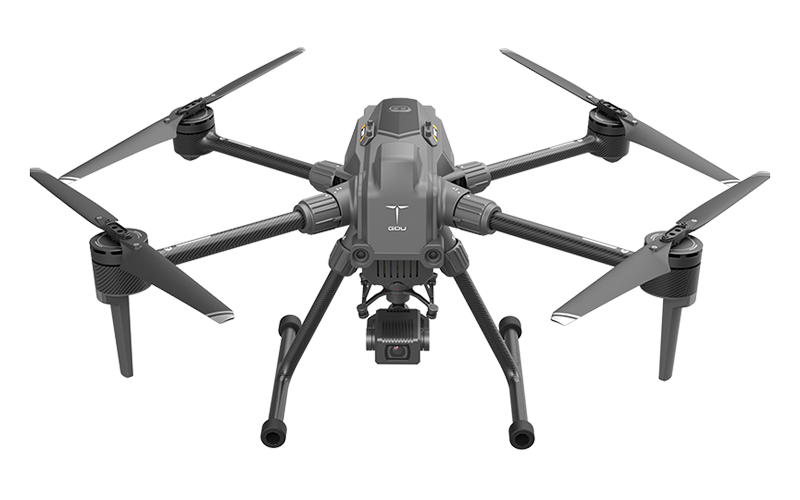 GDU
GDU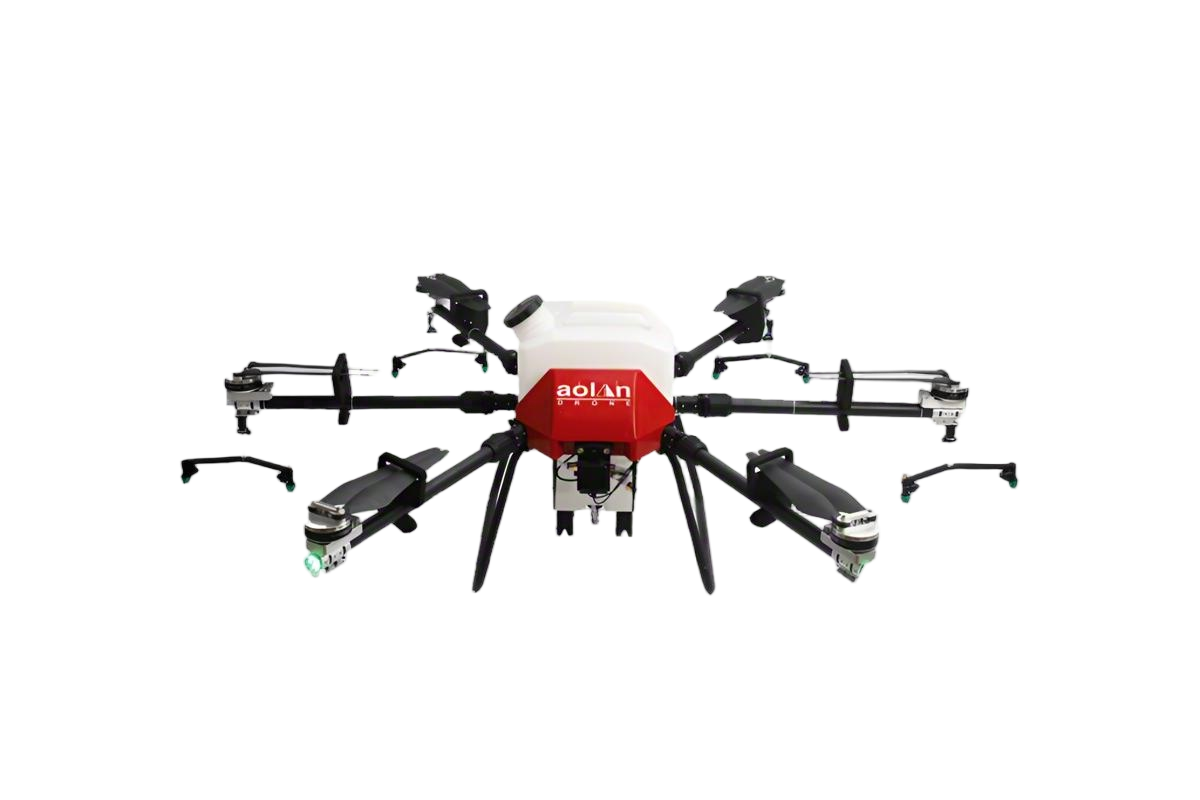 AOLAN
AOLAN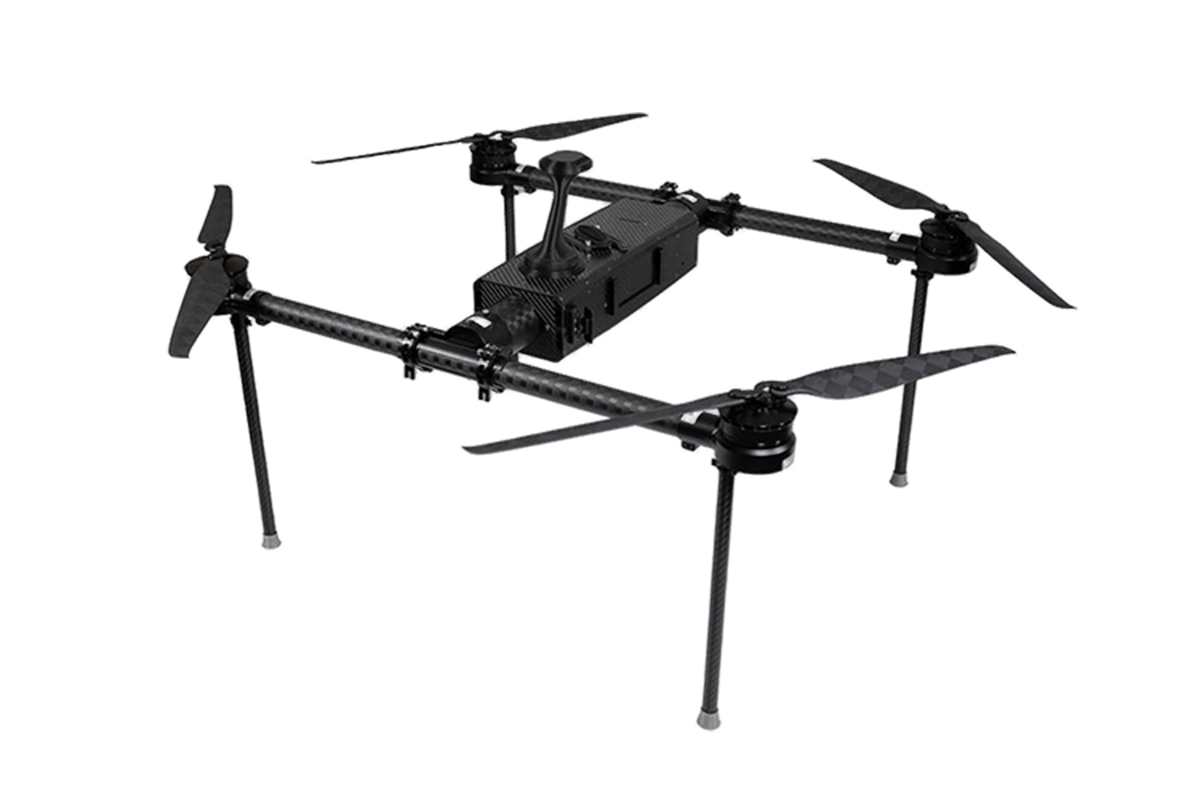 KEEL
KEEL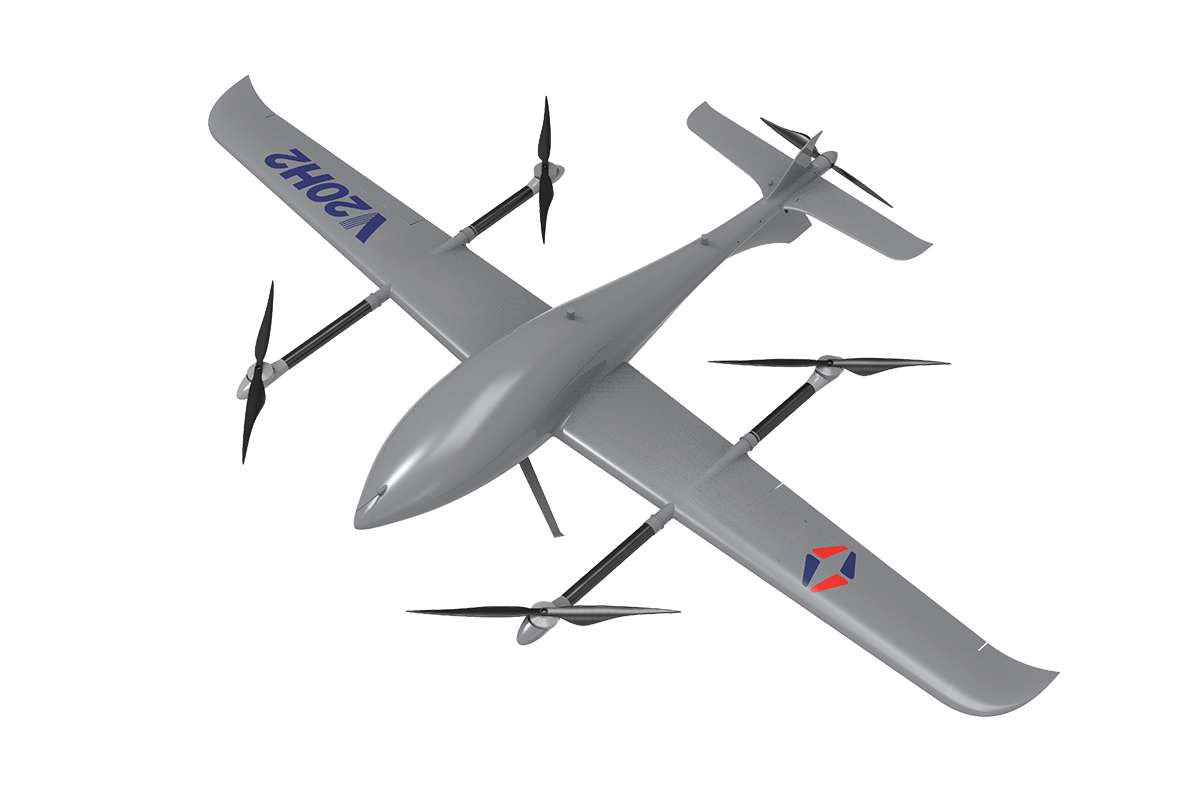 SKY NEXT
- DJI Matrice-4T
- DJI Matrice 4E Drone
- DJI Matrice 4TD
- DJI Matrice 30T
- DJI Mavic 3 Emterprise
- DJI Mavic 3M Multispectral Drone
- DJI RC 2 Plus Industry Plus
- DJI Matrice 4 Series Battery
- DJI Matrice 4D Series Batteries
- TB65 Intelligent Flight Battery
- TB100 Smart Flight Battery
- WB37 Battery
- DJI Accessories

Agri Drones have really shaken things up in the farming world. These smart gadgets are helping farmers be more efficient and keep a closer eye on their crops. I read somewhere that, according to MarketsandMarkets, the drone market for agriculture is on track to hit around $6.4 billion by 2026 — and it’s growing at a crazy 32.5% CAGR! That kind of growth just shows how much more farmers are turning to tech to get the job done.
I remember talking to Dr. Emily Roberts, a big name in the Agri Drones scene, and she said, “Drones aren’t just cool toys anymore; they’re absolutely essential for modern, smart farming.” It really hits home how these little devices are transforming the way farmers manage their fields. They can offer real-time data and insights, which means farmers can make smarter, faster decisions—pretty awesome.
That said, it’s not all smooth sailing. Getting started with Agri Drones means farmers need to get a handle on the tech itself and stay up-to-date with the rules and regulations around drone use. Some folks also find the upfront cost a bit daunting. As the industry keeps evolving, staying flexible and willing to learn will be key to really making the most of what Agri Drones have to offer in farming.

Understanding the Role of Drones in Smart Farming Strategies
Drones play a crucial role in modern smart farming strategies. They offer farmers a new way to monitor crop health and assess field conditions. Utilizing aerial imagery, drones can capture high-resolution images of crops. This data helps identify issues like pest infestations or nutrient deficiencies early on.
However, using drones is not without its challenges. Farmers need to be trained to operate them effectively. Misinterpretation of the data can lead to poor decision-making. Additionally, some areas may face restrictions on drone usage. Understanding local regulations is essential for successful implementation. While drones can provide valuable insights, they require careful management to maximize their benefits.
Incorporating drone technology can optimize farming practices. Analyzing data collected from drone flights can enhance resource efficiency. Yet, it is important to remember that drones are just one tool in the toolbox. They should complement traditional farming methods, not replace them entirely. Emphasizing a balanced approach to technology integration can lead to more sustainable outcomes.

Leveraging Precision Agriculture: Insights from Industry Reports on the Professional Agricultural Drone AL4-22 for Enhanced Crop Management
The application of precision agriculture technology has revolutionized the way farmers manage their crops, leading to enhanced productivity and resource efficiency. The professional agricultural drone AL4-22 exemplifies this transformation by delivering efficient, precise, and reliable crop spraying solutions. With its advanced capabilities, it allows for targeted application of nutrients and pesticides, ensuring minimal waste and maximizing crop health. This is particularly vital in today's agricultural landscape, where optimizing inputs is key to achieving sustainable farming practices.
Utilizing the insights gained from recent industry reports, it's clear that drones like the AL4-22 play a crucial role in modern crop management. By integrating data-driven strategies into daily farming operations, farmers can monitor crop conditions and respond swiftly to emerging challenges. The drone's precision spraying feature not only reduces the environmental impact of agricultural chemicals but also enhances the overall effectiveness of crop protection measures. As a result, farmers can expect higher yields and improved quality of produce, ultimately translating into better economic returns and a more sustainable farming approach.

FAQS
: The product aims to enhance user experience through innovative features and design.
Follow the provided user manual for setup. Ensure you understand each feature before use.
Yes, you can customize various settings. Check the settings menu for options.
Troubleshooting steps are included in the manual. If issues persist, consider contacting support.
Yes, a limited warranty usually covers defects. Review the warranty details for specific terms.
Use a soft, dry cloth for cleaning. Avoid harsh chemicals to protect the product's surface.
Certain accessories can enhance performance. Research options, but they are not mandatory.
You can often find a digital version online. Alternatively, ask customer support for help.
There are no strict limits, but consider breaks to maximize product lifespan and prevent issues.
Look for contact information on the official website. They typically offer email and chat support options.
Conclusion
Agri Drones have revolutionized smart farming by offering innovative solutions for monitoring crop health, optimizing resource use, and enhancing productivity. Understanding the role of drones in agricultural strategies is crucial for farmers aiming to adopt these technologies effectively. The key benefits of using Agri Drones include improved data collection for crop management, enhanced precision in applying inputs, and timely interventions, which ultimately lead to better yields.
When selecting the right drone model, it's important to consider essential features such as flight time, payload capacity, and sensor technology specific to precision agriculture applications. Best practices for operating Agri Drones, including safety measures and compliance with regulations, are vital to ensure successful use. Furthermore, integrating drone data with farm management software can provide actionable insights, paving the way for future advancements in agricultural drone technology and innovation. As the industry continues to evolve, staying informed about these trends will help farmers leverage Agri Drones to their fullest potential.
Related Posts
-

2026 Top Farming Drones What You Need to Know?
-

Top Benefits of Agriculture UAVs for Modern Farming Practices
-

How to Choose the Best Commercial UAV Solutions for Your Business Needs
-

How to Choose the Best Enterprise UAVs for Your Business Needs
-

Top 10 Benefits of Using Fertilizer Drones for Modern Agriculture
-

10 Expert Tips for Choosing the Best Professional Drones for Your Needs
