 GDU
GDU
 DJI
DJI MMC
MMC GDU
GDU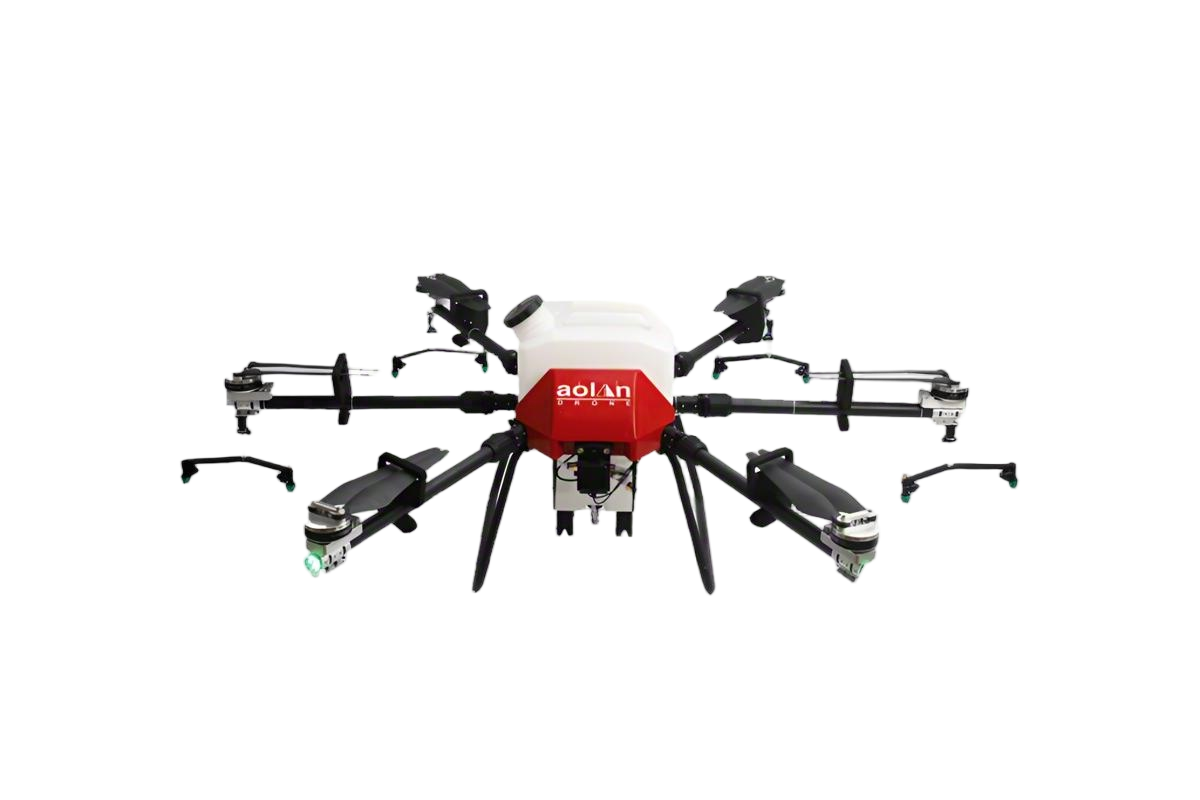 AOLAN
AOLAN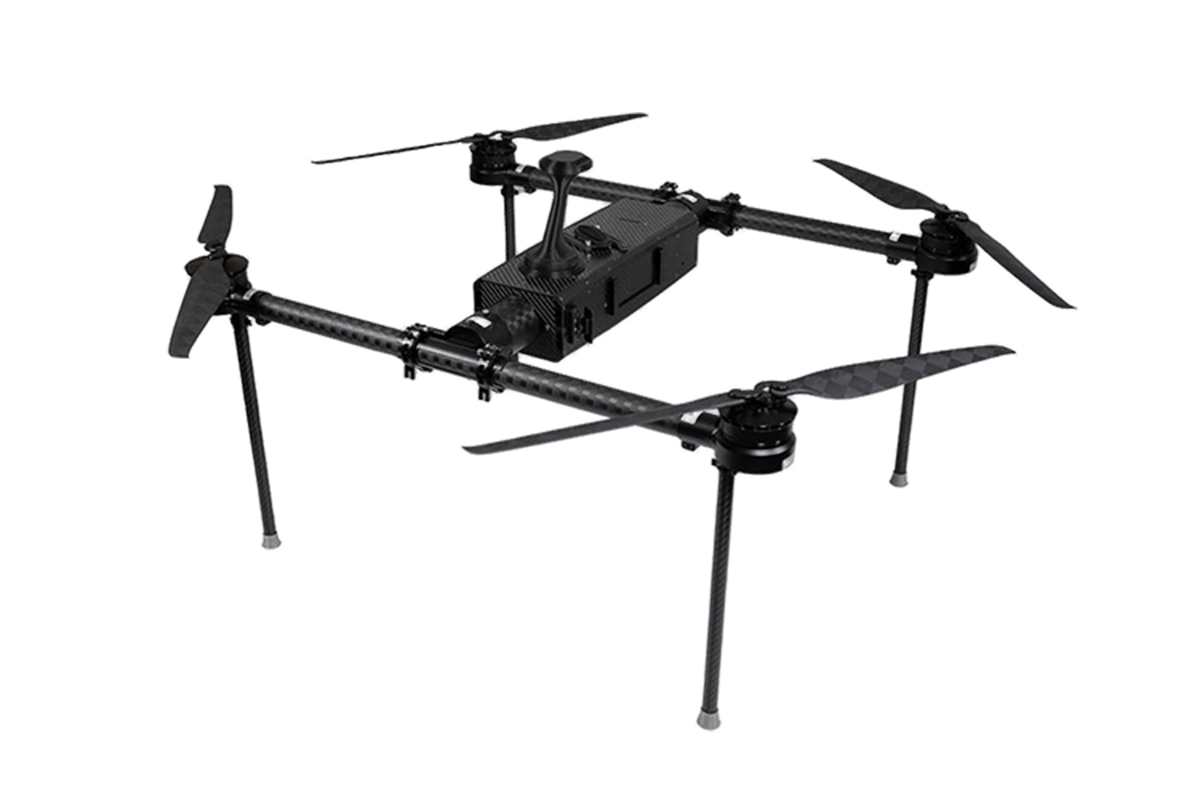 KEEL
KEEL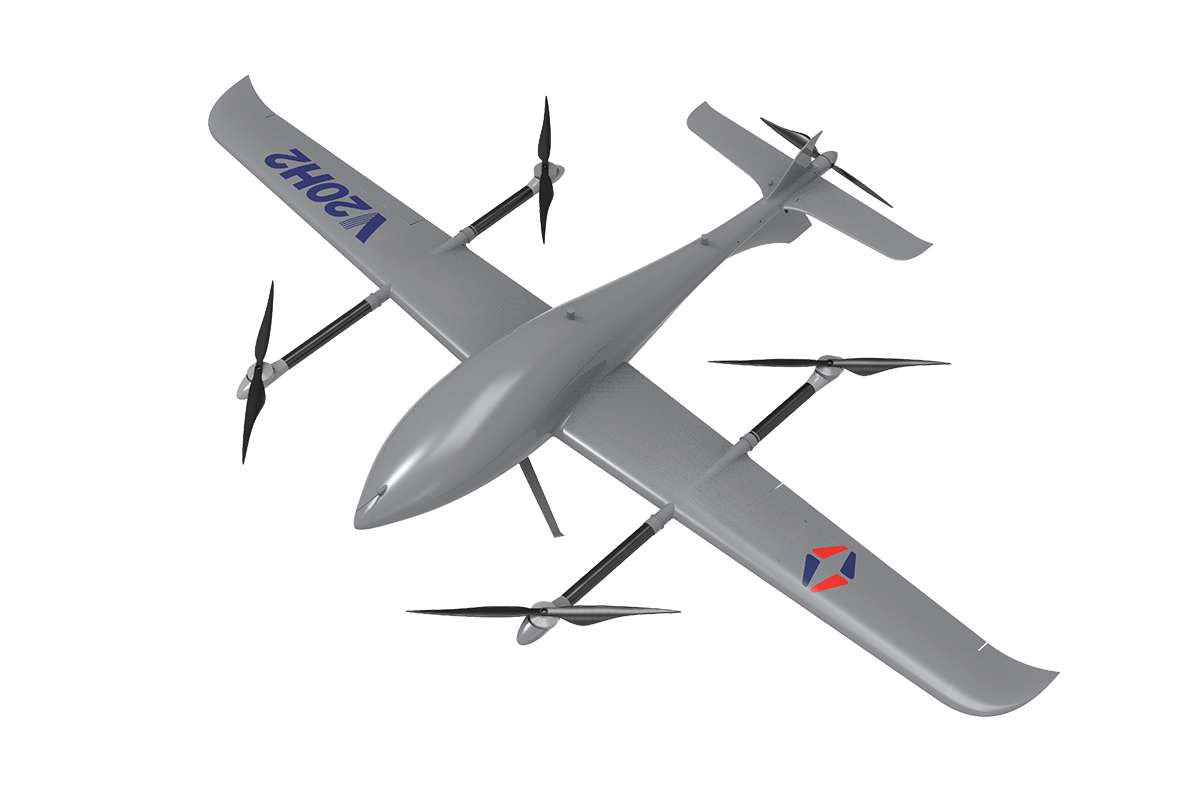 SKY NEXT
- DJI Matrice-4T
- DJI Matrice 4E Drone
- DJI Matrice 4TD
- DJI Matrice 30T
- DJI Mavic 3 Emterprise
- DJI Mavic 3M Multispectral Drone
- DJI RC 2 Plus Industry Plus
- DJI Matrice 4 Series Battery
- DJI Matrice 4D Series Batteries
- TB65 Intelligent Flight Battery
- TB100 Smart Flight Battery
- WB37 Battery
- DJI Accessories

As farming continues to evolve, you've probably heard about how farming drones are becoming pretty much essential for modern farmers. They're not just gadgets; they’re actual game-changers for things like keeping an eye on crops, analyzing soil, and practicing precision farming. Big names like DJI and Parrot are leading the charge, offering tech that really helps boost productivity.
Farmers can gather some seriously valuable data with these drones — spotting exactly where they need to put in effort or resources. But, honestly, the cost can be a real barrier, especially for small-scale farmers trying to keep things affordable. It’s definitely worth considering whether the benefits outweigh the investment, because not every farm is a perfect fit for this tech, which makes you wonder about how effective it really is for your specific situation.
Getting into farming drones means you’ve got to be a bit thoughtful. Knowing what your farm truly needs is key. Sure, these drones sound awesome for saving time and effort, but they also come with their own set of challenges. Farmers should really think about how to smoothly incorporate this new tech into what they already do — it’s about making it work for you, not just jumping on the bandwagon.

Overview of Farming Drones in 2026

Farming drones in 2026 are transforming agriculture. These advanced machines help farmers monitor crops, manage resources, and increase yields. They use sophisticated sensors and cameras. Farmers can get real-time data from their fields. This information helps in making informed decisions.
Tips: Regularly update drone software. This ensures optimal performance. Check local regulations. Compliance is crucial for operation. Also, consider the learning curve. Training may be necessary for effective use.
Drones can carry various payloads. They can spray fertilizers or pesticides. However, relying too much on automation can lead to oversight. Farmers might miss important visual cues in their fields. Technology is a tool, not a replacement for human insight. Balancing both is essential for success.

Maximizing Agricultural Efficiency with the Advanced Durable Alloy AL4-30 Sprayer Drone for Large-Scale Farming
The agricultural landscape is rapidly evolving with the introduction of advanced technologies aimed at enhancing efficiency and output. One of the significant innovations in this sector is the Professional Carbon Fiber AL4-30 Agriculture Sprayer Drone, designed specifically for large-scale farming. This state-of-the-art drone offers a sophisticated solution for smart farmland spraying and pest control, enabling farmers to maximize productivity while minimizing resource use.
The AL4-30 sprayer drone is equipped with durability and precision in mind, allowing for efficient spraying of fertilizers and pesticides across expansive fields. Its advanced alloy construction ensures that the drone can withstand the challenges of various environmental conditions while maintaining a lightweight profile. This combination of resilience and performance enables farmers to cover larger areas in shorter time frames, reducing labor costs and improving crop health through timely interventions.
Moreover, the integration of smart technologies within the AL4-30 drone enhances its operational capabilities. With features such as GPS-guided navigation and real-time monitoring systems, farmers can optimize their spraying patterns and ensure comprehensive coverage. This level of efficiency not only leads to better crop yields but also supports sustainable farming practices by minimizing chemical runoff and targeting application precisely where it is needed. The future of agriculture lies in these innovative tools that combine efficiency with environmental responsibility, transforming how farmers approach their vital work.

FAQS
: It can improve efficiency and enhance user experience. Many find it saves time during daily tasks.
It uses advanced technology to streamline processes. Users engage with an intuitive interface for ease of use.
Yes, most users find it accessible. However, younger users may need guidance initially.
Some features require internet access. Others can function without being online.
Users should check the FAQ section first. If problems persist, contact customer support for assistance.
Limited customization options exist. Tailoring features might be beneficial for specific user needs.
Transparency is key. Users should review all fees before committing to ensure understanding.
Uninstalling is usually straightforward. However, some users report needing extra steps depending on their device.
Sharing isn't always allowed. Review the terms to avoid any potential issues with terms of use.
Feedback varies. Some users appreciate the functions, while others suggest improvements for greater satisfaction.
Conclusion
In 2026, farming drones are set to revolutionize agricultural practices by incorporating advanced technologies and features that enhance efficiency and productivity. Key features to consider include improved sensors, real-time data analytics, and longer flight times, which enable farmers to monitor crop health and optimize resources effectively. Additionally, the integration of AI and automation is transforming how farming drones operate, allowing for automated crop assessments and targeted interventions.
Investing in farming drones comes with various cost considerations, but the long-term benefits often outweigh the initial expenses. Farmers need to be aware of regulatory frameworks that govern drone usage to ensure compliance while maximizing their utility. Lastly, future trends in farming drone technology suggest a move toward more autonomous systems and enhanced connectivity, paving the way for smarter, more sustainable farming practices.
Related Posts
-

Top Agri Drone Tips for Effective Smart Farming?
-

Top Benefits of Agriculture UAVs for Modern Farming Practices
-

10 Expert Tips for Choosing the Best Professional Drones for Your Needs
-

How to Choose the Best Commercial UAV Solutions for Your Business Needs
-

How to Choose the Best Enterprise UAVs for Your Business Needs
-

Top 10 Benefits of Using Fertilizer Drones for Modern Agriculture
