0%

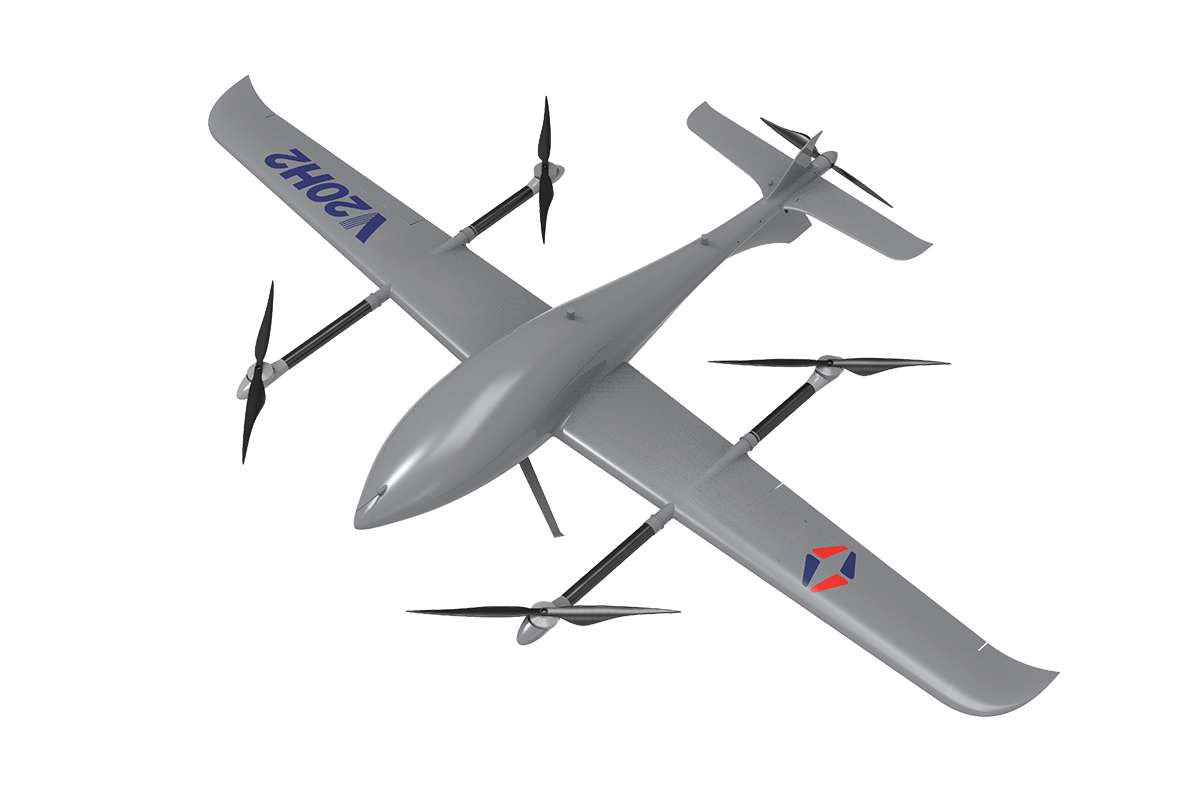
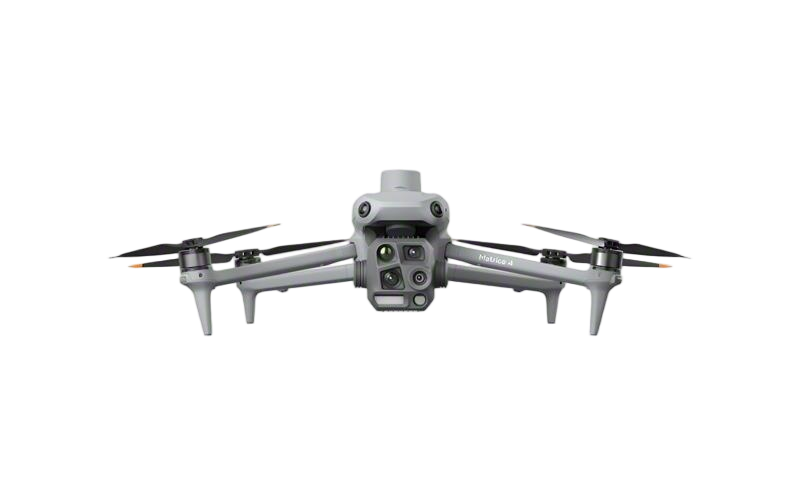
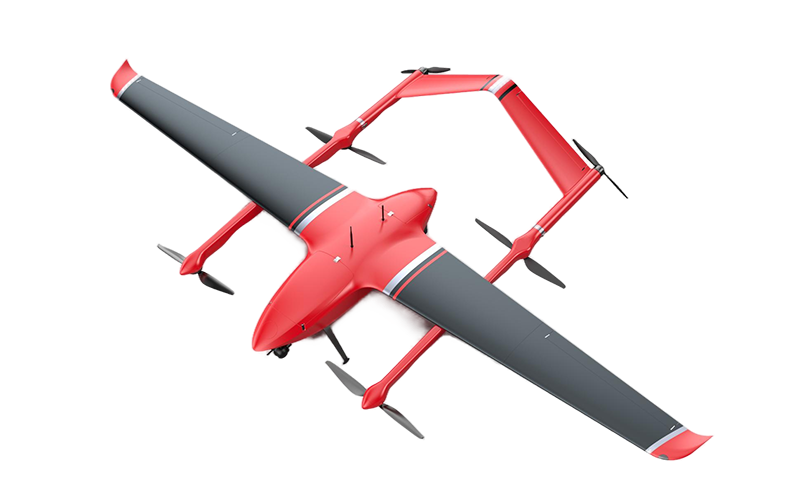
The agriculture world is really changing, thanks to the rise of UAV drones—those nifty little devices. They're actually making a big difference in farming practices all around the globe. Companies like PrecisionHawk and DJI are at the forefront of this shift, rolling out some pretty cool solutions for keeping an eye on crops and managing farms more effectively.

Come 2026, we're expecting these drones to become even smarter and more advanced. Farmers are genuinely excited about adopting this tech to help boost their yields. Plus, with real-time data at their fingertips, they can make more precise decisions on the spot. That said, plugging these gadgets into existing farm routines isn’t always a walk in the park—some farmers find the tech a bit intimidating, so adoption's happening at a slower pace than you might think.

But honestly, the potential here is huge. These drones could really ramp up efficiency and cut down on labor costs. Of course, there's still work to be done—things like making them easier to use and providing better training will be key to getting more farmers on board. Still, it's pretty exciting to think about how much more this technology could do in the future.

2026 Top Agriculture Uav Drone Trends and Innovations?

Emerging UAV Technologies Revolutionizing Agriculture by 2026

The agricultural landscape is set for a significant transformation by 2026. Emerging UAV technologies are at the forefront of this change. Drones equipped with advanced sensors will monitor crop health with precision. Farming practices will become more efficient, saving time and resources. For example, thermal imaging can identify plant stress before it becomes visible. This proactive approach enhances yields and reduces waste.

Moreover, AI-driven analytics will play a crucial role. Drones will gather data autonomously, analyzing it in real-time. Farmers will receive actionable insights right on their smartphones. What seems revolutionary might still face challenges in integration. Some workers may resist these new technologies, fearing job loss. Others may lack training in using these advanced tools effectively.

As agriculture continues to embrace UAV innovations, it's essential to address potential gaps. Ensuring equitable access to these technologies will be critical. Small farmers might struggle with costs or knowledge barriers. Collaboration within the agricultural community can bridge these divides. Ultimately, technology should empower all farmers, big or small, for a sustainable future.

Key Drivers of UAV Adoption in Agriculture: Market Trends and Statistics

The adoption of UAVs in agriculture is rapidly transforming the industry. In fact, according to a report by Research and Markets, the agricultural drone market is expected to grow by over 30% annually until 2026. Farmers increasingly see UAVs as essential tools for enhancing productivity and efficiency. These drones help in precision farming, allowing for detailed monitoring of crop health.

Key drivers include the rising demand for increased agricultural output and enhanced data collection methods. Around 70% of farmers believe drones improve crop management. However, the integration of UAVs also faces challenges. Issues like data security and regulatory compliance create hurdles for widespread adoption. Many farmers lack the technical understanding to fully utilize these devices.

Despite these concerns, UAVs offer tangible benefits. They provide real-time data that allows for better decision-making. Yet, reliance on technology may lead to over-dependence. Farmers must balance between traditional methods and modern innovations. The future is promising, but sustainable practices must be prioritized as the industry evolves.

Impact of Precision Agriculture on Crop Yields Using UAVs

2026 Top Agriculture Uav Drone Trends and Innovations?

Precision agriculture has revolutionized the farming landscape. Using UAVs (unmanned aerial vehicles), farmers can gather data swiftly and efficiently. These drones provide detailed aerial images and analytics that help in monitoring crop health. By detecting variations in crop conditions, drones assist farmers in making informed decisions.

Many farmers have observed increased crop yields thanks to UAV technology. However, not all methods yield the expected results. Some may struggle with data interpretation or drone operation. Effective application demands training and understanding of the technology. Missteps can lead to wasted resources or inaccurate assessments. Balancing innovation with traditional knowledge is crucial for success.

Farmers should continuously evaluate the effectiveness of UAVs. Are they truly enhancing productivity? Regular analysis will uncover areas for improvement. Embracing innovation is essential, yet reflection on outcomes remains invaluable. The integration of UAVs into farming is a journey, not a destination.

Regulatory Landscape for Agricultural UAVs: Compliance and Innovation

The regulatory landscape for agricultural UAVs is constantly evolving. Compliance is not just a formality; it ensures safety and sustainability in agriculture. Farmers are facing a patchwork of regulations, which can be overwhelming. Navigating these rules requires a deep understanding of local and national guidelines.


Innovations often collide with existing regulations. Drones equipped with advanced features may excel in precision farming. However, some of these innovations may not meet current regulatory standards. This gap can delay the adoption of beneficial technologies. Many operators find themselves in a dilemma: to comply or to innovate.


Stakeholder collaboration is essential for progress. Farmers, regulators, and technology developers must communicate more effectively. Feedback from ground-level users is invaluable. Yet, many regulations still feel detached from real-world applications. The path forward demands flexibility and willingness to adapt to new ideas. This includes reassessing outdated regulations to keep pace with rapid advancements.

Integration of AI and Machine Learning in Agricultural UAV Systems

The integration of AI and machine learning in agricultural UAV systems is transforming farming practices. Drones can now analyze vast fields in minutes. They capture high-resolution images and provide real-time data. This helps farmers make informed decisions about crop health and resource management.

AI algorithms process the data collected by UAVs. They identify patterns that might go unnoticed by human eyes. For example, subtle variations in plant color can indicate disease or nutrient deficiency. Farmers can act quickly to address these issues, potentially saving entire crops.

However, challenges remain. Many farmers may lack the technical expertise to utilize these technologies effectively. Additionally, the cost of advanced systems might be prohibitive for smaller farms. Training and support are crucial for successful implementation. Addressing these issues will be essential for maximizing the benefits of AI in agriculture.

Case Studies: Successful UAV Implementations in Modern Farming

In modern agriculture, UAVs are reshaping farming practices. Farmers are implementing drones to monitor crops, analyze soil, and even apply fertilizers. A case study from a mid-sized farm showed drones increasing crop yields by 20%. This was achieved through precise monitoring, which identified areas needing attention. However, not all farmers have seen this success. Some struggled with integrating drones into their existing systems.

Another example comes from a large wheat farm. They used drones for real-time data collection, significantly reducing labor costs. By mapping fields efficiently, they discovered unexpected irrigation issues. Still, the technology isn't without challenges. Many farmers face a learning curve with drone operation and data interpretation. Some reported that initial technical difficulties led to missed opportunities for timely interventions.

Drones have incredible potential but require thoughtful implementation. Not every farm benefits equally from this technology. Factors like farm size and crop type play crucial roles. Farmers must reflect on their unique contexts when adopting UAV innovations. As the agricultural landscape evolves, these reflections will be vital for future success.

Future Outlook: Predictions for UAV Drone Trends in Agriculture by 2026

By 2026, agricultural UAV drones will undergo significant advancements. Farmers will embrace precision agriculture more than ever. Drones will monitor crop health efficiently. They will utilize advanced sensors to provide real-time data. This will help in making informed decisions about irrigation and fertilization.


However, challenges remain. Not all farmers will have access to this technology. Training is crucial to ensure effective use. Data management will become increasingly complex. Farmers could struggle to interpret insights from the vast amount of data collected. Additional support systems will be necessary to bridge this gap.


Furthermore, sustainability will be a key focus. Eco-friendly drones will emerge, powered by solar energy. This change could reduce the environmental impact of farming. Yet, the cost of these drones may be a barrier for smaller farms. Balancing technological advancement with accessibility will be essential for success in agriculture by 2026.

Transforming Aerial Operations: The Mercury X30 Drone for Enhanced Logistics and Surveillance Solutions

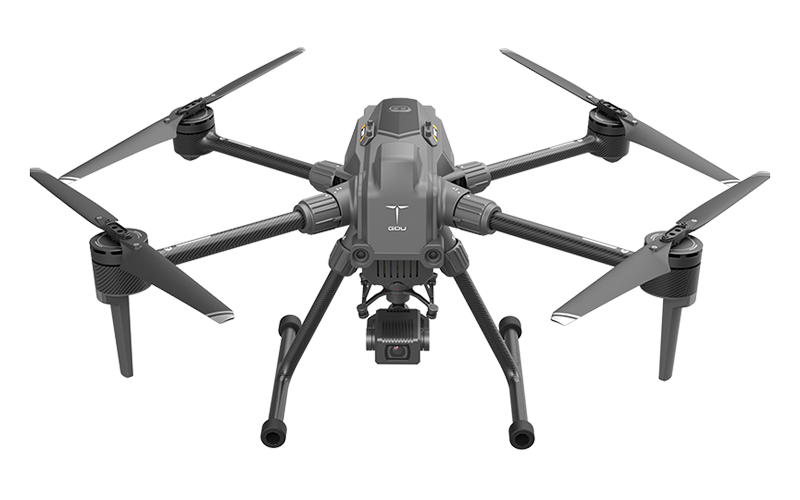
The Mercury X30 drone represents a significant advancement in aerial operations, particularly in logistics and surveillance capabilities. Engineered with reliability at its core, this unmanned aerial vehicle excels in transporting cargo efficiently, even in adverse conditions. Its robust design makes it ideal for mission-critical operations where seamless logistics are paramount. The drone's ability to navigate autonomously through GPS technology allows for precise movements, ensuring that cargo reaches its destination without delays.

In emergency situations, the Mercury X30 serves as a vital tool for rapid response efforts. Its capabilities extend beyond just logistics; the drone can assist in surveillance tasks, enhancing situational awareness in critical scenarios. By leveraging its advanced navigation systems and durable construction, the Mercury X30 is not only a reliable logistics partner but also an invaluable asset in emergency management. This dual functionality makes it an essential tool for organizations that demand efficient and effective aerial solutions in challenging environments.

FAQS

: What types of products are typically sold online?

: Many products are available, including electronics, clothing, and home goods. Options can vary significantly.

How can I ensure a safe online purchase?

Look for secure websites. Read reviews and check return policies before buying. Trust your instincts.

What should I do if my order is incorrect?

Contact customer service immediately. Provide order details. Keep proof of your purchase handy for reference.

Are there any shipping fees associated with online shopping?

Yes, often there are shipping fees. Some stores may offer free shipping on certain orders. It's essential to check.

Can I return products bought online?

Most stores allow returns. However, policies vary widely. Always read the return guidelines before purchasing.

How do I track my online order?

Most companies send a tracking link via email. You can also check your account on the seller's website.

Is it safe to use my credit card online?

While generally safe, risks do exist. Use secure sites and monitor statements for unauthorized transactions.

What if an item is out of stock?

You might receive a notification for restock. Alternatively, consider searching for similar items elsewhere.

Can I change my order after it's placed?

Changes may be possible, but not guaranteed. It depends on the seller's policy and timing of your request.

Why might I face delays in shipping?

Delays can happen due to high demand, weather, or shipping issues. Patience and understanding are important.

Conclusion

The article explores significant trends and innovations in Agriculture UAV Drones projected for 2026. It highlights emerging UAV technologies that are set to revolutionize agricultural practices, driven by key market trends and statistical insights. The integration of precision agriculture techniques utilizing UAVs is examined in relation to its impact on crop yields, emphasizing the transformational effects of these technologies.

Furthermore, the discussion encompasses the regulatory landscape that governs agricultural UAVs, focusing on compliance and the fostering of innovation within the sector. The infusion of AI and machine learning into UAV systems is also analyzed, showcasing how these advancements are enhancing farming efficiency. Through various case studies, successful applications of UAVs in modern agriculture are illustrated. The future outlook section offers predictions about UAV drone trends, signaling a promising evolution in agricultural practices by 2026.

Emily

Emily

Emily is a dynamic and skilled marketing professional with a deep understanding of UAV systems and their applications across various industries, including agriculture, energy, and smart cities. With a passion for integrated innovation, she plays a critical role in showcasing how her company builds......
Previous 2025 How to Use Inspection Drones for Efficient Building Maintenance